As a seasoned Pipe Fitting supplier with a deep - seated understanding of the industry, I often encounter inquiries about the suitability of pipe fittings in a marine environment. This blog aims to comprehensively explore this topic, providing you with the knowledge you need to make informed decisions.
The Harsh Realities of the Marine Environment
The marine environment presents a unique set of challenges for pipe fittings. First and foremost, there is the issue of corrosion. Saltwater is a highly corrosive medium. The dissolved salts, especially sodium chloride, react with metals, initiating a chemical process that can gradually eat away at the material of the pipe fittings. Over time, this corrosion can weaken the structural integrity of the fittings, leading to leaks, rupture, or failures in the piping system.
In addition to corrosion, the marine environment is subject to extreme temperature variations. During the day, the sun can heat the pipes and fittings to high temperatures, while at night, or in the cooler depths of the ocean, the temperature can drop significantly. These thermal fluctuations cause the materials to expand and contract, putting stress on the pipe fittings. If the fittings are not designed to withstand these forces, they may crack or loosen.
Mechanical stress is another factor. In a marine setting, waves, currents, and ship movements can subject the piping systems to vibrations and impacts. This requires pipe fittings that are robust enough to withstand these physical forces without damage.
Types of Pipe Fittings and Their Suitability
Stainless Steel Fittings
Stainless steel is a popular choice for marine applications due to its excellent corrosion resistance. It contains chromium, which forms a passive oxide layer on the surface. This layer acts as a barrier, preventing the underlying metal from coming into contact with the corrosive saltwater. Different grades of stainless steel are available, with some being more suitable for marine use than others. For example, 316 stainless steel, also known as marine - grade stainless steel, contains molybdenum, which further enhances its corrosion resistance, especially in chloride - rich environments.
However, even stainless steel is not completely immune to corrosion. Crevice corrosion can occur in areas where there are small gaps or spaces, such as between flanges or at threaded connections. To mitigate this risk, proper installation techniques and regular maintenance are essential.
Copper - Nickel Fittings
Copper - nickel alloys are also commonly used in marine piping systems. These alloys offer a good balance of corrosion resistance, strength, and formability. They are particularly resistant to biofouling, the growth of organisms such as barnacles and algae on the pipe surfaces. Biofouling can impede the flow of fluids through the pipes and cause additional corrosion issues. The self - polishing nature of copper - nickel alloys helps to reduce biofouling and maintain the efficiency of the piping system.
Plastic Fittings
Plastic pipe fittings, such as those made of PVC (polyvinyl chloride) or HDPE (high - density polyethylene), have gained popularity in some marine applications. They are lightweight, inexpensive, and resistant to corrosion. However, they have limitations. They may not be suitable for high - pressure applications or for use in areas where they are exposed to direct sunlight for long periods, as UV radiation can degrade the plastic over time.
Specialized Pipe Fittings for Marine Use
In addition to the standard types of pipe fittings, there are specialized fittings designed specifically for the marine environment.
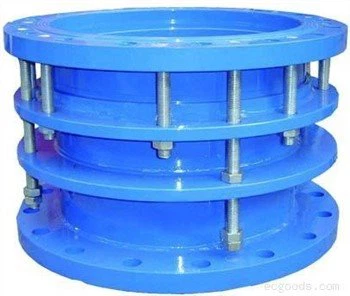
Flange Pipe Expansion Joint
Flange pipe expansion joints are crucial in marine piping systems. They are designed to absorb the thermal expansion and contraction of the pipes, as well as any movement caused by vibrations or ship motions. These joints typically consist of a flexible bellows made of metal or rubber, which is connected to the pipes using flanges. The bellows can expand or contract to accommodate changes in length, reducing the stress on the pipes and fittings.
Double Flange Expansion Joint
Double flange expansion joints are an enhanced version of the standard expansion joints. They offer more stability and better control over the movement of the pipes. With two flanges on either side, they can better withstand the forces exerted in a marine environment, making them ideal for large - scale marine piping systems.
Installation and Maintenance Practices
Proper installation is key to ensuring the performance of pipe fittings in a marine environment. Installers should follow the manufacturer's guidelines carefully. This includes proper alignment of the fittings, ensuring that all connections are tight, and using appropriate gaskets and sealants to prevent leaks.
Regular maintenance is also essential. Inspections should be carried out periodically to check for signs of corrosion, damage, or wear. Any corroded or damaged fittings should be replaced immediately to prevent further problems. Maintenance may also include cleaning the pipes and fittings to remove salt deposits and biofouling.
Ensuring Compliance with Standards
In the marine industry, there are strict standards and regulations governing the use of pipe fittings. These standards ensure the safety and reliability of the piping systems on ships and offshore platforms. As a Pipe Fitting supplier, we are committed to providing products that comply with these standards. All our fittings are tested and certified to meet the requirements of relevant international standards, such as ISO and ASTM.
Why Choose Our Pipe Fittings?
Our company has been in the business of supplying high - quality pipe fittings for many years. We understand the unique challenges of the marine environment and have developed a range of products that are specifically designed to meet these challenges. Our fittings are made from the best - in - class materials, and we use advanced manufacturing processes to ensure their durability and performance.
We also offer excellent customer service. Our team of experts is always on hand to provide technical advice and support. Whether you are designing a new marine piping system or need to replace existing fittings, we can help you select the right products for your needs.


Contact Us for Your Marine Pipe Fitting Needs
If you are in the market for pipe fittings for your marine applications, we invite you to get in touch with us. Our knowledgeable sales team is ready to discuss your requirements and provide you with a customized solution. We can offer competitive pricing, fast delivery, and the highest level of quality. Don't hesitate to reach out to start the procurement and negotiation process.
References
- ASM Handbook Committee. "Corrosion." ASM International, 1996.
- Marine Engineering Manual. Various maritime publishers.
- Standards for Marine Piping Systems. ISO and ASTM publications.