Hey there! As a supplier of rubber elbows, I've seen firsthand how these nifty little components can make a huge difference in various applications. In this blog, I'm gonna break down the advantages of using a rubber elbow, so you can see why it's a smart choice for your projects.
Flexibility and Movement Absorption
One of the biggest perks of rubber elbows is their flexibility. Unlike rigid metal elbows, rubber elbows can bend and flex without cracking or breaking. This makes them ideal for applications where there's a lot of movement or vibration. For example, in piping systems that carry hot or cold fluids, the pipes can expand and contract due to temperature changes. A rubber elbow can absorb this movement, preventing stress on the pipes and fittings. This not only extends the lifespan of the system but also reduces the risk of leaks and failures.
Another area where the flexibility of rubber elbows shines is in HVAC systems. In these systems, the ducts need to maneuver around various obstacles and bends. A rubber elbow can easily accommodate these twists and turns, making the installation process much easier. It also helps to reduce noise and vibration, creating a more comfortable environment.
Noise and Vibration Damping
Have you ever been in a building where the pipes or machinery are so noisy that it's hard to concentrate? That's where rubber elbows come in. Rubber is a natural shock absorber, which means it can reduce noise and vibration. When installed in a piping or machinery system, a rubber elbow can dampen the sound waves and vibrations generated by the flow of fluids or the operation of the equipment.


This is particularly important in residential and commercial buildings, where noise can be a major nuisance. By using rubber elbows, you can create a quieter, more peaceful environment. It can also improve the performance and efficiency of the system by reducing the wear and tear caused by vibration.
Corrosion Resistance
If you're dealing with corrosive fluids or harsh chemicals, you need a piping system that can stand up to the challenge. That's where rubber elbows really excel. Rubber is highly resistant to corrosion, which means it won't rust or deteriorate over time. This makes it ideal for use in industries such as chemical processing, wastewater treatment, and food and beverage production.
In addition to its corrosion resistance, rubber is also resistant to abrasion. This means it can withstand the wear and tear caused by the flow of abrasive materials, such as sand, gravel, or slurry. So, whether you're transporting corrosive chemicals or abrasive solids, a rubber elbow can provide a reliable and long-lasting solution.
Easy Installation and Maintenance
Another great advantage of rubber elbows is that they're easy to install and maintain. Unlike metal elbows, which often require specialized tools and welding, rubber elbows can be easily connected to the pipes using clamps or flanges. This makes the installation process faster and more cost-effective.
When it comes to maintenance, rubber elbows are also a breeze. They don't require any special treatment or coatings to protect them from corrosion or wear. And if a rubber elbow does get damaged, it can usually be easily replaced without having to replace the entire piping system.
Cost-Effectiveness
Last but not least, rubber elbows are a cost-effective solution for many applications. They're generally less expensive than metal elbows, especially when you consider the cost of installation and maintenance. And because they have a long lifespan, you won't have to replace them as often, which can save you money in the long run.
In addition to their lower cost, rubber elbows can also help you save money on energy costs. By reducing noise and vibration, they can improve the efficiency of the system, which can lead to lower energy consumption. And because they're flexible, they can help to reduce stress on the pipes and fittings, which can also extend the lifespan of the system and reduce the need for costly repairs.
Related Products
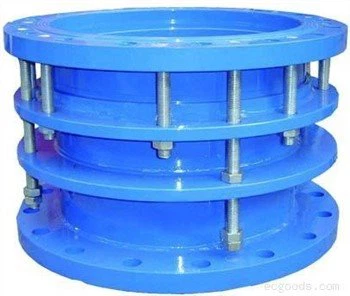
If you're interested in other types of pipe fittings, you might want to check out our Flange Pipe Expansion Joint and Double Flange Expansion Joint. These products offer similar advantages to rubber elbows, such as flexibility, movement absorption, and corrosion resistance.
Conclusion
So, there you have it - the advantages of using a rubber elbow. From its flexibility and movement absorption to its noise and vibration damping, corrosion resistance, easy installation and maintenance, and cost-effectiveness, a rubber elbow is a smart choice for a wide range of applications.
If you're interested in learning more about our rubber elbows or other pipe fittings, or if you have any questions or need help with a specific project, feel free to get in touch. I'd be more than happy to discuss your needs and find the right solution for you. Let's work together to make your project a success!
References
- Pipe Fittings Handbook: An In - Depth Guide to Types and Applications
- Rubber and its Applications in Industrial Piping Systems