Hey there! As a supplier of Y strainers, I often get asked if there are any special installation requirements for these handy devices. Well, let's dive right in and explore this topic in detail.
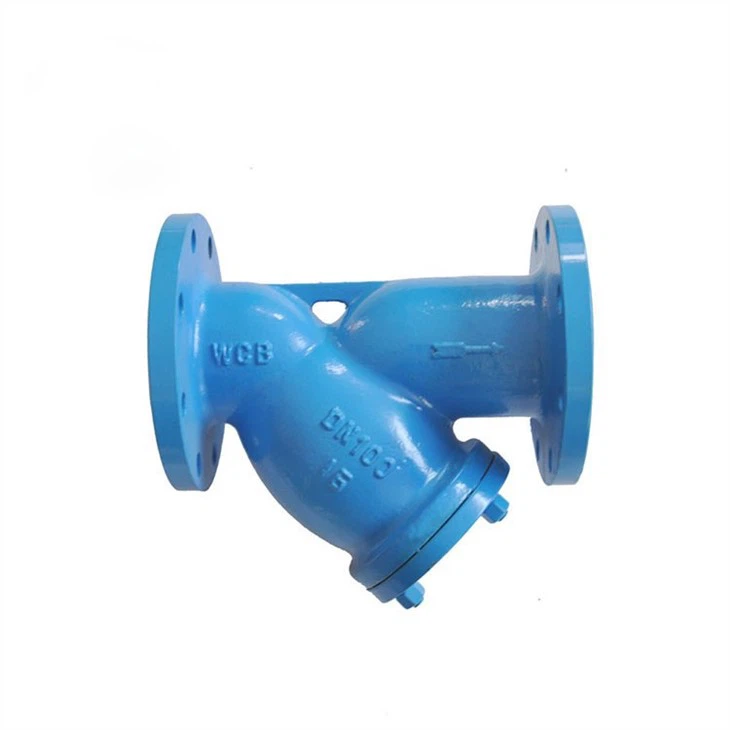
First off, let's understand what a Y strainer is. A Y strainer is a type of filter that is used to remove solid particles from a liquid or gas flow. It's called a Y strainer because of its shape, which resembles the letter "Y". These strainers are commonly used in a variety of industries, including oil and gas, water treatment, and chemical processing.
Now, let's talk about the installation requirements. The good news is that installing a Y strainer is generally a straightforward process. However, there are a few things you need to keep in mind to ensure that it works effectively and safely.
Location, Location, Location
The first thing you need to consider is the location of the Y strainer. It should be installed in a place where it's easily accessible for maintenance and cleaning. You don't want to install it in a hard-to-reach area where it'll be a pain to get to when you need to clean the screen.
Also, make sure to install the Y strainer in a horizontal or vertical pipe. If you're installing it in a horizontal pipe, the screen should be facing downwards. This helps to ensure that any debris that gets caught in the screen will fall to the bottom of the strainer, making it easier to remove.

Piping Considerations
When it comes to piping, there are a few things to keep in mind. First, make sure that the pipe size matches the size of the Y strainer. Using a mismatched pipe size can lead to reduced flow rates and inefficient operation.
You'll also want to ensure that the piping is properly supported. This helps to prevent any stress on the Y strainer, which could cause it to leak or fail. Use pipe supports or hangers to secure the piping in place.
Pressure and Temperature
Another important factor to consider is the pressure and temperature of the system. Y strainers are designed to operate within specific pressure and temperature ranges. Make sure to choose a Y strainer that is rated for the pressure and temperature of your system.
If the pressure or temperature exceeds the rated capacity of the Y strainer, it could cause damage to the strainer or affect its performance. So, always double-check the specifications before making a purchase.
Alignment
Proper alignment is crucial when installing a Y strainer. Make sure that the strainer is aligned correctly with the piping. Misalignment can cause leaks and reduce the efficiency of the strainer.
Use a level to ensure that the strainer is installed straight. This will help to ensure that the flow of the liquid or gas through the strainer is smooth and unrestricted.
Types of Y Strainers and Their Installation
There are different types of Y strainers available, such as the PN16 Y Type Filter, Ductile Cast Iron Y Type Filter Valve Y Type Flange Water Strainer, and Cast Iron Y Strainer. Each type may have slightly different installation requirements.
For example, the material of the strainer can affect its installation. Cast iron strainers are more brittle compared to ductile cast iron strainers, so you need to be more careful when handling and installing them to avoid cracking.
Maintenance After Installation
Once the Y strainer is installed, regular maintenance is essential. You'll need to clean the screen periodically to remove any debris that has accumulated. The frequency of cleaning depends on the amount of debris in the system.
If you notice a decrease in flow rate or an increase in pressure drop across the strainer, it's a sign that the screen needs to be cleaned. Cleaning the screen is usually a simple process. You just need to remove the plug or cover at the bottom of the strainer and take out the screen. Then, you can clean it with water or a suitable cleaning agent.
Conclusion
In conclusion, while there aren't any overly complicated installation requirements for a Y strainer, it's important to pay attention to the details. Proper location, piping, pressure and temperature considerations, alignment, and maintenance are all key factors in ensuring the effective operation of your Y strainer.
If you're in the market for a Y strainer, we've got a great selection of high-quality products, including the ones I mentioned earlier. Whether you need a PN16 Y Type Filter, Ductile Cast Iron Y Type Filter Valve Y Type Flange Water Strainer, or Cast Iron Y Strainer, we can provide you with the right solution for your needs.
If you have any questions or want to discuss your specific requirements, don't hesitate to reach out. We're here to help you make the best choice for your system. Contact us today to start the procurement process and get your hands on a top-notch Y strainer!
References
- "Industrial Piping Handbook"
- Manufacturer's manuals for Y strainers