Can a Bellows Gate Valve be used in cryogenic applications?
As a supplier of bellows gate valves, I am frequently asked whether these valves are suitable for cryogenic applications. Cryogenic applications involve extremely low temperatures, typically below -150°C (-238°F), and present unique challenges that require specialized equipment. In this blog post, I will explore the capabilities of bellows gate valves in cryogenic environments, discuss their advantages and limitations, and provide insights into when they are a viable option.
Understanding Cryogenic Applications
Cryogenic applications are widespread in various industries, including aerospace, healthcare, energy, and research. Some common examples include liquefied natural gas (LNG) storage and transportation, liquid oxygen and nitrogen production, and superconducting magnet cooling. These applications demand valves that can operate reliably at extremely low temperatures, maintain a tight seal, and resist the effects of thermal contraction and expansion.
How Bellows Gate Valves Work
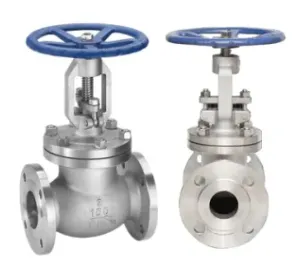
Before delving into their suitability for cryogenic applications, it's essential to understand how bellows gate valves function. A bellows gate valve consists of a gate, which is a flat or wedge-shaped disc, and a bellows assembly. The gate moves up and down to open or close the valve, while the bellows provides a flexible, leak-tight seal between the stem and the valve body. This design prevents external leakage and protects the valve stem from corrosion and contamination.
Advantages of Bellows Gate Valves in Cryogenic Applications
- Leakage Prevention: One of the primary advantages of bellows gate valves in cryogenic applications is their ability to prevent leakage. The bellows provides a secondary seal, which reduces the risk of fugitive emissions. This is crucial in cryogenic systems, where even small leaks can lead to significant losses of cryogenic fluids and pose safety hazards.
- Thermal Expansion and Contraction: Cryogenic temperatures cause materials to contract, which can lead to leakage if the valve is not designed to accommodate these changes. Bellows gate valves are designed to flex and expand with the valve stem, compensating for thermal contraction and ensuring a tight seal at all times.
- Corrosion Resistance: Cryogenic fluids can be highly corrosive, especially when they come into contact with moisture or other contaminants. The bellows in a bellows gate valve acts as a barrier, protecting the valve stem from corrosion and extending the valve's service life.
- Low Torque Operation: Bellows gate valves typically require less torque to operate compared to other types of valves, such as ball valves or globe valves. This makes them easier to automate and reduces the risk of valve damage during operation.
Limitations of Bellows Gate Valves in Cryogenic Applications
- Cost: Bellows gate valves are generally more expensive than traditional gate valves due to their complex design and the use of specialized materials. This can make them a less attractive option for some applications, especially those with budget constraints.
- Limited Flow Capacity: The design of bellows gate valves can restrict the flow of fluid through the valve, resulting in a lower flow capacity compared to other types of valves. This may not be suitable for applications that require high flow rates.
- Bellows Fatigue: Over time, the bellows in a bellows gate valve can experience fatigue due to repeated flexing. This can lead to bellows failure and potential leakage. Regular maintenance and inspection are required to ensure the integrity of the bellows.
Considerations for Using Bellows Gate Valves in Cryogenic Applications
When considering the use of bellows gate valves in cryogenic applications, several factors should be taken into account:
- Material Selection: The materials used in the valve construction must be compatible with cryogenic temperatures and the specific cryogenic fluid being handled. Common materials for cryogenic applications include stainless steel, nickel alloys, and titanium.
- Design and Manufacturing Standards: The valve should be designed and manufactured to meet relevant industry standards, such as ASME B16.34, API 600, or ISO 15848. These standards ensure the valve's performance, reliability, and safety in cryogenic applications.
- Testing and Certification: The valve should undergo rigorous testing and certification to ensure its performance at cryogenic temperatures. This may include cryogenic cycling tests, leakage tests, and material compatibility tests.
- System Requirements: The valve's size, pressure rating, and flow capacity should be carefully selected to meet the specific requirements of the cryogenic system. It's also important to consider the valve's operating conditions, such as temperature, pressure, and flow rate.
Conclusion
In conclusion, bellows gate valves can be used in cryogenic applications, but their suitability depends on several factors. They offer significant advantages in terms of leakage prevention, thermal expansion compensation, and corrosion resistance. However, they also have some limitations, such as higher cost and limited flow capacity. When selecting a bellows gate valve for a cryogenic application, it's essential to carefully consider the valve's design, materials, testing, and system requirements.
If you are interested in exploring our range of bellows gate valves for cryogenic applications, or other types of gate valves like Rubber Seat Gate Valve, Ductile Cast Iron DN50 - 200 Groove Type Rising Stem Wedge Gate Valve For Fire Fighting, and Cast Iron F4 Resilient Seated Gate Valve, please feel free to contact us for a detailed discussion and to initiate a procurement negotiation.


References
- ASME B16.34 - Valves - Flanged, Threaded, and Welded End
- API 600 - Steel Gate Valves - Flanged and Butt-Welding Ends
- ISO 15848 - Industrial valves - Measurement, test and qualification procedures for fugitive emissions