Can a bronze butterfly valve be used in cement plants?

As a dedicated supplier of bronze butterfly valves, I often encounter inquiries from customers in various industries, including the cement sector. The question of whether a bronze butterfly valve can be used in cement plants is a valid one, considering the unique operating conditions and requirements of this industry. In this blog post, I will delve into the suitability of bronze butterfly valves for cement plants, exploring their advantages, limitations, and key considerations.
Understanding the Cement Plant Environment
Cement plants are characterized by harsh operating conditions, including high temperatures, abrasive materials, and corrosive substances. The production process involves the handling of raw materials such as limestone, clay, and gypsum, which are ground into a fine powder and then heated in a kiln to produce clinker. The clinker is then mixed with other materials to form cement. Throughout this process, valves play a crucial role in controlling the flow of materials, gases, and liquids.
Advantages of Bronze Butterfly Valves in Cement Plants
- Corrosion Resistance: Bronze is an alloy composed primarily of copper and tin, with small amounts of other elements such as zinc, lead, and nickel. This composition gives bronze excellent corrosion resistance, making it suitable for use in environments where exposure to moisture, chemicals, and abrasive materials is common. In cement plants, bronze butterfly valves can withstand the corrosive effects of acidic gases, such as sulfur dioxide and nitrogen oxides, which are produced during the combustion of fossil fuels in the kiln.
- Abrasion Resistance: The abrasive nature of cement and its raw materials can cause significant wear and tear on valves. Bronze butterfly valves are designed with a smooth, polished surface that reduces friction and minimizes the risk of abrasion. Additionally, the hardness of bronze makes it more resistant to wear than other materials, such as cast iron or carbon steel. This ensures that the valves maintain their performance and integrity over an extended period, reducing the need for frequent maintenance and replacement.
- Low Friction: The design of a butterfly valve allows for a low-pressure drop across the valve, which means that less energy is required to operate the valve. This is particularly important in cement plants, where energy efficiency is a key consideration. Bronze butterfly valves have a low coefficient of friction, which further reduces the energy consumption and operating costs of the valve.
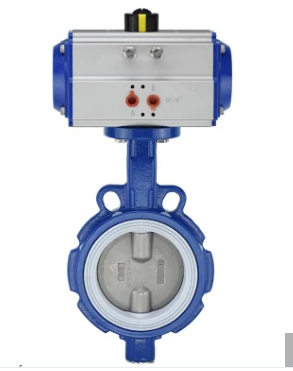
- Quick Opening and Closing: Butterfly valves are known for their quick opening and closing action, which makes them ideal for applications where rapid flow control is required. In cement plants, this feature is essential for controlling the flow of materials, gases, and liquids during the production process. Bronze butterfly valves can be operated manually or with the use of an actuator, such as a pneumatic or electric actuator, to provide precise and reliable flow control.
- Cost-Effective: Compared to other types of valves, such as gate valves or globe valves, bronze butterfly valves are relatively inexpensive. This makes them a cost-effective solution for cement plants, especially for applications where a large number of valves are required. Additionally, the low maintenance requirements and long service life of bronze butterfly valves further reduce the overall cost of ownership.
Limitations of Bronze Butterfly Valves in Cement Plants
- Temperature Limitations: While bronze has good corrosion and abrasion resistance, it has a relatively low melting point compared to other materials, such as stainless steel or carbon steel. This means that bronze butterfly valves may not be suitable for use in applications where high temperatures are involved. In cement plants, the temperature in the kiln can reach up to 1,450°C (2,642°F), which is well above the melting point of bronze. Therefore, bronze butterfly valves should not be used in direct contact with the hot gases or materials in the kiln.
- Pressure Limitations: Bronze butterfly valves are typically designed for use in low to medium-pressure applications. The maximum pressure rating of a bronze butterfly valve depends on the size, design, and material of the valve. In cement plants, the pressure in the pipelines can vary depending on the location and function of the valve. Therefore, it is important to select a bronze butterfly valve with a pressure rating that is suitable for the specific application.
- Chemical Compatibility: While bronze has good corrosion resistance, it may not be compatible with all chemicals and substances. In cement plants, the raw materials and products may contain a variety of chemicals, such as acids, alkalis, and salts, which can react with the bronze and cause corrosion or damage to the valve. Therefore, it is important to consider the chemical compatibility of the bronze butterfly valve with the specific chemicals and substances that it will be exposed to in the cement plant.
Key Considerations for Using Bronze Butterfly Valves in Cement Plants
- Valve Size and Design: The size and design of the bronze butterfly valve should be selected based on the specific requirements of the application. Factors such as the flow rate, pressure, temperature, and pipe size should be taken into account when selecting the valve. Additionally, the valve should be designed to provide a tight seal to prevent leakage and ensure efficient flow control.
- Actuator Selection: The type of actuator used to operate the bronze butterfly valve should be selected based on the specific requirements of the application. Pneumatic actuators are commonly used in cement plants due to their simplicity, reliability, and cost-effectiveness. Electric actuators are also available and can provide more precise control and automation.
- Maintenance and Inspection: Regular maintenance and inspection of the bronze butterfly valves are essential to ensure their proper operation and longevity. This includes cleaning the valves, lubricating the moving parts, and checking for any signs of wear or damage. Additionally, the valves should be tested periodically to ensure that they are functioning properly and meeting the required performance standards.
- Compatibility with Other Components: The bronze butterfly valve should be compatible with other components in the system, such as pipes, fittings, and actuators. This includes ensuring that the valve has the correct flange size and bolt pattern to match the pipes and fittings, and that the actuator is compatible with the valve and the control system.
Conclusion
In conclusion, bronze butterfly valves can be a suitable option for use in cement plants, provided that their advantages and limitations are carefully considered. The corrosion resistance, abrasion resistance, low friction, quick opening and closing, and cost-effectiveness of bronze butterfly valves make them a popular choice for many applications in the cement industry. However, it is important to select the right valve size and design, actuator type, and to ensure proper maintenance and inspection to ensure the reliable and efficient operation of the valves.
If you are considering using bronze butterfly valves in your cement plant, I encourage you to contact me to discuss your specific requirements. As a leading supplier of bronze butterfly valves, I have the expertise and experience to help you select the right valve for your application and provide you with the highest quality products and service.
References
- ASME B16.34 - Valves - Flanged, Threaded, and Welded End
- API 609 - Butterfly Valves, Double Flanged, Lug - Type, and Wafer - Type
- MSS SP - 67 - Butterfly Valves
- ISO 5208 - Industrial Valves - Pressure Testing
- ASTM B62 - Standard Specification for Bronze Castings for Valves, Flanges, and Fittings
Related Products
- Cast Iron Manual U Type Butterfly Valve
- Stainless Steel Pneumatic Actuator Wafer Butterfly Valve
- Manual Butterfly Valve
If you have any questions or would like to discuss your valve requirements for your cement plant, please feel free to reach out. We are ready to provide you with detailed product information and assist you in making the right choice for your project.