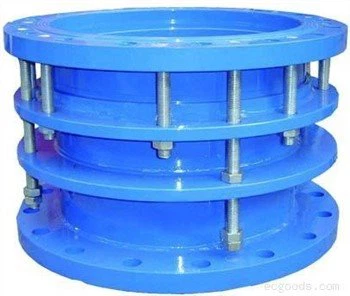
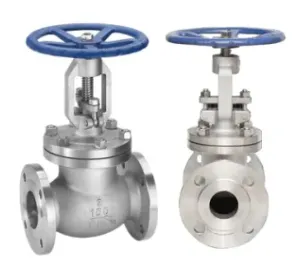
As a seasoned supplier of dismantling joints, I often encounter various technical inquiries from clients, and one question that frequently arises is, "Can a dismantling joint be used in a vertical pipeline?" This blog post aims to delve into this query comprehensively, exploring the technical aspects, advantages, potential challenges, and best practices associated with using dismantling joints in vertical pipelines.
Understanding Dismantling Joints
Before we discuss their application in vertical pipelines, let's briefly understand what dismantling joints are. Dismantling joints are essential pipe fittings designed to provide easy installation, removal, and adjustment of pipes. They consist of a body, gland, and bolts. The main function of a dismantling joint is to allow for the disconnection of pipes without the need for extensive cutting or re - welding, which significantly simplifies maintenance and repair work.
Technical Feasibility in Vertical Pipelines
From a technical perspective, using a dismantling joint in a vertical pipeline is entirely feasible. The design of a dismantling joint allows it to withstand the forces associated with vertical pipe systems. In a vertical pipeline, the primary forces acting on the joint are the gravitational force and the internal pressure of the fluid flowing through the pipe.
The gravitational force in a vertical pipeline exerts a downward pull on the pipe and its components. A well - designed dismantling joint can handle this force due to its robust construction. The bolts and the gland of the joint are engineered to hold the pipe sections together securely, preventing any separation caused by the weight of the fluid and the pipe itself.
Internal pressure is another critical factor. The pressure inside a vertical pipeline can vary depending on factors such as the height of the fluid column and the flow rate. Dismantling joints are typically rated for a specific pressure range, and as long as the operating pressure of the vertical pipeline falls within this range, the joint will function effectively.


Advantages of Using Dismantling Joints in Vertical Pipelines
- Ease of Installation and Maintenance
- One of the most significant advantages of using a dismantling joint in a vertical pipeline is the ease of installation. In a vertical setup, it can be challenging to align and connect pipe sections precisely. A dismantling joint simplifies this process by allowing for some flexibility in alignment. During maintenance or repair work, the joint can be easily disassembled, providing quick access to the pipe interior. This reduces downtime and labor costs associated with pipeline maintenance.
- Compensation for Movement
- Vertical pipelines are subject to thermal expansion and contraction due to changes in temperature. A dismantling joint can compensate for these dimensional changes. For example, as the temperature rises, the pipe expands. The dismantling joint can absorb this expansion, preventing excessive stress on the pipe and other components in the system. This helps to extend the lifespan of the pipeline and reduce the risk of leaks or failures.
- Vibration Damping
- Industrial vertical pipelines often experience vibrations due to the flow of fluid or the operation of connected equipment. Dismantling joints can act as vibration dampers. They absorb and dissipate the vibrational energy, reducing the impact on the pipe and other connected elements. This is particularly important in preventing fatigue failures in the pipeline system.
Potential Challenges and Mitigations
While using dismantling joints in vertical pipelines offers numerous benefits, there are also some potential challenges that need to be addressed:
- Sealing Issues
- In a vertical pipeline, the sealing of the dismantling joint can be more critical. The gravitational force can cause the fluid to exert additional pressure on the seal, increasing the risk of leakage. To mitigate this, high - quality sealing materials should be used. Regular inspection and replacement of the seals are also necessary to ensure long - term sealing performance.
- Corrosion
- Vertical pipelines may be more prone to corrosion, especially if the fluid contains corrosive substances. The dismantling joint, being a critical component, needs to be protected against corrosion. Using corrosion - resistant materials such as stainless steel for the joint body and bolts can significantly reduce the risk of corrosion. Additionally, applying protective coatings can further enhance the joint's resistance to corrosion.
Best Practices for Using Dismantling Joints in Vertical Pipelines
- Proper Sizing and Selection
- It is crucial to select the right size and type of dismantling joint for the vertical pipeline. Consider factors such as the pipe diameter, operating pressure, temperature, and the type of fluid flowing through the pipe. Consult with a technical expert or refer to industry standards to ensure proper sizing and selection.
- Installation Guidelines
- Follow the manufacturer's installation guidelines carefully. Ensure that the joint is properly aligned with the pipe sections and that the bolts are tightened to the recommended torque. Improper installation can lead to premature failure of the joint.
- Regular Inspection and Maintenance
- Establish a regular inspection and maintenance schedule for the dismantling joints in the vertical pipeline. Check for signs of leakage, corrosion, and wear. Replace any damaged components promptly to prevent system failures.
Related Products
If you are interested in other pipe expansion joint products, you may want to explore our Double Flange Expansion Joint and Flange Pipe Expansion Joint. These products offer similar functionality and can be used in various pipeline systems, including vertical pipelines.
Contact Us for Purchase and Consultation
If you have any further questions about using dismantling joints in vertical pipelines or are interested in purchasing our products, we are here to assist you. Our team of experts can provide you with detailed technical advice and help you select the most suitable products for your specific needs. Contact us today to start a discussion about your pipeline project.
References
- "Pipe Fittings Handbook", McGraw - Hill Professional
- "Industrial Pipeline Design and Installation Guide", ASME Publications