As a seasoned supplier of globe valves, I often encounter inquiries from the food and beverage industry regarding the suitability of our products. This blog aims to delve into the question: Can a globe valve be used in the food and beverage industry?
Understanding Globe Valves
Globe valves are a type of linear motion valve used for regulating flow in a pipeline. They are characterized by a spherical body with an internal baffle that divides the body into two halves. The disc, which is connected to a stem, moves perpendicular to the seat to control the flow. Globe valves offer precise flow control, good shut - off capabilities, and are relatively easy to maintain.
Requirements in the Food and Beverage Industry
The food and beverage industry has strict requirements when it comes to equipment used in its processes. These requirements are mainly centered around hygiene, safety, and compliance with industry standards.
Hygiene
Hygiene is of utmost importance in the food and beverage industry. Any equipment used must be easy to clean and sanitize to prevent the growth of bacteria, mold, and other contaminants. Materials used in the construction of valves should be non - toxic and resistant to corrosion from food products, cleaning agents, and disinfectants.
Safety
Safety is another critical factor. Valves need to be reliable and able to withstand the pressures and temperatures associated with food and beverage processing. They should also prevent any leakage that could lead to product contamination or pose a risk to workers.
Compliance
The industry is heavily regulated, and valves must comply with standards such as the 3 - A Sanitary Standards in the United States and the European Hygienic Engineering and Design Group (EHEDG) guidelines. These standards ensure that equipment is designed, constructed, and installed in a way that promotes hygiene and safety.
Suitability of Globe Valves in the Food and Beverage Industry
Globe valves can indeed be used in the food and beverage industry, and here's why:
Material Selection
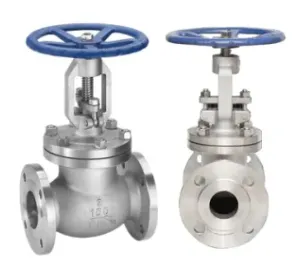
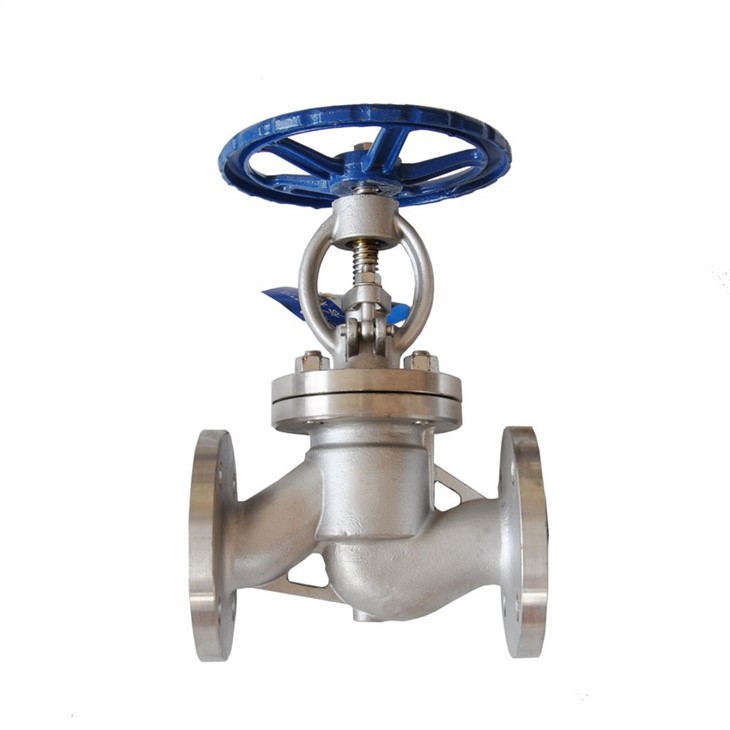
We offer a range of globe valves made from materials that meet the industry's hygiene requirements. For example, our Stainless Steel Flanged Globe Valve is constructed from high - quality stainless steel. Stainless steel is non - toxic, resistant to corrosion, and easy to clean. It can withstand the harsh cleaning and sanitization processes used in the food and beverage industry without degrading or leaching harmful substances into the products.
Design for Cleanability
Our globe valves are designed with cleanability in mind. The smooth internal surfaces minimize the risk of product buildup, which can harbor bacteria. The valve components are easily accessible for disassembly, allowing for thorough cleaning and inspection. This design feature is crucial in maintaining the high levels of hygiene required in food and beverage processing.
Precise Flow Control
In food and beverage production, precise control of flow rates is often necessary. Globe valves are well - suited for this task. Their design allows for accurate regulation of the flow of liquids, gases, and even some viscous substances. Whether it's controlling the flow of milk in a dairy processing plant or the addition of flavorings in a beverage production line, our globe valves can provide the level of control needed.
Pressure and Temperature Resistance
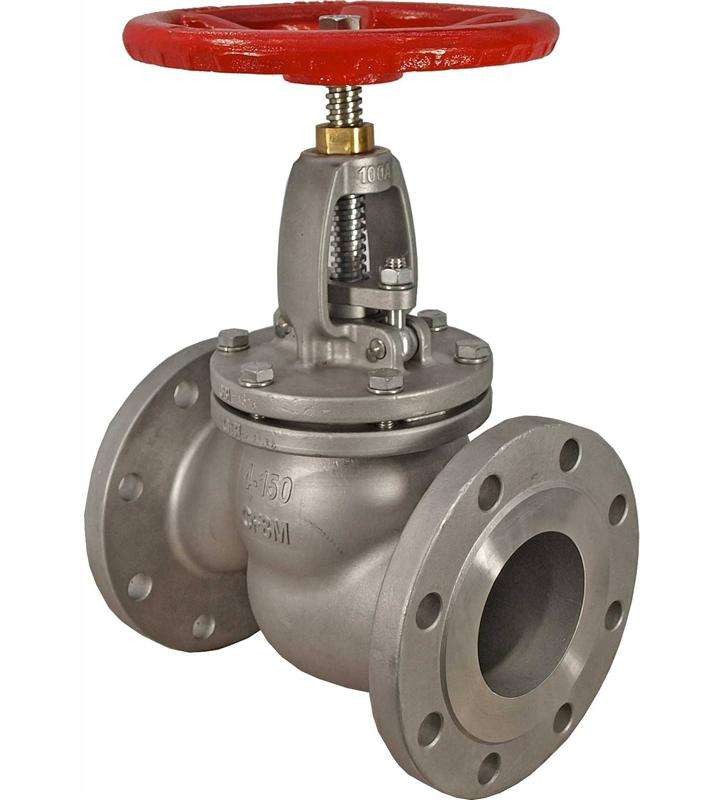
Food and beverage processing often involves a wide range of pressures and temperatures. Our globe valves are engineered to withstand these conditions. For example, our Cast Iron Flange Globe Valve is designed to handle moderate to high pressures and temperatures, making it suitable for various applications in the industry, such as steam lines for cooking or sterilization processes.
Compliance with Standards
We ensure that all our globe valves comply with relevant industry standards. Our products are tested and certified to meet the requirements of 3 - A Sanitary Standards and EHEDG guidelines. This compliance gives our customers in the food and beverage industry the confidence that they are using equipment that meets the highest safety and hygiene standards.
Specific Applications in the Food and Beverage Industry
Globe valves find numerous applications in the food and beverage industry:
Beverage Production
In beverage production, globe valves are used to control the flow of water, syrup, and carbon dioxide. For example, in a soft drink bottling plant, a Type B Screw Globe Valve can be used to regulate the flow of carbon dioxide into the beverage mixing tank, ensuring the correct level of carbonation.
Dairy Processing
In dairy processing, globe valves are used to control the flow of milk, cream, and other dairy products. They are also used in the cleaning and sterilization processes of dairy equipment. For instance, during the pasteurization process, globe valves can be used to control the flow of hot water or steam for heating and cooling the milk.
Food Manufacturing
In food manufacturing, globe valves are used in processes such as cooking, baking, and preservation. They can control the flow of ingredients, such as oils, sauces, and flavorings, as well as the flow of steam or hot water for cooking and sterilization.
Conclusion
In conclusion, globe valves are a suitable choice for the food and beverage industry. Their ability to meet the industry's strict requirements for hygiene, safety, and compliance, along with their precise flow control capabilities, make them a valuable asset in food and beverage processing.
If you are in the food and beverage industry and are looking for reliable globe valves, we invite you to contact us for procurement and further discussions. Our team of experts is ready to assist you in selecting the right valve for your specific application.
References
- 3 - A Sanitary Standards, Inc. "Standards and Guides for Dairy, Food, and Beverage Processing Equipment."
- European Hygienic Engineering and Design Group (EHEDG). "EHEDG Guidelines for Hygienic Equipment Design."