Can a parallel gate valve be automated?
As a supplier of parallel gate valves, I often encounter questions from customers about the automation of these valves. In this blog post, I will explore the feasibility of automating parallel gate valves, the benefits of doing so, and the key considerations when implementing automation.
Feasibility of Automating Parallel Gate Valves
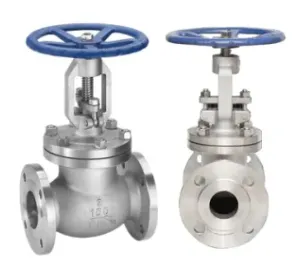
Parallel gate valves are designed to provide a tight shut - off in pipelines. They consist of two parallel discs that move perpendicular to the flow direction to open or close the valve. The good news is that parallel gate valves can indeed be automated.
The basic principle of automating a parallel gate valve involves replacing the manual handwheel or lever with an actuator. Actuators can be classified into several types, including electric, pneumatic, and hydraulic actuators.
- Electric Actuators: These are popular due to their ease of installation and control. They can be powered by a standard electrical supply and are suitable for applications where precise control is required. Electric actuators can be programmed to open or close the valve at specific times or in response to certain signals. For example, in a chemical processing plant, an electric actuator can be set to open the parallel gate valve when the pressure in a tank reaches a certain level.
- Pneumatic Actuators: Pneumatic actuators use compressed air to operate the valve. They are known for their fast operation and high - force output. Pneumatic actuators are often used in applications where a quick response is needed, such as in emergency shutdown systems. In a natural gas pipeline, a pneumatic actuator can rapidly close a parallel gate valve in case of a leak.
- Hydraulic Actuators: Hydraulic actuators use hydraulic fluid to generate the force required to operate the valve. They are capable of providing very high forces and are suitable for large - sized parallel gate valves. In a power plant, hydraulic actuators can be used to control the flow of steam through large - diameter parallel gate valves.
Benefits of Automating Parallel Gate Valves
There are several benefits to automating parallel gate valves, which make it an attractive option for many industries.
1. Increased Efficiency
Automated parallel gate valves can be opened and closed more quickly and precisely than manual valves. This reduces the time required for process operations and improves overall system efficiency. For example, in a water treatment plant, automated parallel gate valves can be used to control the flow of water through different treatment stages. The valves can be adjusted in real - time based on the water quality and flow rate, ensuring optimal treatment efficiency.
2. Improved Safety
Automation can enhance safety in industrial processes. In hazardous environments, such as oil refineries or nuclear power plants, automated parallel gate valves can be used to isolate sections of the pipeline in case of an emergency. The valves can be programmed to close automatically when certain safety parameters are exceeded, preventing the spread of dangerous substances.


3. Remote Operation
Automated parallel gate valves can be controlled remotely, which is especially useful in large - scale industrial facilities or in locations that are difficult to access. Operators can monitor and control the valves from a central control room, reducing the need for on - site personnel. This is particularly beneficial in offshore oil and gas platforms, where remote operation of parallel gate valves can save time and reduce the risk to workers.
4. Data Collection and Monitoring
Automated valves can be equipped with sensors that collect data on valve position, temperature, pressure, and other parameters. This data can be used to monitor the performance of the valve and the overall system. By analyzing the data, operators can detect potential problems early and take preventive maintenance actions. For example, if a sensor on an automated parallel gate valve detects a gradual increase in operating torque, it may indicate a problem with the valve's internal components.
Key Considerations When Implementing Automation
While the automation of parallel gate valves offers many benefits, there are several key considerations that need to be taken into account.
1. Compatibility
The actuator must be compatible with the parallel gate valve. Factors such as valve size, operating torque, and the type of valve seat need to be considered. For example, a small - sized parallel gate valve may require a different type of actuator than a large - diameter valve. It is important to consult the valve manufacturer's specifications to ensure proper compatibility.
2. Control System Integration
The automated parallel gate valve needs to be integrated into the overall control system of the plant or facility. This requires careful planning and coordination to ensure that the valve can communicate effectively with other components of the system. For example, the actuator may need to be connected to a programmable logic controller (PLC) or a distributed control system (DCS).
3. Maintenance Requirements
Automated parallel gate valves require regular maintenance to ensure their reliable operation. The actuator, sensors, and control system all need to be inspected and serviced periodically. It is important to have a maintenance plan in place and to train the maintenance personnel on how to properly maintain the automated valves.
4. Cost
Automation of parallel gate valves involves additional costs, including the cost of the actuator, control system, and installation. However, these costs need to be weighed against the long - term benefits, such as increased efficiency and improved safety. In some cases, the cost savings from reduced downtime and improved process performance can offset the initial investment.
Our Product Offerings
As a parallel gate valve supplier, we offer a wide range of parallel gate valves that are suitable for automation. Our valves are designed to meet the highest industry standards and are available in various sizes and materials.
We also provide a selection of actuators and control systems to ensure seamless automation of our parallel gate valves. Whether you need an electric, pneumatic, or hydraulic actuator, we can provide the right solution for your application.
For more information about our products, you can visit our website and check out our American Standard Flanged Gate Valves, 16bar Dustile Iron Nrs Resilient Seat Wedge Gate Valve, and ANSI Gate Valve ANSI.
Conclusion
In conclusion, parallel gate valves can be effectively automated using electric, pneumatic, or hydraulic actuators. The automation of these valves offers numerous benefits, including increased efficiency, improved safety, remote operation, and data collection. However, careful consideration needs to be given to factors such as compatibility, control system integration, maintenance requirements, and cost.
If you are interested in automating your parallel gate valves or have any questions about our products, please feel free to contact us. We are here to provide you with the best solutions for your valve automation needs.
References
- Valve Handbook, 4th Edition, by J. S. T. Lovick
- Industrial Valve Technology, by R. A. Streeter
- Automation of Fluid Power Systems, by P. R. Enright