Can ball valves be used for high - temperature applications?
Hey there! I'm a supplier of ball valves, and I often get asked this question: Can ball valves be used for high - temperature applications? Well, let's dive right in and explore this topic.


First off, ball valves are pretty cool. They're one of the most common types of valves out there. They work by using a spherical disc (the ball) to control the flow of a fluid. When the valve is open, the hole in the ball lines up with the flow path, and when it's closed, the solid part of the ball blocks the flow. Simple, right?
Now, back to the main question. The answer is yes, ball valves can be used for high - temperature applications, but there are some important things to consider.
The materials used in ball valves play a huge role. The ball, the seat, and the body of the valve all need to be able to withstand high temperatures. For the valve body, materials like stainless steel are often a great choice because they have good heat resistance. Stainless steel can handle temperatures up to a few hundred degrees Celsius without melting or deforming too much. It's also resistant to corrosion, which is a big plus when dealing with high - temperature fluids that might be a bit corrosive.
The ball inside the valve also needs to be made of a suitable material. In high - temperature applications, you'll often find balls made of chrome - plated steel or ceramics. Chrome - plated steel is tough and can take a fair amount of heat. Ceramics are even better in some ways. They can handle extremely high temperatures and are also very resistant to wear and corrosion.
Then there's the valve seat. The seat is what seals against the ball to stop the flow. In high - temperature settings, traditional rubber seats won't cut it because rubber starts to break down at relatively low temperatures. Instead, you might use seats made of materials like PTFE (polytetrafluoroethylene), but it has a limited temperature range. For really high - temperature applications, metal seats are a much better option. Metal seats can handle high temperatures and can provide a good seal even under extreme conditions.
Let's talk about some of the specific types of ball valves we offer and how they fare in high - temperature situations. We have the Ultra Thin Ball Valve. This valve is great for applications where space is limited. It's designed to be lightweight and compact, but don't let its thin profile fool you. We can customize it with high - temperature - resistant materials for those high - heat jobs.
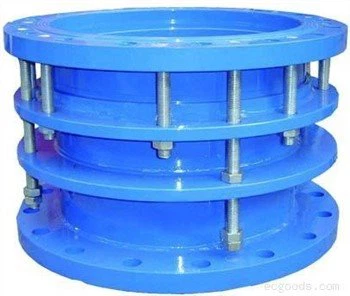
Another option is the Full - lined Flanged Ball Valve. This valve has a lining that protects the valve body from the fluid. In high - temperature applications, we can use special lining materials that can handle the heat. The flanged design also makes it easy to install and provides a secure connection.
And then there's the Screw Ball Valve. It's a simple and reliable valve. The screw - type connection makes it easy to install and remove. We can make this valve with high - temperature materials so that it can be used in hot environments without any issues.
However, there are some challenges when using ball valves in high - temperature applications. One of the biggest problems is thermal expansion. As the temperature rises, the materials in the valve expand. If the valve isn't designed properly to handle this expansion, it can lead to leaks or even damage to the valve. For example, if the ball expands more than the seat, the seal might be compromised. That's why it's crucial to choose a valve that's designed to account for thermal expansion.
Another challenge is the effect of high temperatures on the lubrication in the valve. If the valve has moving parts that rely on lubrication, high temperatures can cause the lubricant to break down or evaporate. This can lead to increased friction and wear, which can shorten the lifespan of the valve. To combat this, we use special high - temperature lubricants that can withstand the heat.
So, in conclusion, ball valves can definitely be used for high - temperature applications, but you need to choose the right materials and design. At our company, we have a wide range of ball valves that can be customized for high - temperature use. Whether you're working in a power plant, a chemical factory, or any other high - temperature environment, we've got the valve for you.
If you're in the market for ball valves for your high - temperature applications, don't hesitate to reach out. We're here to help you find the perfect valve for your needs. We can provide you with detailed information about our products, answer any questions you might have, and even offer some advice on installation and maintenance. Contact us today to start a conversation about your valve requirements.
References:
- "Valve Handbook" - Industry - standard guide on valve types and applications
- Technical data sheets from ball valve material manufacturers