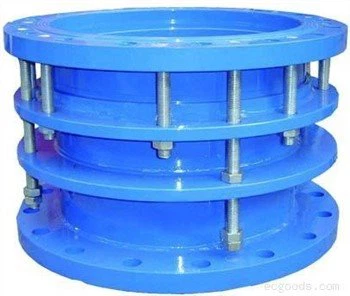
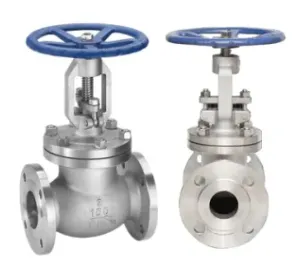
Can gate valves be automated? That's a question I get asked a lot as a gate valve supplier. And the short answer is yes, they can! In this blog post, I'll dive into the details of automating gate valves, why you might want to do it, and the different ways to go about it.
First off, let's talk about what gate valves are. Gate valves are a type of valve used to control the flow of fluids in a pipeline. They work by raising or lowering a gate (a flat or wedge-shaped disc) to either allow or block the flow of fluid. They're commonly used in a variety of industries, including oil and gas, water treatment, and manufacturing.
Now, why would you want to automate a gate valve? Well, there are several reasons. One of the main benefits is increased efficiency. Automated gate valves can be controlled remotely, which means you don't have to send someone out to manually operate the valve. This can save time and money, especially in large-scale operations where there are multiple valves to manage.
Another advantage is improved accuracy. Automated systems can be programmed to open and close the valve at precise intervals or in response to specific conditions, such as changes in pressure or flow rate. This can help prevent overflows, leaks, and other issues that can cause damage to the pipeline or equipment.
Automation also enhances safety. In some industries, working with valves can be dangerous, especially if they're located in hazardous areas. By automating the process, you can reduce the risk of accidents and injuries to your employees.
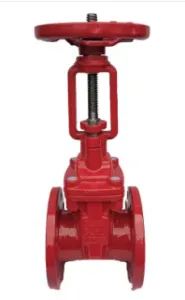

So, how can you automate a gate valve? There are a few different methods, and the best one for you will depend on your specific needs and budget.
One common way is to use an electric actuator. Electric actuators are devices that convert electrical energy into mechanical motion. They can be easily attached to the stem of the gate valve and controlled using a control panel or a computer system. Electric actuators are relatively easy to install and maintain, and they offer precise control over the valve's position.
Pneumatic actuators are another option. These use compressed air to move the valve. They're often used in industrial settings where compressed air is readily available. Pneumatic actuators are known for their fast operation and high torque, making them suitable for large gate valves.
Hydraulic actuators are similar to pneumatic actuators, but they use hydraulic fluid instead of air. They can generate even more force than pneumatic actuators, which makes them ideal for very large or heavy-duty gate valves. However, hydraulic systems can be more complex and expensive to install and maintain.
When choosing an automation method, it's important to consider the size and type of your gate valve. Different valves may require different types of actuators to work effectively. For example, a large Steel Round Gate may need a more powerful actuator than a smaller one.
At our company, we offer a wide range of gate valves that are suitable for automation. Our Cast Iron F4 Resilient Seated Gate Valve is a popular choice for many applications. It features a resilient seat that provides a tight seal, reducing the risk of leaks. And our Non Rising Stem Groove Resilient Gate Valve is designed for use in tight spaces where a rising stem valve may not be practical.
We also provide support and guidance on choosing the right automation solution for your gate valves. Our team of experts can help you determine the best actuator type, size, and control system based on your specific requirements.
If you're interested in automating your gate valves or just want to learn more about our products, don't hesitate to get in touch. We're here to answer your questions and help you find the best solutions for your business. Whether you're looking for a simple electric actuator or a more complex hydraulic system, we've got you covered.
In conclusion, automating gate valves is definitely possible and offers many benefits. It can improve efficiency, accuracy, and safety in your operations. With the right equipment and support, you can take your valve management to the next level. So, if you're considering automating your gate valves, give us a call and let's start the conversation.
References
- Valve Handbook: A Guide to Valve Selection, Operation, and Maintenance
- Industrial Valve Technology: Principles and Applications