In the realm of industrial fluid control, the question of whether gate valves can be used in cryogenic applications is a crucial one. As a gate valve supplier, I've encountered numerous inquiries regarding the suitability of gate valves for extremely low - temperature environments. This blog post aims to delve into this topic, exploring the technical aspects, advantages, limitations, and real - world applications of using gate valves in cryogenic settings.
Understanding Cryogenic Applications
Cryogenic applications involve working with extremely low temperatures, typically below - 150°C (- 238°F). These applications are common in industries such as liquefied natural gas (LNG) production and storage, air separation plants, and scientific research. At such low temperatures, materials and components behave differently compared to normal operating conditions. For example, metals can become brittle, and the properties of seals and gaskets can change significantly.
Gate Valves: An Overview
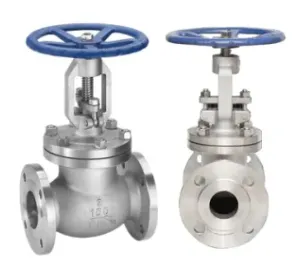
Gate valves are one of the most commonly used types of valves in industrial applications. They operate by raising or lowering a gate or wedge inside the valve body to control the flow of fluid. When the gate is fully raised, the valve is open, allowing unobstructed flow. When the gate is fully lowered, it blocks the flow path, shutting off the valve. Gate valves are known for their full - bore design, which minimizes pressure drop when the valve is open. This makes them suitable for applications where a straight - through flow with minimal resistance is required.

Suitability of Gate Valves for Cryogenic Applications
Advantages
- Full - Bore Design: The full - bore design of gate valves is a significant advantage in cryogenic applications. In cryogenic systems, maintaining a smooth and unobstructed flow is crucial to prevent the formation of ice or solid particles that could clog the system. The straight - through flow path of gate valves reduces the risk of such blockages.
- Positive Shut - Off: Gate valves provide a positive shut - off, which is essential in cryogenic applications. In systems handling cryogenic fluids, any leakage can lead to significant safety hazards and product loss. The tight seal provided by a properly designed and installed gate valve helps to prevent leakage.
- Low Pressure Drop: As mentioned earlier, gate valves have a low pressure drop when fully open. In cryogenic systems, minimizing pressure drop is important to ensure efficient operation and reduce energy consumption.
Challenges and Limitations
- Material Selection: At cryogenic temperatures, most common metals become brittle. Therefore, special materials need to be used for gate valves in cryogenic applications. Materials such as stainless steel (e.g., 304L and 316L) are often used because they retain their ductility at low temperatures. However, the selection of materials also needs to consider factors such as corrosion resistance and compatibility with the cryogenic fluid.
- Sealing Issues: The seals and gaskets in gate valves can be affected by the extreme cold. At low temperatures, the rubber or elastomeric materials commonly used in seals can harden and lose their flexibility, leading to leakage. Special cryogenic - grade seals made from materials like PTFE (Polytetrafluoroethylene) are often used to address this issue.
- Thermal Expansion and Contraction: Cryogenic applications involve significant temperature changes. When the valve is exposed to cryogenic temperatures, it contracts, and when it warms up, it expands. This thermal expansion and contraction can cause stress on the valve components, potentially leading to damage or leakage. Proper design and installation are required to accommodate these thermal effects.
Types of Gate Valves for Cryogenic Applications
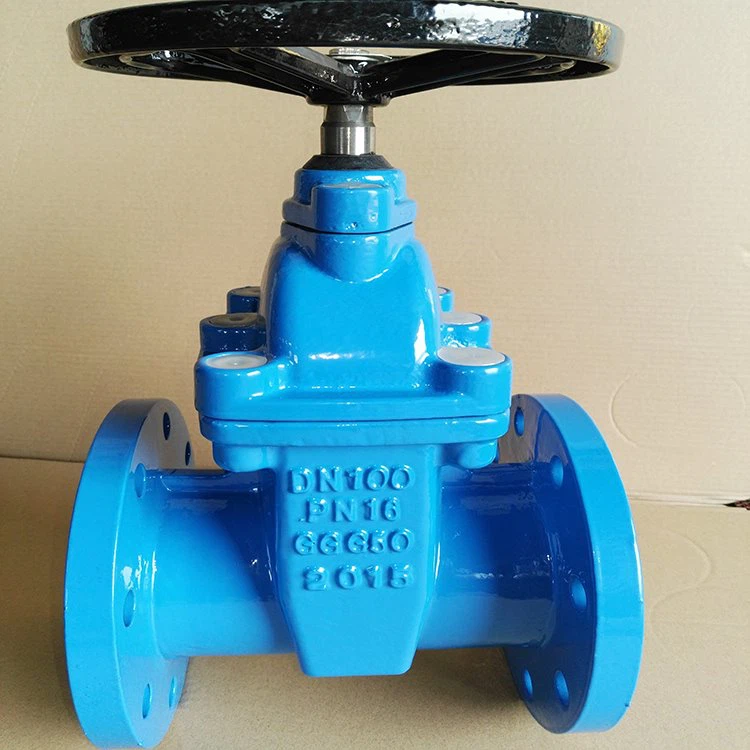
BS5163 Gate Valve BS5163
The BS5163 Gate Valve BS5163 is a type of gate valve that can be suitable for cryogenic applications. It is designed to meet specific standards and requirements, which may include provisions for low - temperature operation. This valve typically features a robust construction and is available in various sizes and pressure ratings. The design of the BS5163 gate valve takes into account the challenges associated with cryogenic environments, such as material selection and sealing.
Bellows Gate Valve
Bellows Gate Valves are another option for cryogenic applications. These valves use a bellows seal to prevent leakage. The bellows provide a flexible seal that can accommodate thermal expansion and contraction, reducing the risk of leakage due to temperature changes. Bellows gate valves are often used in applications where a high - level of sealing integrity is required, such as in cryogenic storage tanks.
Steel Round Gate
The Steel Round Gate is a type of gate valve made from steel. Steel is a popular material for cryogenic applications due to its strength and durability at low temperatures. The round design of the gate can provide a more uniform sealing surface compared to other shapes, which can improve the valve's performance in cryogenic environments.
Real - World Applications
In the LNG industry, gate valves are widely used in various parts of the production and storage process. For example, they are used in pipelines for transferring LNG from storage tanks to shipping vessels. The full - bore design of gate valves allows for efficient flow of the cryogenic LNG, while the positive shut - off feature ensures safety during loading and unloading operations.
In air separation plants, gate valves are used to control the flow of cryogenic oxygen, nitrogen, and argon. These valves play a crucial role in maintaining the proper operation of the plant and ensuring the quality of the separated gases.
Conclusion
In conclusion, gate valves can be used in cryogenic applications, but careful consideration must be given to various factors such as material selection, sealing, and thermal expansion. With the right design and proper installation, gate valves can provide reliable and efficient operation in cryogenic environments. The BS5163 Gate Valve BS5163, Bellows Gate Valve, and Steel Round Gate are some of the types of gate valves that are well - suited for cryogenic applications.
If you are in need of gate valves for cryogenic applications or have any questions regarding our products, we encourage you to reach out to us for a detailed discussion and to initiate the procurement process. Our team of experts is ready to assist you in finding the most suitable solutions for your specific needs.
References
- ASME B31.3 Process Piping Code
- API 600 Standard for Steel Gate, Globe, and Check Valves
- ISO 15848 - 1 Industrial valves - Measurement, test and qualification procedures for fugitive emissions