As a seasoned pipe fitting supplier, I often encounter this question from clients: "Can I use pipe fittings in a heating system?" The answer is a resounding yes, but there are several crucial factors to consider to ensure the efficiency, safety, and longevity of your heating system.
The Role of Pipe Fittings in a Heating System
Pipe fittings play a vital role in a heating system. They are used to connect pipes, change the direction of the flow, control the flow rate, and accommodate thermal expansion. Without proper pipe fittings, a heating system would be unable to function effectively.
Connection and Directional Changes
Pipe fittings such as elbows, tees, and couplings are used to connect pipes and change the direction of the flow. Elbows are used to change the direction of the pipe by 90 or 45 degrees, allowing the pipes to navigate around obstacles and fit into the available space. Tees are used to split the flow into two directions or combine two flows into one. Couplings are used to connect two pipes of the same or different diameters.
Flow Control
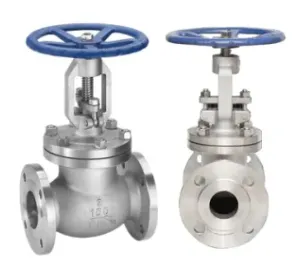
Valves are an essential type of pipe fitting used for flow control in a heating system. They can be used to regulate the flow rate, shut off the flow completely, or divert the flow to different parts of the system. Ball valves, gate valves, and globe valves are commonly used in heating systems. Ball valves are known for their quick on-off operation and low pressure drop, while gate valves are suitable for applications where a full flow is required. Globe valves are used for precise flow control.
Thermal Expansion
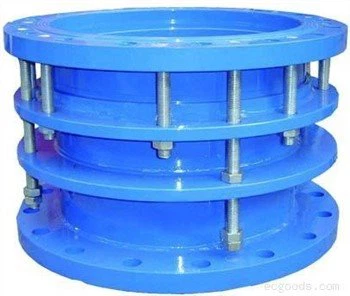
Heating systems are subject to thermal expansion and contraction as the temperature of the fluid inside the pipes changes. Expansion joints are used to accommodate this movement and prevent damage to the pipes and fittings. Flange Pipe Expansion Joint and Double Flange Expansion Joint are two types of expansion joints commonly used in heating systems. They are designed to absorb the axial, lateral, and angular movement of the pipes caused by thermal expansion.
Types of Pipe Fittings Suitable for Heating Systems
Materials
The choice of material for pipe fittings in a heating system is crucial. The material must be able to withstand the high temperatures and pressures associated with heating systems, as well as resist corrosion. Common materials used for pipe fittings in heating systems include:
- Copper: Copper is a popular choice for heating systems due to its excellent thermal conductivity, corrosion resistance, and ease of installation. Copper pipe fittings are available in a variety of sizes and configurations, making them suitable for a wide range of applications.
- Stainless Steel: Stainless steel is another commonly used material for pipe fittings in heating systems. It is highly resistant to corrosion, making it suitable for use in harsh environments. Stainless steel pipe fittings are also strong and durable, able to withstand high pressures and temperatures.
- Cast Iron: Cast iron pipe fittings are known for their strength and durability. They are commonly used in large-scale heating systems, such as those in commercial buildings. Cast iron pipe fittings are heavy and require special installation techniques, but they offer long-term reliability.
Compatibility
It is important to ensure that the pipe fittings are compatible with the pipes and the fluid being transported in the heating system. Different materials have different coefficients of thermal expansion, which can cause problems if they are not compatible. For example, if copper pipes are connected to steel fittings, galvanic corrosion may occur due to the difference in the electrochemical potential between the two materials. To prevent this, dielectric unions can be used to separate the two materials.
Installation Considerations
Proper Sizing
Proper sizing of the pipe fittings is essential for the efficient operation of the heating system. The size of the fittings should be based on the flow rate, pressure, and temperature requirements of the system. If the fittings are too small, they can cause a restriction in the flow, leading to reduced efficiency and increased energy consumption. If the fittings are too large, they can result in excessive pressure drop and poor performance.
Installation Techniques
The installation of pipe fittings in a heating system requires careful attention to detail. The fittings should be installed according to the manufacturer's instructions and industry standards. Proper sealing techniques should be used to prevent leaks. For example, when installing threaded pipe fittings, Teflon tape or pipe dope should be used to seal the threads. When installing welded pipe fittings, the welding should be done by a qualified welder to ensure a strong and leak-free joint.


Maintenance
Regular maintenance of the pipe fittings is necessary to ensure the continued operation of the heating system. This includes inspecting the fittings for signs of wear, corrosion, or damage, and replacing any damaged fittings as soon as possible. The valves should be lubricated periodically to ensure smooth operation, and the expansion joints should be checked for proper movement and alignment.
Benefits of Using High-Quality Pipe Fittings in a Heating System
Energy Efficiency
High-quality pipe fittings can help improve the energy efficiency of the heating system. By reducing the pressure drop and ensuring a smooth flow of the fluid, the system can operate more efficiently, resulting in lower energy consumption and cost savings.
Safety
Using high-quality pipe fittings can enhance the safety of the heating system. They are less likely to fail or leak, reducing the risk of accidents and damage to the property. For example, a leak in a heating system can cause water damage to the building, and a failure of a valve can lead to overpressure and potential explosion.
Longevity
High-quality pipe fittings are more durable and long-lasting than low-quality ones. They can withstand the harsh conditions of the heating system for a longer period of time, reducing the need for frequent replacements and maintenance. This can save both time and money in the long run.
Conclusion
In conclusion, pipe fittings are an essential component of a heating system. They are used for connection, flow control, and accommodating thermal expansion. By choosing the right type of pipe fittings, ensuring proper installation and maintenance, you can ensure the efficient, safe, and long-term operation of your heating system.
If you are in need of high-quality pipe fittings for your heating system, I invite you to contact us. As a leading pipe fitting supplier, we offer a wide range of products, including Flange Pipe Expansion Joint and Double Flange Expansion Joint, to meet your specific requirements. Our team of experts is available to provide you with professional advice and support. Let's work together to ensure the success of your heating system project.
References
- ASME Boiler and Pressure Vessel Code
- ASTM International Standards
- Hydronic Heating Handbook