As a seasoned Pipe Fitting supplier, I've witnessed firsthand the critical role that minimizing pressure drop plays in the efficiency and performance of pipe fitting systems. Pressure drop, the reduction in fluid pressure as it flows through a pipe and its components, can have significant implications for the overall operation of a system. Excessive pressure drop can lead to increased energy consumption, reduced flow rates, and potential damage to equipment. In this blog post, I'll share some practical strategies and insights on how to minimize pressure drop in a pipe fitting system.
Understanding Pressure Drop
Before delving into the strategies for minimizing pressure drop, it's essential to understand the factors that contribute to it. Pressure drop in a pipe fitting system is primarily caused by two types of resistance: friction and turbulence.
- Friction: As fluid flows through a pipe, it experiences friction against the inner surface of the pipe walls. This friction creates a resistance to flow, resulting in a pressure drop. The magnitude of the frictional pressure drop depends on several factors, including the pipe diameter, length, roughness, and the fluid's viscosity and velocity.
- Turbulence: Turbulence occurs when the fluid flow becomes irregular and chaotic, typically due to changes in the pipe's direction, diameter, or the presence of fittings such as elbows, tees, and valves. Turbulence increases the energy losses in the system, leading to a higher pressure drop.
Strategies for Minimizing Pressure Drop
Now that we have a better understanding of the factors contributing to pressure drop, let's explore some strategies for minimizing it in a pipe fitting system.
1. Optimize Pipe Sizing
One of the most effective ways to minimize pressure drop is to select the appropriate pipe size for the application. A larger pipe diameter generally results in lower fluid velocities, which in turn reduces frictional losses and pressure drop. However, it's important to balance the benefits of a larger pipe size with the increased cost and space requirements.
When selecting the pipe size, consider the following factors:
- Flow rate: Determine the required flow rate of the fluid in the system. This will help you calculate the appropriate pipe diameter based on the desired fluid velocity.
- Fluid properties: Take into account the fluid's viscosity, density, and temperature, as these properties can affect the pressure drop.
- System design: Consider the overall layout of the pipe fitting system, including the length of the pipes, the number of fittings, and the presence of any elevation changes.
2. Use Smooth Pipe Materials
The roughness of the inner surface of the pipe can significantly impact the frictional pressure drop. Using smooth pipe materials, such as stainless steel or PVC, can help reduce friction and minimize pressure drop. These materials have a lower surface roughness compared to other materials, such as cast iron or galvanized steel, which results in less resistance to fluid flow.


In addition to the pipe material, the pipe's interior finish can also affect the pressure drop. Pipes with a smooth interior finish, such as those with a polished or lined surface, can further reduce friction and improve flow efficiency.
3. Minimize the Number of Fittings
Each fitting in a pipe fitting system introduces additional resistance to fluid flow, resulting in a pressure drop. Therefore, it's important to minimize the number of fittings used in the system whenever possible. For example, instead of using multiple elbows to change the direction of the pipe, consider using a single long-radius elbow, which has a lower pressure drop.
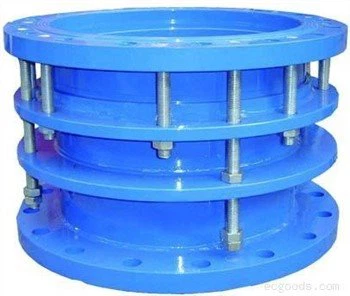
When selecting fittings, choose those with a low-pressure drop design. For example, Flange Pipe Expansion Joint and Double Flange Expansion Joint are designed to accommodate thermal expansion and contraction while minimizing pressure drop.
4. Optimize Fitting Design
In addition to minimizing the number of fittings, it's also important to optimize the design of the fittings used in the system. For example, using fittings with a streamlined shape can help reduce turbulence and pressure drop. Elbows with a long radius or mitred elbows have a lower pressure drop compared to short-radius elbows.
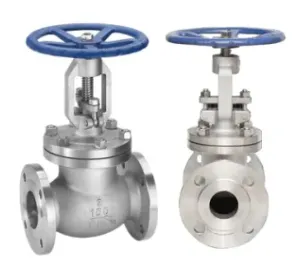
Valves also play a crucial role in minimizing pressure drop. Select valves that are designed for low-pressure drop applications, such as ball valves or gate valves. These valves have a low resistance to fluid flow when fully open, resulting in a lower pressure drop.
5. Maintain Proper Flow Velocity
Maintaining a proper flow velocity in the pipe fitting system is essential for minimizing pressure drop. If the flow velocity is too high, it can increase turbulence and frictional losses, leading to a higher pressure drop. On the other hand, if the flow velocity is too low, it can result in sedimentation and reduced system efficiency.
To determine the appropriate flow velocity, consider the fluid properties, pipe diameter, and the desired pressure drop. The recommended flow velocity for most applications ranges from 1 to 3 meters per second for liquids and 10 to 30 meters per second for gases.
6. Regularly Inspect and Maintain the System
Regular inspection and maintenance of the pipe fitting system are crucial for ensuring optimal performance and minimizing pressure drop. Over time, pipes and fittings can become clogged with debris, corrosion, or scale, which can increase resistance to fluid flow and result in a higher pressure drop.
Inspect the system regularly for any signs of damage, leaks, or blockages. Clean the pipes and fittings as needed to remove any debris or scale buildup. Replace any damaged or worn-out components to ensure the system operates smoothly and efficiently.
Conclusion
Minimizing pressure drop in a pipe fitting system is essential for improving energy efficiency, reducing operating costs, and ensuring the reliable performance of the system. By optimizing pipe sizing, using smooth pipe materials, minimizing the number of fittings, optimizing fitting design, maintaining proper flow velocity, and regularly inspecting and maintaining the system, you can effectively reduce pressure drop and maximize the efficiency of your pipe fitting system.
If you're interested in learning more about our Pipe Fitting products or would like to discuss your specific requirements, please don't hesitate to contact us. We're here to help you find the best solutions for your pipe fitting needs.
References
- Crane Company. "Flow of Fluids Through Valves, Fittings, and Pipe." Technical Paper No. 410.
- Pipe Fitting Handbook. McGraw-Hill Professional.
- "Fluid Mechanics and Hydraulics." Robert L. Mott. John Wiley & Sons.