As a pipe fitting supplier, I understand the challenges that come with noise in pipe fitting systems. Excessive noise not only causes discomfort but can also indicate underlying issues that may lead to system inefficiencies or even failures. In this blog, I'll share some effective strategies to reduce noise in pipe fitting systems based on my experience in the industry.
Understanding the Sources of Noise in Pipe Fitting Systems
Before we delve into the solutions, it's crucial to understand where the noise in pipe fitting systems comes from. There are several common sources:
Fluid Flow Turbulence
When fluids flow through pipes, turbulence can occur, especially at bends, valves, or areas with sudden changes in pipe diameter. This turbulence creates pressure fluctuations that result in noise. For example, a sharp - angled elbow in a pipe can cause the fluid to change direction abruptly, leading to eddies and swirls that generate noise.
Water Hammer
Water hammer is a phenomenon that happens when the flow of water in a pipe is suddenly stopped or changed. This can occur when a valve is closed rapidly, causing a shock wave to travel through the pipe. The impact of this shock wave against the pipe walls and fittings creates a loud banging noise.
Vibration
Pumps, compressors, and other equipment connected to the pipe system can generate vibrations. If these vibrations are not properly isolated, they can transfer to the pipes and fittings, causing them to vibrate and produce noise.
Strategies to Reduce Noise in Pipe Fitting Systems
Select the Right Pipe Fittings
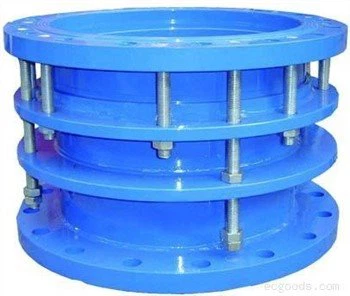
The choice of pipe fittings can significantly impact noise levels. For instance, using Flange Pipe Expansion Joint can help absorb vibrations and reduce noise. These expansion joints are designed to accommodate movement and thermal expansion in the pipe system, which can prevent the build - up of stress that may lead to noise.
Similarly, Double Flange Expansion Joint offers additional flexibility and can effectively dampen vibrations. They are particularly useful in large - scale pipe systems where thermal expansion and movement are more significant.
Optimize Pipe Layout
A well - designed pipe layout can minimize fluid flow turbulence and reduce noise. Avoid sharp bends and sudden changes in pipe diameter as much as possible. Instead, use gradual curves and smooth transitions to allow the fluid to flow more smoothly. Additionally, ensure that pipes are properly supported at regular intervals to prevent sagging, which can cause turbulence and noise.
Install Noise - Absorbing Materials
Applying noise - absorbing materials to the exterior of pipes can help reduce the transmission of noise. Insulation materials such as fiberglass or foam rubber can be wrapped around the pipes. These materials not only absorb sound but also provide thermal insulation, which can improve the energy efficiency of the system.


Use Anti - Vibration Mounts
For equipment that generates vibrations, such as pumps and compressors, anti - vibration mounts should be installed. These mounts isolate the equipment from the pipe system, preventing the transfer of vibrations. There are various types of anti - vibration mounts available, including rubber mounts, spring mounts, and air mounts. The choice of mount depends on the type and size of the equipment, as well as the level of vibration.
Control Fluid Velocity
High fluid velocity can contribute to turbulence and noise. By controlling the flow rate and ensuring that the fluid velocity is within the recommended range for the pipe size and type, you can reduce noise levels. This may involve adjusting the pump speed or installing flow control valves.
Maintenance and Monitoring
Regular maintenance is essential for keeping noise levels in check. Inspect pipes and fittings for signs of wear, corrosion, or damage. Leaks can also cause noise, so it's important to detect and repair them promptly.
Monitoring the noise levels in the pipe system can help identify potential issues early. You can use sound level meters to measure the noise at different points in the system. If the noise levels exceed the acceptable range, it may indicate a problem that needs to be addressed.
Conclusion
Reducing noise in pipe fitting systems is a multi - faceted approach that involves careful selection of pipe fittings, proper system design, installation of noise - reducing components, and regular maintenance. As a pipe fitting supplier, I am committed to providing high - quality products and solutions to help you achieve a quiet and efficient pipe system.
If you are facing noise issues in your pipe fitting system or are looking for ways to optimize your existing system, I encourage you to reach out to me for a consultation. We can discuss your specific requirements and find the best solutions for your needs. Whether it's selecting the right expansion joints or designing a more efficient pipe layout, I'm here to assist you every step of the way. Don't let noise disrupt your operations; take action today to create a quieter and more reliable pipe system.
References
- "Piping Handbook" by Cameron Engineering and Associates
- "Fluid Mechanics" by Frank M. White
- Industry standards and guidelines for pipe fitting systems