A metal seat gate valve is a crucial component in various industrial applications, known for its reliability and durability. As a reputable Metal Seat Valve supplier, I am well - versed in how these valves operate and their significance in different systems. In this blog, I will delve into the inner workings of a metal seat gate valve, exploring its structure, operation principles, and the benefits it offers.
Structure of a Metal Seat Gate Valve
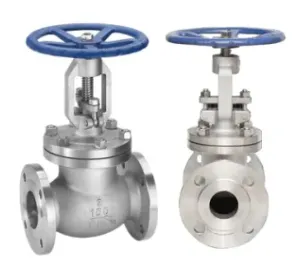
The basic structure of a metal seat gate valve consists of several key parts. The valve body is the outer casing that houses all the internal components. It is typically made of high - quality metals such as cast iron, carbon steel, or stainless steel, depending on the application requirements. The valve body provides a secure and rigid structure to withstand the pressure and flow of the fluid within the pipeline.

Inside the valve body, there is a gate, which is the movable part responsible for controlling the flow of the fluid. The gate is usually a flat or wedge - shaped disc made of metal. It is designed to fit precisely between two seat rings. The seat rings are fixed within the valve body and form a seal with the gate when the valve is closed. The metal - to - metal contact between the gate and the seat rings provides a tight seal, preventing leakage of the fluid.
The stem is another important component. It is connected to the gate and is used to move the gate up and down. The stem can be either rising or non - rising. In a rising stem gate valve, the stem moves up as the valve is opened, indicating the position of the gate. In a non - rising stem gate valve, the stem rotates but does not move axially, and the position of the gate is indicated by a pointer on the valve.
The bonnet is attached to the valve body and encloses the stem and the packing. The packing is a sealing material that prevents the fluid from leaking along the stem. It is usually made of materials such as graphite or PTFE, which can withstand high temperatures and pressures.
Operation Principles
The operation of a metal seat gate valve is relatively straightforward. There are two main states: open and closed.
Opening the Valve
To open the valve, an external force is applied to the stem. This can be done manually using a handwheel or automatically using an actuator such as an electric, pneumatic, or hydraulic actuator. When the stem is turned or moved, it transfers the force to the gate. The gate starts to move upwards, gradually opening the flow path between the inlet and the outlet of the valve.
As the gate rises, the fluid can flow freely through the valve. The large flow area provided by the fully open gate valve results in low pressure drop across the valve, which is beneficial for applications where a high flow rate is required. For example, in water supply systems or oil and gas pipelines, a metal seat gate valve can be used to ensure efficient fluid transportation.
Closing the Valve
Closing the valve is the reverse process of opening. The stem is turned or moved in the opposite direction, causing the gate to move downwards. As the gate approaches the seat rings, the metal - to - metal contact between the gate and the seat rings begins to form a seal. When the gate is fully closed, it creates a tight barrier that stops the flow of the fluid completely.
The tight seal is essential for preventing leakage, especially in applications where the fluid is hazardous or expensive. For instance, in chemical processing plants, a reliable metal seat gate valve can prevent the leakage of corrosive chemicals, protecting the environment and ensuring the safety of the workers.
Advantages of Metal Seat Gate Valves
Excellent Sealing Performance
The metal - to - metal sealing mechanism of the metal seat gate valve provides a superior sealing performance compared to other types of valves. It can effectively prevent leakage even under high pressures and temperatures. This makes it suitable for applications in the oil and gas, power generation, and chemical industries, where tight sealing is crucial.
Low Pressure Drop
When fully open, the gate valve offers a straight - through flow path with a large cross - sectional area. This results in a low pressure drop across the valve, reducing the energy consumption of the system. In large - scale fluid transportation systems, such as long - distance pipelines, the low pressure drop of the metal seat gate valve can lead to significant cost savings.
Durability
Metal seat gate valves are built to last. The use of high - quality metals in their construction makes them resistant to corrosion, erosion, and wear. They can withstand harsh operating conditions and have a long service life, reducing the need for frequent replacements and maintenance.
Versatility
These valves can be used in a wide range of applications, handling different types of fluids including liquids, gases, and slurries. They can also operate in various temperature and pressure ranges, making them a versatile choice for different industries.
Applications
Metal seat gate valves are widely used in many industries. In the oil and gas industry, they are used in pipelines for transporting crude oil, natural gas, and refined products. They are also used in refineries and petrochemical plants for controlling the flow of various chemicals.
In the power generation industry, metal seat gate valves are used in steam systems, water supply systems, and cooling water systems. They can withstand high - temperature and high - pressure steam, ensuring the safe and efficient operation of power plants.
In the water treatment industry, these valves are used in water distribution networks, sewage treatment plants, and desalination plants. They can control the flow of water and prevent leakage, ensuring the proper functioning of the water treatment processes.
Related Products
If you are interested in other types of valves, we also offer a variety of butterfly valves. For example, the Wafer Type Manual Butterfly Valve With Aluminium Handles is a cost - effective option for applications where a simple and reliable flow control is required. The Double Flanged Concentric Control Shut Off OEM Butterfly Valve is suitable for more precise control of the flow rate, and it can be customized according to your specific requirements. The Shouldered Butterfly Valve is designed for applications where a higher level of sealing performance is needed.
Conclusion
In conclusion, a metal seat gate valve is a reliable and efficient device for controlling the flow of fluids in various industrial applications. Its simple yet effective structure, excellent sealing performance, low pressure drop, and durability make it a popular choice in many industries. As a Metal Seat Valve supplier, we are committed to providing high - quality valves that meet the strictest industry standards.
If you are in need of metal seat gate valves or have any questions about our products, please feel free to contact us for procurement and further discussions. We have a team of experts who can provide you with professional advice and customized solutions based on your specific needs.
References
- "Valve Handbook" by J. E. Bailey
- "Industrial Valves: Selection, Specification, and Installation" by Peter A. Schweitzer