Y strainers are essential components in various industrial and commercial applications, playing a crucial role in protecting equipment from damage caused by debris and contaminants. As a leading Y strainer supplier, I am often asked about how these devices work. In this blog post, I will provide a detailed explanation of the working principle of a Y strainer, its components, and its applications.
Components of a Y Strainer
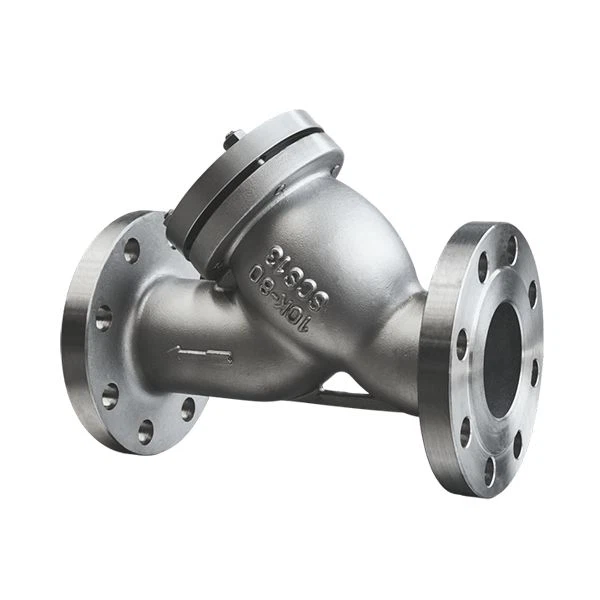
A Y strainer consists of several key components that work together to achieve effective filtration. The main parts include the body, the screen or filter element, the cover, and the drain plug.
The body of the Y strainer is typically made of materials such as cast iron, stainless steel, or ductile iron. The choice of material depends on the specific application and the fluid being filtered. For example, Ductile Iron Y Strainer is a popular option due to its high strength and corrosion resistance. The body is designed in a Y-shaped configuration, which gives the strainer its name. This shape allows for a larger surface area for the screen, which in turn increases the filtration capacity.
The screen or filter element is the heart of the Y strainer. It is responsible for capturing and retaining debris and contaminants from the fluid flowing through the strainer. The screen is usually made of a fine mesh material, such as stainless steel, that can effectively trap particles of a certain size. The size of the mesh is determined by the specific application and the size of the particles that need to be filtered. For example, in a water filtration system, a finer mesh may be required to remove small sediment and impurities.
The cover of the Y strainer provides access to the screen for cleaning and maintenance. It is typically held in place by bolts or clamps and can be easily removed when needed. The drain plug is located at the bottom of the Y strainer and is used to drain any accumulated debris or fluid from the strainer.

Working Principle of a Y Strainer
The working principle of a Y strainer is relatively simple. When fluid enters the strainer through the inlet, it flows through the screen. The screen acts as a barrier, allowing the fluid to pass through while capturing and retaining any debris or contaminants that are larger than the mesh size. The filtered fluid then exits the strainer through the outlet and continues on its way to the downstream equipment.
As the fluid flows through the screen, the debris and contaminants accumulate on the surface of the screen. Over time, this can cause the screen to become clogged, which can reduce the flow rate and efficiency of the strainer. To prevent this from happening, the screen needs to be cleaned regularly. This can be done by removing the cover of the strainer and cleaning the screen with a brush or by backwashing the strainer.
Applications of Y Strainers
Y strainers are used in a wide range of applications across various industries. Some of the common applications include:
- Water Treatment: Y strainers are used in water treatment plants to remove sediment, debris, and other contaminants from the water before it is treated. This helps to protect the treatment equipment and ensure the quality of the treated water.
- HVAC Systems: In heating, ventilation, and air conditioning (HVAC) systems, Y strainers are used to filter the water or refrigerant flowing through the system. This helps to prevent damage to the pumps, valves, and other components of the system.
- Industrial Processes: Y strainers are used in various industrial processes, such as chemical manufacturing, food and beverage processing, and oil and gas production. They help to protect the equipment from damage caused by debris and contaminants and ensure the quality of the final product.
- Power Generation: In power generation plants, Y strainers are used to filter the water used in the cooling systems. This helps to prevent the buildup of scale and corrosion in the pipes and equipment, which can reduce the efficiency of the power generation process.
Advantages of Using Y Strainers
There are several advantages to using Y strainers in industrial and commercial applications. Some of the key advantages include:
- Effective Filtration: Y strainers are highly effective at removing debris and contaminants from the fluid flowing through them. This helps to protect the downstream equipment from damage and ensure the quality of the final product.
- Easy Maintenance: Y strainers are relatively easy to maintain. The screen can be easily removed and cleaned, and the drain plug can be used to drain any accumulated debris or fluid.
- Versatility: Y strainers can be used in a wide range of applications and can be customized to meet the specific requirements of the application. For example, PN10 Y-type Filter is designed for use in systems with a specific pressure rating.
- Cost-Effective: Y strainers are a cost-effective solution for protecting equipment from damage caused by debris and contaminants. They are relatively inexpensive to purchase and install, and their long service life makes them a cost-effective investment.
Conclusion
In conclusion, Y strainers are essential components in various industrial and commercial applications. They work by capturing and retaining debris and contaminants from the fluid flowing through them, which helps to protect the downstream equipment from damage and ensure the quality of the final product. As a Y strainer supplier, we offer a wide range of Y strainers, including Flange Connection Stainless Steel Y Strainer With Ss Filter, to meet the specific needs of our customers.
If you are interested in learning more about our Y strainers or would like to discuss your specific filtration requirements, please feel free to contact us. Our team of experts will be happy to assist you in selecting the right Y strainer for your application and provide you with all the information you need to make an informed decision.
References
- Crane Co. "Flow of Fluids Through Valves, Fittings, and Pipe." Technical Paper No. 410.
- ASME B16.5 "Pipe Flanges and Flanged Fittings."
- ASTM Standards for various materials used in Y strainer construction.