As a supplier associated with Valve, I've had the privilege of delving deep into the intricacies of Valve's game content rating system. Understanding how this system operates is crucial for both game developers and players, as it ensures a safe and appropriate gaming environment. In this blog post, I'll take you through the inner workings of Valve's game content rating system.
The Foundation of Valve's Rating System
Valve's game content rating system is built on a set of well - defined criteria that aim to classify games based on their content. These criteria cover a wide range of aspects, including violence, sexual content, language, and themes. The system is designed to provide players with clear information about what to expect from a game, enabling them to make informed decisions about which games to play.
One of the primary goals of the rating system is to protect players, especially younger ones, from content that may be inappropriate for their age. By assigning ratings, Valve helps parents and guardians monitor and control the games their children access. This is in line with industry standards and regulatory requirements in many countries.
The Rating Process
The rating process begins when a game developer submits their game to Valve for review. Valve has a team of experienced reviewers who are well - versed in the rating criteria. These reviewers play the game thoroughly, paying close attention to all aspects of the content.
During the review, the reviewers assess the level of violence in the game. This includes not only the frequency of violent acts but also the nature of the violence. For example, a game with cartoonish violence may be rated differently from a game with realistic and graphic violence. Sexual content is also carefully evaluated. This can range from mild innuendo to explicit sexual scenes. Language is another important factor, with games containing strong profanity likely to receive a higher rating.
The reviewers also consider the overall themes of the game. Games with themes such as drug use, gambling, or political extremism are subject to more in - depth scrutiny. Based on their assessment, the reviewers assign a rating to the game.
Rating Categories
Valve uses a set of rating categories to communicate the content of a game to players. These categories are designed to be easy to understand and provide a clear indication of the game's suitability for different age groups.
One of the common rating categories is "Everyone." Games in this category are considered suitable for all ages. They typically have no or very mild content that may be considered inappropriate. For example, a simple puzzle game or a cute platformer would likely fall into this category.
The "Teen" category is for games that are suitable for players aged 13 and above. These games may contain more moderate levels of violence, mild language, and some suggestive themes. Many popular adventure and role - playing games are rated as "Teen."
The "Mature" category is for games that are intended for players aged 17 and above. Games in this category often have more intense violence, strong language, and explicit sexual or drug - related content. Some first - person shooter games and adult - themed role - playing games fall into this category.

The Role of Community Feedback
In addition to the internal review process, Valve also takes community feedback into account. Players can provide feedback on a game's rating through various channels on the Steam platform. If a large number of players believe that a game has been mis - rated, Valve will re - evaluate the game.
This community - driven approach helps to ensure the accuracy and fairness of the rating system. It also gives players a voice in the process, making them feel more involved in maintaining a safe gaming environment.
How Our Products Fit into the Ecosystem
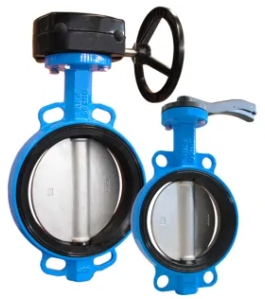
As a Valve supplier, our products play an important role in the overall gaming ecosystem. For example, we provide high - quality components for the hardware that is used to play games. Our Good Performance Of Butterfly Valve ensures smooth operation of the cooling systems in gaming PCs, which is crucial for maintaining optimal performance during long gaming sessions.
Our One Stem No - pin Lug Butterfly Valve is used in the water - cooling systems of many gaming rigs. Its innovative design provides efficient water flow and reduces the risk of leaks, which can damage the expensive hardware components.
The center line - type butterfly valve is another product that we offer. This valve is used in the air - cooling systems of gaming consoles, helping to regulate the temperature and ensure that the console runs at its best.
Benefits for Game Developers
For game developers, the Valve rating system provides a clear framework for creating games. By understanding the rating criteria, developers can design their games in a way that meets the expectations of the target audience. This can help them avoid potential issues with mis - rating and ensure that their games are accessible to the right players.
The rating system also provides a level of credibility for games. A well - rated game is more likely to be trusted by players, which can lead to increased sales and a better reputation in the gaming community.
Benefits for Players
Players benefit greatly from the Valve rating system. They can easily identify games that are suitable for their age and personal preferences. This saves them time and effort in searching for games that they will enjoy without being exposed to inappropriate content.
The rating system also helps to create a safer and more family - friendly gaming environment. Parents can use the ratings to make informed decisions about which games their children can play, giving them peace of mind.
Future Developments
Valve is constantly looking to improve its game content rating system. As the gaming industry evolves and new types of content emerge, the rating criteria may need to be updated. Valve is likely to incorporate new technologies, such as artificial intelligence, to assist in the rating process. This could help to speed up the review process and make it more accurate.
In addition, Valve may expand its rating system to cover more aspects of game content, such as microtransactions and in - game advertising. This would provide players with even more information about the games they are considering playing.
Conclusion
Valve's game content rating system is a comprehensive and well - thought - out mechanism that plays a vital role in the gaming industry. It protects players, provides guidance for game developers, and contributes to a safer and more enjoyable gaming environment.
As a Valve supplier, we are proud to be part of this ecosystem. Our products help to support the hardware that enables players to enjoy games, and we are committed to providing the highest quality components.
If you are interested in our products and would like to discuss a potential purchase, we encourage you to reach out to us. We look forward to the opportunity to work with you and contribute to the continued success of the gaming industry.
References
- Industry reports on game content rating systems
- Valve's official documentation on game content ratings