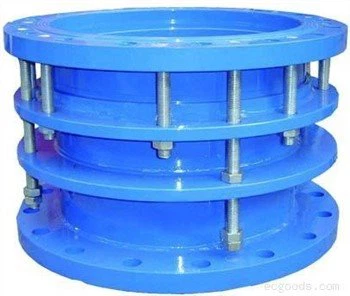
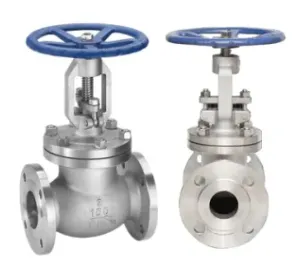
As a reputable supplier of parallel gate valves, ensuring the integrity of these essential components is paramount. Parallel gate valves are widely used in various industries, including oil and gas, water treatment, and chemical processing. Their ability to provide a tight seal and reliable flow control makes them a popular choice for many applications. In this blog post, I will share some valuable insights on how to check the integrity of a parallel gate valve.
Visual Inspection
The first step in checking the integrity of a parallel gate valve is a thorough visual inspection. This involves examining the valve body, bonnet, stem, and other components for any signs of damage, corrosion, or wear. Look for cracks, dents, or leaks in the valve body, as these can indicate structural weaknesses. Check the bonnet bolts for tightness and ensure that the bonnet is properly seated on the valve body.
Inspect the stem for signs of bending or excessive wear. A bent stem can cause the valve to operate incorrectly, while excessive wear can lead to leaks and reduced performance. Look for any signs of corrosion or pitting on the stem, as these can also affect its functionality.
Examine the gate and seats for any signs of damage or wear. The gate should be smooth and free of any scratches or grooves, and the seats should provide a tight seal. If the gate or seats show signs of damage, they may need to be replaced.
Pressure Testing
Pressure testing is an essential part of checking the integrity of a parallel gate valve. This involves subjecting the valve to a specified pressure to ensure that it can withstand the operating conditions. There are two main types of pressure testing: hydrostatic testing and pneumatic testing.
Hydrostatic testing involves filling the valve with a liquid, usually water, and applying pressure to the valve until it reaches the specified test pressure. The valve is then held at this pressure for a specified period of time to allow any leaks to be detected. Hydrostatic testing is typically used for valves that will be used in liquid applications.
Pneumatic testing involves filling the valve with a gas, usually air or nitrogen, and applying pressure to the valve until it reaches the specified test pressure. The valve is then held at this pressure for a specified period of time to allow any leaks to be detected. Pneumatic testing is typically used for valves that will be used in gas applications.
When performing a pressure test, it is important to follow the manufacturer's instructions and industry standards. Use a calibrated pressure gauge to ensure accurate readings, and monitor the valve closely for any signs of leaks or other issues. If a leak is detected during the pressure test, the valve should be repaired or replaced before it is put into service.
Function Testing
Function testing is another important step in checking the integrity of a parallel gate valve. This involves operating the valve to ensure that it opens and closes smoothly and provides a tight seal. Function testing can be performed manually or using a valve actuation system.
To perform a manual function test, use a wrench or other suitable tool to open and close the valve. Observe the valve's operation and listen for any unusual noises or vibrations. The valve should open and close smoothly without any binding or excessive force. If the valve does not operate correctly, it may need to be adjusted or repaired.
If the valve is equipped with a valve actuation system, such as an electric or pneumatic actuator, perform a function test using the actuator. Follow the manufacturer's instructions for operating the actuator, and monitor the valve's operation closely. The actuator should open and close the valve smoothly and accurately, and the valve should provide a tight seal.
Leak Testing
Leak testing is an important part of checking the integrity of a parallel gate valve. This involves detecting any leaks that may occur between the valve body and the bonnet, the stem and the packing, or the gate and the seats. There are several methods for leak testing a parallel gate valve, including visual inspection, pressure testing, and the use of leak detection equipment.


Visual inspection is the simplest method of leak testing. This involves examining the valve for any signs of leaks, such as drips or puddles of fluid. Look for leaks around the valve body, bonnet, stem, and other components. If a leak is detected, it should be repaired immediately.
Pressure testing can also be used to detect leaks in a parallel gate valve. This involves subjecting the valve to a specified pressure and monitoring it for any signs of pressure drop. If the pressure drops below the specified level, it may indicate a leak in the valve.
The use of leak detection equipment, such as ultrasonic leak detectors or helium mass spectrometers, can provide a more accurate and reliable method of leak testing. These devices can detect even the smallest leaks in the valve, and they can be used to locate the source of the leak.
Maintenance and Inspection Schedule
To ensure the long-term integrity of a parallel gate valve, it is important to establish a regular maintenance and inspection schedule. This schedule should include visual inspections, pressure testing, function testing, and leak testing at regular intervals. The frequency of these inspections and tests will depend on the operating conditions, the type of valve, and the manufacturer's recommendations.
In addition to regular inspections and tests, it is important to perform routine maintenance on the valve. This includes lubricating the stem and other moving parts, tightening the bonnet bolts, and replacing any worn or damaged components. By performing regular maintenance and inspections, you can identify and address any issues before they become major problems, and you can ensure that the valve continues to operate safely and reliably.
Conclusion
Checking the integrity of a parallel gate valve is an important part of ensuring its safe and reliable operation. By performing a thorough visual inspection, pressure testing, function testing, and leak testing, you can identify any issues with the valve and take appropriate action to address them. Establishing a regular maintenance and inspection schedule can also help to ensure the long-term integrity of the valve.
If you are in the market for a parallel gate valve, we offer a wide range of high-quality valves to meet your needs. Our products include the F5 Gate Valve, the Rising Stem Flanged Gate Valve Z41H, and the Manufacturers Ductile Iron Resilient Flanged Gate Valve. Contact us today to learn more about our products and how we can help you with your valve needs.
References
- Valve Handbook, 4th Edition, by Cameron Engineering & Manufacturing Co., Inc.
- Pipeline Rules of Thumb Handbook, 5th Edition, by Roland K. Johnson
- ASME B16.34 - Valves - Flanged, Threaded, and Welding End
- API 600 - Steel Gate, Globe, and Check Valves for Petroleum, Petrochemical, and Related Industries