When it comes to the operation of butterfly valves, selecting the right actuator based on torque requirements is crucial. As a butterfly valve supplier, I've encountered numerous customers facing challenges in this area. In this blog, I'll share some insights on how to choose an appropriate actuator for a butterfly valve according to its torque needs.
Understanding Torque Requirements in Butterfly Valves
Torque is the rotational force needed to open or close a butterfly valve. It is influenced by several factors, including the valve size, the type of disc material, the pressure differential across the valve, and the friction within the valve components.


- Valve Size: Generally, larger butterfly valves require more torque to operate. As the diameter of the valve increases, the surface area of the disc exposed to the fluid pressure also grows. This means that a greater force is needed to turn the disc and open or close the valve. For example, a DN200 butterfly valve will typically demand more torque than a DN50 one.
- Disc Material: Different disc materials have different weights and coefficients of friction. A heavy - duty metal disc may need more torque to rotate compared to a lightweight plastic disc. For instance, a stainless - steel disc in a high - pressure application will have a higher torque requirement than a PVC disc in a low - pressure system.
- Pressure Differential: The difference in pressure between the inlet and the outlet of the valve is a significant factor. A high pressure differential creates a greater force acting on the valve disc, making it more difficult to turn. In a system with a large pressure drop, the actuator must be capable of providing sufficient torque to overcome this force.
- Friction: Friction within the valve, such as between the disc and the seat, and in the stem bearings, also contributes to the torque requirement. Worn - out components or improper lubrication can increase friction, thereby raising the torque needed for operation.
Types of Actuators for Butterfly Valves
There are several types of actuators available for butterfly valves, each with its own characteristics and torque - delivery capabilities.
- Manual Actuators: These are the simplest form of actuators, usually operated by a handwheel or a lever. Manual actuators are suitable for small - sized butterfly valves with low torque requirements, such as those used in domestic or light - industrial applications. They are cost - effective and easy to install. However, they are not suitable for applications where frequent operation or high torque is required.
- Electric Actuators: Electric actuators use an electric motor to provide the rotational force. They are popular due to their precision, ease of control, and ability to be integrated into automated systems. Electric actuators can be programmed to open or close the valve at specific times or in response to certain signals. They are available in a wide range of torque ratings, making them suitable for various valve sizes and applications. For example, in a water treatment plant, electric actuators can be used to control the flow of water through large - diameter butterfly valves.
- Pneumatic Actuators: Pneumatic actuators use compressed air to generate torque. They are known for their fast operation and high - torque output. Pneumatic actuators are commonly used in industrial applications where rapid valve actuation is required, such as in chemical plants or oil refineries. They are also relatively simple and reliable, but they require a source of compressed air.
- Hydraulic Actuators: Hydraulic actuators use hydraulic fluid to transmit power. They can provide extremely high torque, making them suitable for very large or high - pressure butterfly valves. Hydraulic actuators are often used in heavy - duty applications, such as in power plants or large - scale industrial processes. However, they are more complex and expensive than other types of actuators, and they require a hydraulic power unit.
Calculating Torque Requirements
To choose the right actuator, you first need to calculate the torque requirement of the butterfly valve. There are several methods to do this:
- Manufacturer's Data: Most butterfly valve manufacturers provide torque curves or tables for their products. These data are based on laboratory tests and real - world applications. By referring to the manufacturer's data, you can get an estimate of the torque required for a specific valve size, pressure rating, and disc material.
- Engineering Calculations: In some cases, you may need to perform engineering calculations to determine the torque requirement. This involves considering the factors mentioned above, such as pressure differential, disc area, and friction. There are also software tools available that can help with these calculations. For example, if you know the pressure differential across the valve and the diameter of the disc, you can calculate the force acting on the disc and then estimate the torque needed to rotate it.
Selecting the Actuator Based on Torque
Once you have determined the torque requirement of the butterfly valve, you can select the appropriate actuator.
- Torque Rating: The actuator should have a torque rating that is equal to or greater than the calculated torque requirement of the valve. It is recommended to choose an actuator with a slightly higher torque rating to account for any unexpected factors, such as increased friction over time or a sudden increase in pressure differential.
- Actuator Type: Consider the type of actuator based on the application requirements. For example, if you need precise control and automation, an electric actuator may be the best choice. If fast operation and high torque are required, a pneumatic or hydraulic actuator may be more suitable.
- Compatibility: Ensure that the actuator is compatible with the butterfly valve. This includes the mounting dimensions, the stem size, and the type of connection. Some actuators are designed to be directly mounted on the valve, while others may require additional adapters or brackets.
Examples of Butterfly Valves and Their Actuator Selection
Let's take a look at some examples of different types of butterfly valves and how to select the appropriate actuators based on their torque requirements.
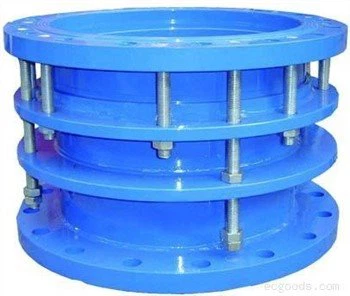
- Expansion Flanged Butterfly Valve: Expansion Flanged Butterfly Valve is often used in systems where thermal expansion needs to be accommodated. These valves can be large in size and may operate under high pressure. For a large - diameter expansion flanged butterfly valve in a high - pressure steam system, a hydraulic actuator may be the best choice due to its high - torque output.
- LUG Butterfly Valve: LUG Butterfly Valve is commonly used in piping systems where the valve needs to be installed between two flanges. For a medium - sized LUG butterfly valve in a water distribution system, an electric actuator may be suitable. It can provide precise control and can be easily integrated into the overall control system of the water network.
- PVC Butterfly Valve PVC: PVC Butterfly Valve PVC is lightweight and corrosion - resistant, often used in low - pressure applications such as in irrigation systems or domestic water supply. A manual actuator or a small - sized electric actuator may be sufficient for these valves, as they have relatively low torque requirements.
Conclusion
Choosing the right actuator for a butterfly valve based on its torque requirement is a critical step in ensuring the proper operation of the valve. By understanding the factors that affect torque, calculating the torque requirement accurately, and selecting the appropriate actuator type and size, you can optimize the performance of your butterfly valve system.
If you are in the market for butterfly valves and need assistance in selecting the right actuator, feel free to contact us. We, as a professional butterfly valve supplier, have extensive experience in this field and can provide you with the best solutions tailored to your specific needs. Let's discuss your requirements and start a successful procurement journey together.
References
- "Valve Handbook" by E. W. Miller
- "Butterfly Valve Technology and Applications" by various industry experts