As a trusted globe valve supplier, I understand the critical importance of maintaining high - quality standards, especially when it comes to food - grade applications. Globe valves are widely used in the food and beverage industry due to their excellent flow control capabilities. However, ensuring that these valves are properly cleaned to meet food - grade standards is essential for the safety and quality of the products passing through them.
Understanding Food - Grade Standards for Globe Valves
Before delving into the cleaning process, it's crucial to have a clear understanding of what food - grade standards entail. Food - grade standards are regulations set to ensure that materials and equipment coming into contact with food are safe and do not contaminate the food products. For globe valves, this means that the valve materials must be non - toxic, resistant to corrosion, and easy to clean.
Typically, food - grade globe valves are made from materials such as stainless steel, which is known for its durability and resistance to rust and corrosion. These valves should also have smooth surfaces to prevent the accumulation of food particles, bacteria, and other contaminants.
Pre - Cleaning Preparation
Inspection
The first step in cleaning a globe valve is to conduct a thorough inspection. Check for any visible signs of damage, such as cracks, leaks, or worn - out parts. If any damage is detected, it's important to repair or replace the affected components before proceeding with the cleaning process. This will not only ensure the effectiveness of the cleaning but also prevent potential issues during operation.
Disassembly
Once the valve has been inspected, it's time to disassemble it. Carefully remove all the parts of the globe valve, including the bonnet, stem, disc, and seat. Keep all the parts organized and labeled to ensure easy reassembly later. Different types of globe valves may have different disassembly procedures. For example, a Type B Screw Globe Valve may have a unique screw - based mechanism that requires special attention during disassembly.
Safety Precautions
Before starting the cleaning process, it's essential to take appropriate safety precautions. Wear protective gear such as gloves, goggles, and a face mask to prevent exposure to cleaning chemicals and debris. Ensure that the work area is well - ventilated to avoid inhaling fumes from the cleaning agents.
Cleaning Process
Manual Cleaning
Manual cleaning is often the first step in the cleaning process. Use a soft brush or a cloth to remove any loose dirt, food particles, or debris from the valve parts. Pay special attention to the crevices and hard - to - reach areas where contaminants may accumulate. For stubborn stains, you can use a mild detergent solution. Make sure to rinse the parts thoroughly with clean water after manual cleaning to remove any remaining detergent.
Chemical Cleaning
Chemical cleaning is used to remove more stubborn contaminants and disinfect the valve parts. Select a cleaning agent that is approved for use in food - grade applications. Common cleaning agents include alkaline cleaners, acid cleaners, and sanitizers. Alkaline cleaners are effective in removing organic matter such as fats and proteins, while acid cleaners can be used to remove mineral deposits and scale.
When using chemical cleaners, follow the manufacturer's instructions carefully. Immerse the valve parts in the cleaning solution for the recommended time. Agitate the parts gently to ensure that the cleaning agent reaches all surfaces. After the soaking period, remove the parts from the cleaning solution and rinse them thoroughly with clean water.
Ultrasonic Cleaning
Ultrasonic cleaning is a highly effective method for cleaning small and intricate valve parts. Ultrasonic cleaners use high - frequency sound waves to create tiny bubbles in a cleaning solution. These bubbles collapse near the surface of the valve parts, creating a scrubbing action that removes contaminants.
Place the valve parts in an ultrasonic cleaning tank filled with a suitable cleaning solution. Set the ultrasonic cleaner to the appropriate frequency and time. Ultrasonic cleaning can reach areas that are difficult to access with manual or chemical cleaning methods, ensuring a thorough cleaning of the valve parts. After ultrasonic cleaning, rinse the parts with clean water and dry them with a clean cloth.
Rinsing and Drying
Rinsing
After the cleaning process, it's crucial to rinse the valve parts thoroughly to remove any remaining cleaning agents or contaminants. Use clean, potable water for rinsing. Make sure to rinse all the parts, including the inside of the valve body, the stem, and the disc. Rinse the parts multiple times if necessary to ensure complete removal of the cleaning agents.
Drying
Proper drying is essential to prevent the growth of bacteria and corrosion. Use a clean, lint - free cloth to dry the valve parts. You can also use compressed air to blow dry the parts, especially in hard - to - reach areas. Ensure that all parts are completely dry before reassembly.
Reassembly and Testing
Reassembly
Once the valve parts are clean and dry, it's time to reassemble the globe valve. Follow the disassembly steps in reverse order. Make sure to align the parts correctly and tighten the bolts and nuts to the recommended torque. Lubricate the moving parts, such as the stem and the packing, with a food - grade lubricant to ensure smooth operation.
Testing
After reassembly, conduct a pressure test to ensure that the valve is functioning properly. Apply the recommended pressure to the valve and check for any leaks. If any leaks are detected, disassemble the valve again and check for proper assembly. Make any necessary adjustments and retest the valve until it passes the pressure test.
Maintaining Food - Grade Standards
Regular maintenance is key to maintaining food - grade standards for globe valves. Establish a cleaning and maintenance schedule based on the frequency of use and the type of food products passing through the valve. Inspect the valves regularly for signs of wear and tear, and replace any worn - out parts promptly.
In addition to regular cleaning, it's important to store the valves properly when not in use. Keep the valves in a clean, dry environment to prevent corrosion and contamination.
Conclusion
Cleaning a globe valve to meet food - grade standards is a meticulous process that requires attention to detail and adherence to safety protocols. By following the steps outlined in this blog, you can ensure that your globe valves are clean, safe, and compliant with food - grade regulations.
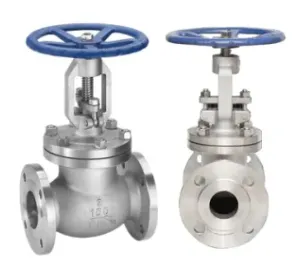
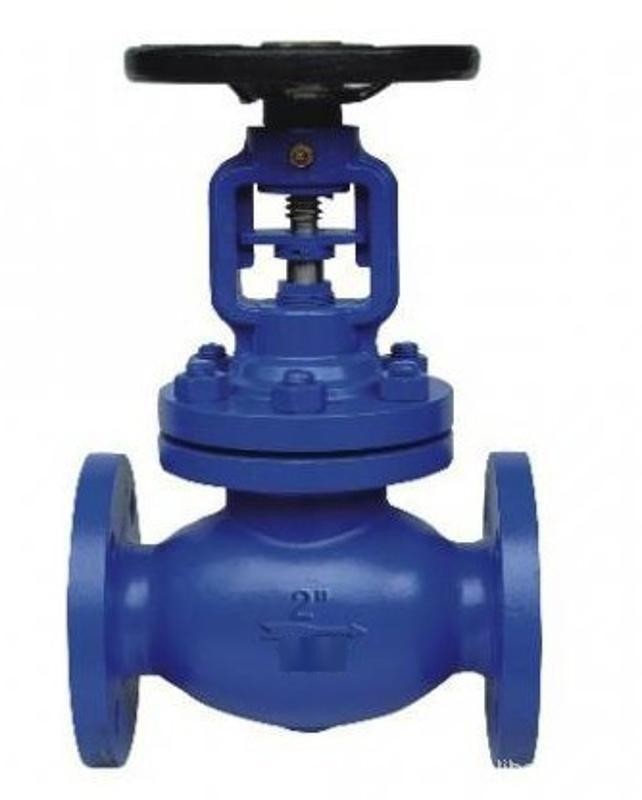
As a globe valve supplier, we offer a wide range of high - quality globe valves, including Stainless Steel Flanged Globe Valve and Bellows Globe Valve, that are suitable for food - grade applications. If you have any questions about our products or need assistance with valve cleaning and maintenance, please do not hesitate to contact us for a purchase negotiation. We are committed to providing you with the best solutions for your valve needs.
References
- ASME BPE (Bioprocessing Equipment) standards
- FDA (Food and Drug Administration) regulations for food - grade equipment
- ISO 22000:2018 Food safety management systems