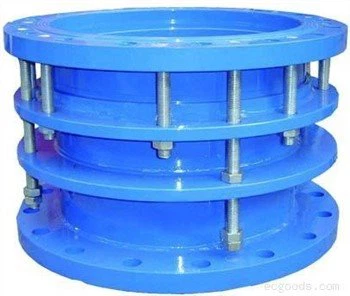
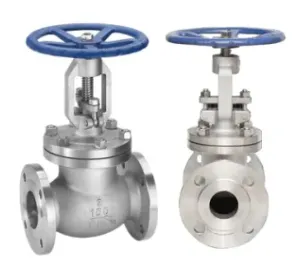
Hey there! As a supplier of Metal Seat Valves, I've seen firsthand how crucial it is to have a valve with high flow capacity. A valve that can efficiently handle the flow of fluids or gases is not only cost - effective but also essential for the smooth operation of many industrial processes. So, in this blog, I'm gonna share some tips on how to improve the flow capacity of a metal seat valve.
1. Optimal Valve Sizing
One of the most fundamental steps in improving flow capacity is getting the valve size right. A valve that's too small will restrict the flow, creating unnecessary pressure drops. On the other hand, an oversized valve can lead to inefficient operation and increased costs.


When selecting the size of a metal seat valve, you need to consider the expected flow rate of the fluid or gas. Look at the process requirements and calculate the required flow based on factors like the pipe diameter, pressure, and temperature. For instance, if you're dealing with a high - volume flow system, a larger valve may be necessary. But make sure to balance it with the actual needs of the system. Our Efficient Ductile Iron Body And Concentric Design Wafer Butterfly Valve comes in various sizes, allowing you to choose the one that best fits your flow requirements.
2. Streamlined Valve Design
The design of the valve plays a huge role in its flow capacity. A well - designed valve will have a smooth internal passage that minimizes turbulence and resistance. Valves with sharp edges, sudden contractions, or expansions can cause the fluid or gas to slow down and create eddies, reducing the overall flow.
For example, a butterfly valve with a concentric design offers better flow characteristics compared to some other valve types. The disc of a concentric butterfly valve rotates in the center of the pipe, providing a relatively straight - through flow path. Our Expansion Flanged Butterfly Valve has a design that's optimized for efficient flow. The flanged ends ensure a secure connection, and the internal structure is engineered to reduce flow resistance.
3. Material Selection
The material of the valve can also impact its flow capacity. Some materials may have a rougher surface finish, which can increase friction and slow down the flow. For metal seat valves, choosing a material with a smooth surface can make a big difference.
Stainless steel is a popular choice as it has a relatively smooth surface and is resistant to corrosion. This means that over time, the valve won't develop pits or roughness that could impede the flow. Additionally, the material should be able to withstand the pressure and temperature of the fluid or gas flowing through it. If the valve material deforms under high pressure, it can change the internal dimensions of the valve and reduce the flow capacity.
4. Proper Installation
Even the best - designed valve won't perform well if it's not installed correctly. During installation, make sure that the valve is properly aligned with the pipes. Misalignment can cause the flow to be disrupted, leading to reduced capacity.
Also, ensure that all the connections are tight and leak - free. A leaky valve can not only waste the fluid or gas but also create an imbalance in the system, affecting the flow. Follow the manufacturer's installation instructions carefully. For example, when installing our Grooved Signal Gear Operated Butterfly Valve, make sure to use the appropriate tools and techniques to ensure a proper fit.
5. Regular Maintenance
Maintenance is key to keeping the flow capacity of a metal seat valve at its best. Over time, valves can accumulate dirt, debris, or corrosion, which can clog the internal passages and reduce the flow.
Regularly inspect the valve for any signs of wear or damage. Clean the valve as needed to remove any build - up. Check the seals and gaskets to ensure they're in good condition. If a seal is worn out, it can cause leaks and affect the flow. Replace any damaged parts promptly to prevent further issues.
6. Flow Control Optimization
Using advanced flow control techniques can also improve the flow capacity of a metal seat valve. For example, you can install a flow control device in conjunction with the valve. This device can adjust the flow rate based on the system requirements.
You can also use a feedback control system. This system monitors the flow and pressure in the system and adjusts the valve position accordingly. By constantly optimizing the valve position, you can ensure that the flow capacity is maximized while maintaining the desired pressure and flow rate.
7. Testing and Monitoring
After implementing all these improvements, it's important to test and monitor the valve's performance. Use flow meters and pressure gauges to measure the actual flow and pressure in the system. Compare the results with the expected values.
If there's a significant difference, it may indicate that there are still issues that need to be addressed. Continuously monitor the valve over time to detect any changes in performance. This way, you can take proactive measures to maintain the flow capacity.
In conclusion, improving the flow capacity of a metal seat valve involves a combination of proper sizing, design, material selection, installation, maintenance, flow control, and monitoring. As a Metal Seat Valve supplier, we're committed to providing high - quality valves that are designed to meet your flow requirements. If you're looking to upgrade your valve system or have any questions about improving flow capacity, don't hesitate to reach out. We're here to help you find the best solutions for your industrial processes. Let's start a conversation and see how we can work together to enhance the efficiency of your systems.
References
- Perry, R. H., & Green, D. W. (Eds.). (1997). Perry's Chemical Engineers' Handbook. McGraw - Hill.
- Valve Handbook: A Guide to Valve Selection, Sizing, and Application.