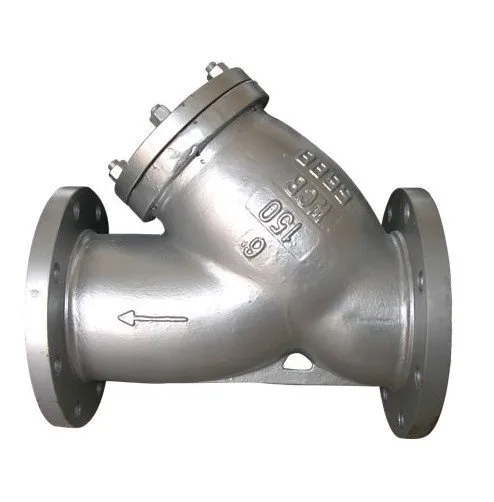
Hey there! As a supplier of PN16 Y Type Filters, I've had my fair share of experiences dealing with these nifty little devices. The PN16 Y Type Filter is a crucial component in many piping systems, used to remove solid particles from liquids and gases, ensuring the smooth operation of downstream equipment. But here's the thing - reliability is key. No one wants a filter that breaks down or fails to do its job when you need it most. So, in this blog, I'm gonna share some tips on how to improve the reliability of a PN16 Y Type Filter.

1. Choose the Right Material
The first step in improving the reliability of your PN16 Y Type Filter is to choose the right material. Different applications require different materials, and using the wrong one can lead to corrosion, wear, and ultimately, filter failure.
For example, in applications where the fluid is corrosive, you might want to consider a SS304 Screen Y Strainer SS304. Stainless steel 304 is known for its excellent corrosion resistance, making it a great choice for harsh environments. On the other hand, if you're working with a less corrosive fluid and cost is a concern, a Cast Iron Y Strainer might be a more suitable option. Cast iron is durable and relatively inexpensive, but it's not as corrosion-resistant as stainless steel.
2. Select the Appropriate Mesh Size
The mesh size of the filter screen plays a crucial role in the filter's performance. A mesh that's too coarse won't capture small particles, while a mesh that's too fine can cause excessive pressure drop and clogging.
To select the appropriate mesh size, you need to consider the size of the particles you want to remove and the flow rate of the fluid. In general, the smaller the particles you need to capture, the finer the mesh size should be. However, you also need to make sure that the mesh size doesn't restrict the flow too much. A good rule of thumb is to consult the manufacturer's guidelines or do some testing to find the optimal mesh size for your application.
3. Ensure Proper Installation
Proper installation is essential for the reliable operation of a PN16 Y Type Filter. Here are some key points to keep in mind:
- Orientation: The filter should be installed in the correct orientation, with the "Y" shape pointing downward. This allows the captured particles to settle at the bottom of the filter, making it easier to clean.
- Support: The filter should be properly supported to prevent vibration and stress on the pipes. This can help prevent leaks and damage to the filter.
- Gaskets and Seals: Make sure to use high-quality gaskets and seals to ensure a tight fit. Leaks can reduce the efficiency of the filter and lead to contamination of the fluid.
4. Implement Regular Maintenance
Regular maintenance is crucial for keeping your PN16 Y Type Filter in good working condition. Here are some maintenance tasks you should perform:
- Inspection: Regularly inspect the filter for signs of damage, such as cracks, corrosion, or wear. Replace any damaged parts immediately.
- Cleaning: Clean the filter screen regularly to remove the captured particles. The frequency of cleaning depends on the application and the amount of debris in the fluid. In some cases, you might need to clean the filter daily, while in others, monthly cleaning might be sufficient.
- Pressure Monitoring: Monitor the pressure drop across the filter regularly. An increase in pressure drop can indicate that the filter is clogged and needs to be cleaned or replaced.
5. Consider Redundancy
In critical applications, it might be a good idea to consider installing redundant filters. Redundancy means having a backup filter that can take over in case the primary filter fails. This can help ensure continuous operation and prevent downtime.
For example, you could install two PN16 Y Type Filters in parallel. When the primary filter needs to be cleaned or replaced, you can switch to the backup filter without interrupting the flow. This can be especially useful in applications where downtime is costly or dangerous.
6. Train Your Staff
Proper training of your staff is essential for the reliable operation of the PN16 Y Type Filter. Make sure your employees know how to install, operate, and maintain the filter correctly. Provide them with training materials and hands-on training to ensure they have the necessary skills and knowledge.
7. Work with a Reputable Supplier
Finally, working with a reputable supplier can make a big difference in the reliability of your PN16 Y Type Filter. A good supplier will provide you with high-quality filters, offer technical support, and stand behind their products.
When choosing a supplier, look for one with a good reputation in the industry, a proven track record of delivering quality products, and excellent customer service. At our company, we're committed to providing our customers with the best possible products and support. We have a wide range of PN16 Y Type Filters, including the PN10 Y-type Filter, and we're always here to help you find the right solution for your application.
In conclusion, improving the reliability of a PN16 Y Type Filter requires a combination of proper material selection, appropriate mesh size, correct installation, regular maintenance, redundancy, staff training, and working with a reputable supplier. By following these tips, you can ensure that your filter performs reliably and efficiently, saving you time and money in the long run.
If you're interested in purchasing a PN16 Y Type Filter or have any questions about improving its reliability, don't hesitate to contact us. We'd be happy to discuss your needs and provide you with a customized solution.
References
- "Industrial Filtration Handbook" by Andrew S. Fissore
- "Piping and Pipeline Engineering" by George A. Antaki