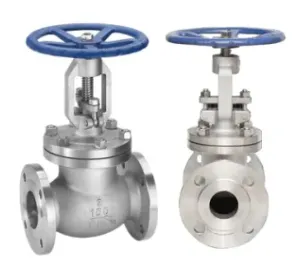
Hey there! I'm a supplier of gate valves, and today I'm gonna walk you through the process of installing a gate valve. Whether you're a DIY enthusiast or a professional plumber, this guide will help you get the job done right.
Before You Start
First things first, you need to gather all the necessary tools and materials. You'll need a gate valve that suits your specific requirements. We offer a wide range of gate valves, like the Rising Stem Gate Valve, F4 Gate Valve F4, and Resilient Seated Gate Valve. Make sure to choose the right size and type for your application.
Other tools you'll need include a pipe cutter, a pipe wrench, Teflon tape, a brush for applying pipe joint compound, and safety equipment like gloves and goggles. Safety should always be your top priority when working with pipes and valves.
Step 1: Shut Off the Water Supply
Before you start any installation work, you must shut off the water supply to the area where you'll be installing the gate valve. This will prevent any water from flowing through the pipes while you're working and causing a mess. Locate the main water shut - off valve for your property and turn it clockwise until it's fully closed.
Step 2: Drain the Pipes
After shutting off the water supply, you need to drain the pipes. Open all the faucets in the area where you'll be working to release any remaining water in the pipes. This will also help to relieve any pressure in the system. You can also open the drain valve at the lowest point of the plumbing system if there is one.
Step 3: Measure and Cut the Pipe
Use a tape measure to determine the length of pipe that needs to be removed to install the gate valve. Mark the pipe at the appropriate points and use a pipe cutter to make a clean, straight cut. Make sure the cut is perpendicular to the axis of the pipe. After cutting, use a deburring tool to remove any sharp edges or burrs from the inside and outside of the pipe.
Step 4: Prepare the Pipe Ends
Once the pipe is cut, it's time to prepare the pipe ends for installation. If you're using threaded pipes, wrap Teflon tape around the male threads in a clockwise direction. Make sure to wrap the tape tightly and evenly, covering all the threads. If you're using a solvent - welded or soldered joint, clean the pipe ends with a pipe cleaner and apply a thin layer of pipe joint compound or flux, depending on the type of joint.
Step 5: Install the Gate Valve
Now it's time to install the gate valve. If you're using a threaded valve, screw the valve onto the pipe ends by hand until it's finger - tight. Then, use a pipe wrench to tighten the valve a little more. Be careful not to over - tighten, as this can damage the threads. If you're using a solvent - welded or soldered joint, follow the manufacturer's instructions for applying the solvent or solder.
Step 6: Check for Leaks
After installing the gate valve, turn the water supply back on slowly. Check all the joints for leaks. If you see any water dripping from the joints, you may need to tighten the connections a little more or re - apply the Teflon tape or pipe joint compound. If the leak persists, you may need to remove the valve and start the installation process again.
Step 7: Test the Valve
Once you've confirmed that there are no leaks, test the gate valve. Open and close the valve a few times to make sure it operates smoothly. The valve should open and close easily, and there should be no excessive resistance. If you notice any problems with the valve's operation, such as difficulty in turning the handle or a leak when the valve is closed, you may need to adjust or replace the valve.
Step 8: Insulate the Valve (Optional)
If you live in an area with cold winters, it's a good idea to insulate the gate valve. This will help prevent the valve from freezing and cracking, which can cause significant damage to your plumbing system. You can use foam pipe insulation or heat - tracing tape to insulate the valve.


Tips and Tricks
- Always read the manufacturer's instructions that come with the gate valve before installation. Different valves may have specific installation requirements.
- If you're unsure about any step of the installation process, it's better to consult a professional plumber.
- Keep all your tools organized and within reach during the installation process. This will make the job go more smoothly.
Why Choose Our Gate Valves?
As a gate valve supplier, we take pride in offering high - quality gate valves. Our Rising Stem Gate Valve is known for its reliable performance and long - lasting durability. The F4 Gate Valve F4 is designed to handle a variety of fluids and is resistant to corrosion. And our Resilient Seated Gate Valve provides a tight seal and smooth operation.
If you're in the market for gate valves, whether for a small home project or a large commercial application, we've got you covered. Our team of experts can help you choose the right valve for your needs and provide you with all the support you need during the installation process.
Contact Us for Purchasing
If you're interested in purchasing our gate valves, we'd love to hear from you. We offer competitive prices, excellent customer service, and fast delivery. Whether you need just one valve or a large quantity for a big project, we can meet your requirements. Contact us today to start a discussion about your gate valve needs. We're here to help you find the perfect solution for your plumbing system.
References
- Plumbing Handbook by John Doe
- Gate Valve Installation Guide by ABC Publishing