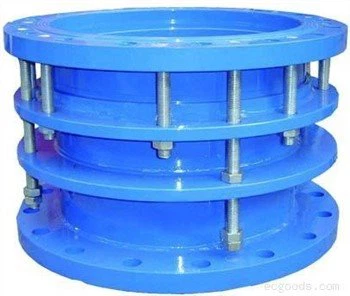
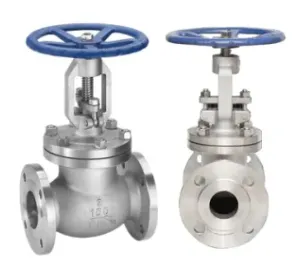
Hey there! As a supplier of Knife Gate Valves, I've seen firsthand how crucial it is to install these valves correctly. A proper installation not only ensures the valve functions efficiently but also extends its lifespan. In this blog, I'll walk you through the step - by - step process of installing a Knife Gate Valve.
Pre - installation Checks
Before you even start with the installation, there are a few things you need to do. First, make sure you've got the right valve for the job. Check the specifications of the Knife Gate Valve against your system requirements. You need to consider factors like the pressure rating, temperature range, and the type of media it will handle.
Inspect the valve thoroughly for any damage that might have occurred during shipping. Look for cracks, dents, or any signs of corrosion. If you find any issues, contact us right away, and we'll sort it out for you.
Also, clean the pipeline where the valve will be installed. Remove any debris, dirt, or rust that could interfere with the valve's operation. A clean pipeline ensures a proper seal and smooth functioning of the valve.
Gathering Tools and Materials
You'll need a few tools and materials for the installation. Here's a basic list:
- Wrenches: You'll need different sizes of wrenches to tighten the bolts. Make sure they fit the valve and flange bolts properly.
- Gaskets: Use high - quality gaskets that are compatible with the valve and the pipeline. The gaskets create a seal between the valve and the pipeline, preventing leaks.
- Sealant: In some cases, you might need a sealant to further enhance the sealing. Just make sure it's suitable for the media and the operating conditions.
- Measuring tools: A tape measure or a caliper can be useful to ensure the valve is installed at the right position and to check the alignment.
Step 1: Positioning the Valve
Once you've got everything ready, it's time to position the valve. First, close the valve completely. This makes it easier to handle and align. Place the valve between the flanges of the pipeline. Make sure the valve is centered and aligned with the pipeline. You can use a measuring tool to double - check the alignment.
If you're installing a large Knife Gate Valve, you might need some help to lift and position it. Use appropriate lifting equipment to avoid any accidents.
Step 2: Installing the Gaskets
After positioning the valve, place the gaskets between the valve flanges and the pipeline flanges. Make sure the gaskets are clean and free from any damage. Align the holes in the gaskets with the holes in the flanges.
Some gaskets come with a pre - applied sealant, while others might require you to apply a sealant yourself. Follow the manufacturer's instructions regarding the use of sealant.
Step 3: Bolting the Valve
Now, insert the bolts through the holes in the flanges and the gaskets. Use washers on both sides of the bolts to distribute the pressure evenly. Start by tightening the bolts loosely in a criss - cross pattern. This helps to ensure even compression of the gaskets.
Once all the bolts are loosely tightened, go back and tighten them further in a criss - cross pattern. Make sure not to over - tighten the bolts, as this can damage the gaskets or the valve flanges. Use a torque wrench to achieve the recommended torque value for the bolts. The torque value depends on the size of the bolts and the valve.
Step 4: Connecting the Actuator (if applicable)
If your Knife Gate Valve comes with an actuator, such as a pneumatic or electric actuator, it's time to connect it. Follow the manufacturer's instructions for the actuator installation. Usually, it involves mounting the actuator on the valve stem and connecting the necessary wiring or piping.
Make sure the actuator is properly aligned with the valve stem. Test the actuator to ensure it can open and close the valve smoothly.
Step 5: Testing the Valve
After the installation is complete, it's crucial to test the valve. First, open and close the valve a few times to make sure it operates smoothly. Check for any signs of binding or resistance.
Next, pressurize the system slowly. Monitor the valve and the connections for any leaks. If you notice any leaks, stop the pressurization immediately and tighten the bolts or replace the gaskets as needed.
Once you're satisfied with the valve's operation and there are no leaks, the installation is complete.
Special Considerations
If you're installing a BS5163 Gate Valve BS5163, you need to follow the specific standards and requirements of BS5163. These valves are designed to meet certain quality and performance criteria, so make sure your installation adheres to these standards.
For Manual Slurry Valve, which are often used in applications involving abrasive slurries, pay extra attention to the sealing and the valve's ability to handle the abrasive media. You might need to use special gaskets and materials to ensure a long - lasting and leak - free operation.
Conclusion
Installing a Knife Gate Valve might seem like a daunting task, but if you follow these steps and take the necessary precautions, you can do it successfully. Remember, a proper installation is key to the valve's performance and longevity.
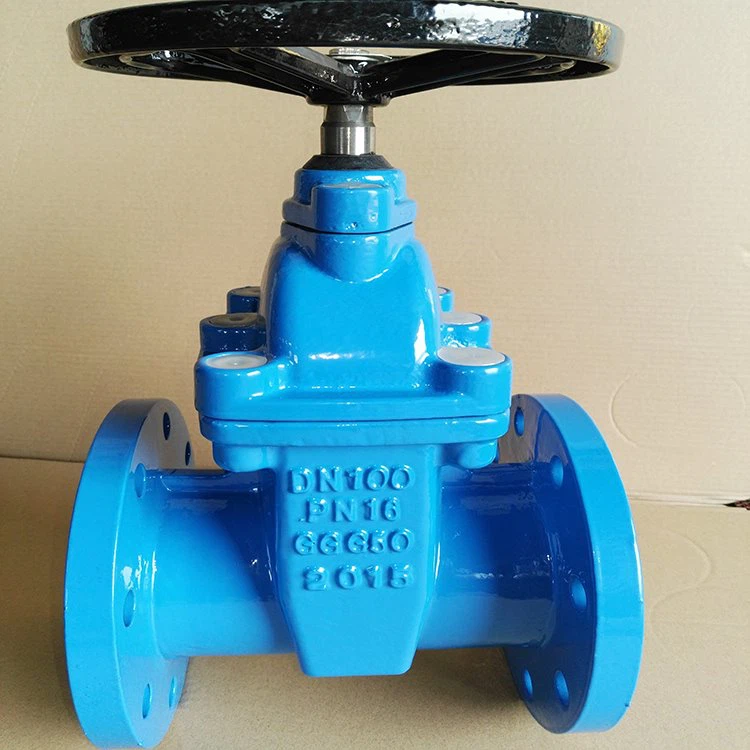

If you have any questions about the installation process or if you're looking to purchase a Knife Gate Valve, feel free to reach out to us. We're here to help you with all your valve needs and can guide you through the selection and installation process.
References
- Valve Installation Manuals
- Industry Standards for Valve Installation