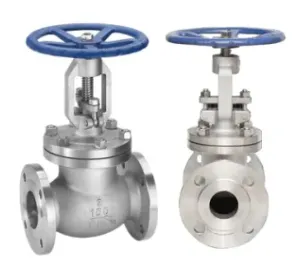
Insulating a gate valve in cold environments is a crucial task that can prevent a variety of issues, such as freezing, damage to the valve components, and reduced efficiency. As a gate valve supplier, I've seen firsthand the importance of proper insulation in maintaining the functionality and longevity of these essential components. In this blog post, I'll share some practical tips on how to insulate a gate valve effectively in cold conditions.
Understanding the Need for Insulation
Before diving into the insulation process, it's important to understand why insulation is necessary. In cold environments, water or other fluids within the gate valve can freeze. When water freezes, it expands, which can lead to significant pressure build - up inside the valve. This pressure can cause the valve body, seats, or stems to crack or break, rendering the valve inoperable. Additionally, freezing can also lead to reduced flow rates and increased energy consumption as the system has to work harder to overcome the blockage.
Selecting the Right Insulation Material
The first step in insulating a gate valve is choosing the appropriate insulation material. There are several options available, each with its own advantages and disadvantages.
Fiberglass Insulation
Fiberglass is a popular choice for valve insulation. It is relatively inexpensive, easy to install, and has good thermal resistance properties. Fiberglass insulation comes in various forms, such as blankets or boards. It can be wrapped around the gate valve and secured with tape or wire. However, fiberglass can be irritating to the skin and lungs, so proper protective gear should be worn during installation.
Foam Insulation
Foam insulation, such as closed - cell foam, is another excellent option. It provides a high level of thermal insulation and is also resistant to moisture. Closed - cell foam can be cut to fit the shape of the gate valve and can be adhered using a suitable adhesive. It is also more flexible than fiberglass, which makes it easier to conform to irregular shapes.
Reflective Insulation
Reflective insulation consists of a layer of aluminum foil or other reflective material. It works by reflecting radiant heat away from the valve. This type of insulation is often used in combination with other materials for added protection. Reflective insulation can be particularly effective in reducing heat loss due to radiation.
Preparing the Valve for Insulation
Before applying the insulation, the gate valve should be properly prepared.

Cleaning the Valve
The valve surface should be cleaned to remove any dirt, grease, or rust. A clean surface ensures better adhesion of the insulation material. You can use a wire brush or a suitable cleaning solvent to clean the valve.
Checking for Leaks
Inspect the valve for any leaks. Leaking valves can cause moisture to accumulate within the insulation, reducing its effectiveness and potentially leading to corrosion. If any leaks are detected, they should be repaired before insulation.
Insulating the Gate Valve
Once the valve is prepared, it's time to apply the insulation.
Wrapping the Valve
If using fiberglass or foam blankets, start by wrapping the insulation around the valve body. Make sure to cover the entire valve, including the bonnet, stem, and flanges. Overlap the insulation material to ensure there are no gaps. Secure the insulation with tape or wire at regular intervals.
Using Pre - formed Insulation
Some insulation products come in pre - formed shapes that are specifically designed for gate valves. These can be easily installed by simply placing them over the valve. They often have a snap - on or Velcro closure for easy installation and removal.
Insulating the Piping
Don't forget to insulate the piping connected to the gate valve. Heat can be transferred through the pipes, so insulating them will help maintain a consistent temperature around the valve. Use the same insulation material as for the valve and ensure a proper seal at the pipe - valve connection.
Additional Considerations
Weather Protection
In outdoor applications, the insulation should be protected from the elements. You can use a weather - resistant outer layer, such as a plastic or rubber jacket, to prevent water and snow from penetrating the insulation.
Monitoring
Regularly monitor the temperature around the valve, especially during extreme cold weather. You can use a temperature sensor to keep track of the temperature. If the temperature drops too low, additional insulation or a heating system may be required.
Related Products
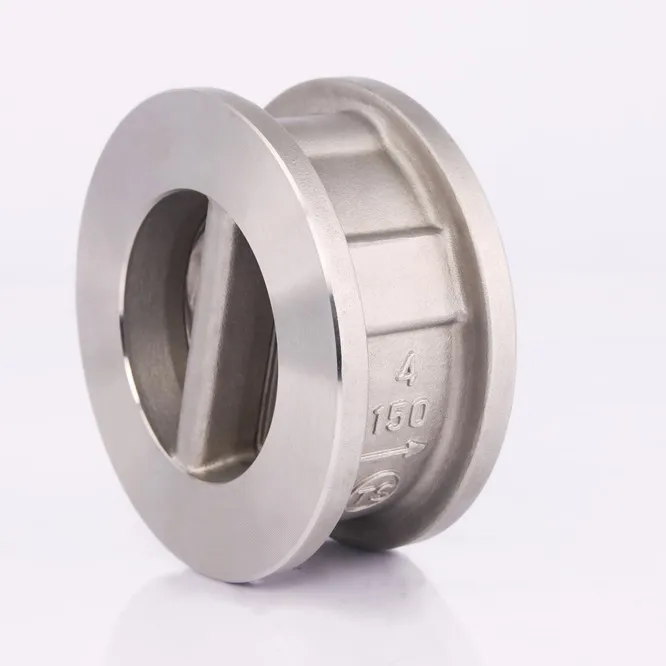
As a gate valve supplier, we offer a wide range of high - quality gate valves, including 150LB Check Valve, Rubber Seat Gate Valve, and Manual Rising Stem Knife Gate Valves. These valves are designed to perform well in various environments, and proper insulation can further enhance their performance in cold conditions.
Contact for Purchase and Consultation
If you're interested in purchasing gate valves or need more information on valve insulation, we're here to help. Our team of experts can provide you with detailed advice on the best insulation methods for your specific application and recommend the most suitable gate valves for your needs. Contact us to start the discussion and explore the possibilities for your project.
References
- ASHRAE Handbook - Fundamentals. American Society of Heating, Refrigerating and Air - Conditioning Engineers.
- Insulation Installation Guidelines. National Insulation Association.
- Valve Maintenance and Operation Manuals. Various valve manufacturers.