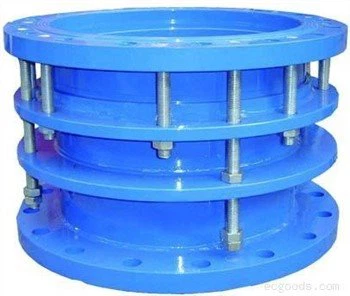
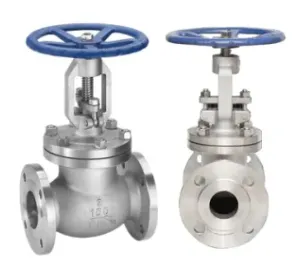
As a trusted supplier of parallel gate valves, I understand the significance of proper maintenance and protection to ensure the longevity and optimal performance of these essential industrial components. One of the most effective ways to enhance the protection of parallel gate valves is through painting. In this blog post, I will share some valuable insights and practical tips on how to paint a parallel gate valve for better protection.
Understanding the Importance of Painting
Painting a parallel gate valve serves multiple purposes. Firstly, it acts as a protective barrier against corrosion, which is one of the most common causes of valve failure. Corrosion can weaken the valve's structure, leading to leaks, reduced functionality, and ultimately, costly repairs or replacements. A high - quality paint coating can prevent moisture, chemicals, and other corrosive agents from coming into direct contact with the valve's surface, thus extending its service life.
Secondly, painting can improve the valve's aesthetic appearance. In industrial settings, a well - painted valve not only looks more professional but also indicates that the equipment is well - maintained. This can be particularly important for companies that prioritize safety and quality control, as a clean and well - painted valve is often associated with reliable operation.
Selecting the Right Paint
The choice of paint is crucial for achieving the best protection for your parallel gate valve. Here are some factors to consider when selecting paint:
Chemical Resistance
Depending on the operating environment of the valve, you need to choose a paint that can withstand exposure to various chemicals. For example, if the valve is used in a chemical processing plant, you may need a paint that is resistant to acids, alkalis, or solvents. Epoxy - based paints are often a good choice for such applications, as they offer excellent chemical resistance.
Weather Resistance
If the valve is installed outdoors, it will be exposed to different weather conditions, including sunlight, rain, and temperature fluctuations. In this case, you should select a paint that has good weather resistance. Acrylic - based paints are known for their ability to resist fading, cracking, and peeling under harsh weather conditions.
Adhesion
The paint must adhere well to the valve's surface to provide long - lasting protection. Before painting, it is essential to ensure that the valve's surface is clean, dry, and free of rust, grease, and other contaminants. Some paints come with special adhesion promoters that can enhance the bond between the paint and the valve surface.
Preparing the Valve Surface
Proper surface preparation is the key to a successful painting job. Here are the steps to prepare the parallel gate valve surface:
Cleaning
Start by cleaning the valve thoroughly to remove any dirt, dust, grease, or oil. You can use a degreaser and a wire brush to scrub the surface. For stubborn contaminants, you may need to use a solvent. Rinse the valve with clean water and allow it to dry completely.
Rust Removal
If there is any rust on the valve surface, it must be removed before painting. You can use a rust remover or sandpaper to remove the rust. For more severe rust, a power grinder or sandblasting may be required. After rust removal, make sure to clean the surface again to remove any rust particles.
Surface Roughening
To improve the paint adhesion, it is recommended to roughen the valve surface slightly. You can use sandpaper or a wire brush to create a rough texture on the surface. This will provide more surface area for the paint to adhere to.
Painting Process
Once the valve surface is properly prepared, you can start the painting process. Here are the steps:

Primer Application
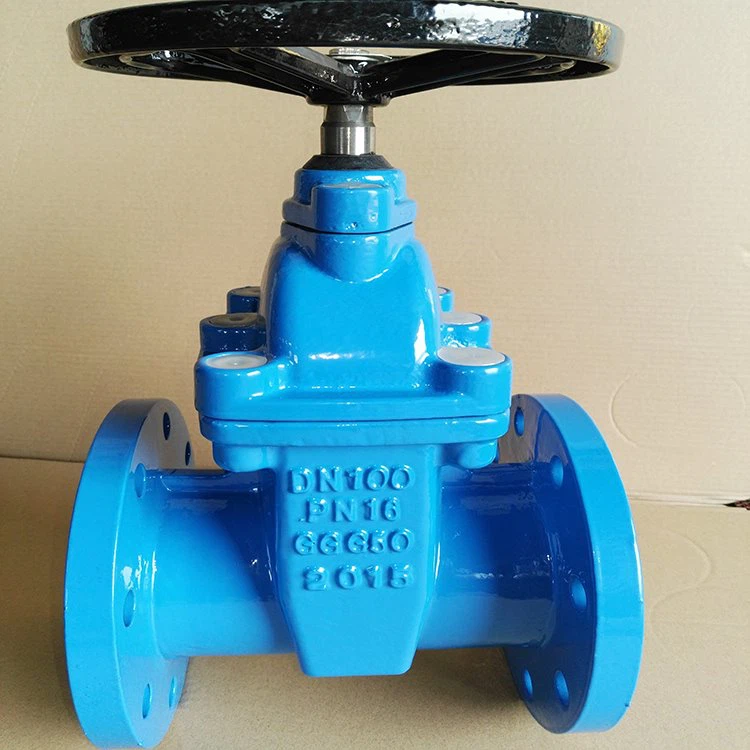
Apply a primer to the valve surface. The primer serves as a base coat that helps the paint adhere better and provides additional protection against corrosion. Use a brush or a spray gun to apply the primer evenly. Follow the manufacturer's instructions regarding the drying time of the primer.
Paint Application
After the primer has dried, apply the top - coat paint. You can choose between a brush, roller, or spray gun, depending on the size and shape of the valve. When using a brush, make sure to apply the paint in smooth, even strokes. If using a spray gun, keep the gun at a consistent distance from the valve surface to ensure uniform coverage. Apply multiple thin coats of paint rather than one thick coat, as this will result in a more durable and smooth finish. Allow each coat to dry completely before applying the next one.
Curing
After the final coat of paint has been applied, allow the valve to cure according to the paint manufacturer's instructions. Curing time can vary depending on the type of paint and environmental conditions. During the curing process, make sure the valve is kept in a clean and dry environment.
Post - Painting Inspection
After the paint has cured, conduct a thorough inspection of the valve. Check for any signs of uneven paint coverage, drips, or bubbles. If you find any defects, you can sand the area gently and apply an additional coat of paint.
Conclusion
Painting a parallel gate valve is a cost - effective way to enhance its protection and extend its service life. By selecting the right paint, properly preparing the valve surface, and following the correct painting process, you can ensure that your valve is well - protected against corrosion and other environmental factors.
As a parallel gate valve supplier, we offer a wide range of high - quality valves, including BS5163 Gate Valve BS5163, Manufacturers Ductile Iron Resilient Flanged Gate Valve, and Steel Round Gate. If you are interested in our products or need more information on valve painting and maintenance, please feel free to contact us for procurement and further discussion.
References
- "Handbook of Corrosion Protection" by David A. Jones
- "Industrial Painting and Coating Technology" by Mark S. Peterson