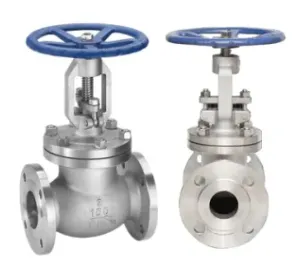
Valve stem corrosion is a common headache for many users of Rising Stem Gate Valves. As a supplier of these valves, I've seen firsthand how corrosion can lead to all sorts of problems, from reduced valve performance to costly replacements. In this blog, I'll share some tips on how to prevent valve stem corrosion in a Rising Stem Gate Valve.
Understanding Valve Stem Corrosion
Before we dive into prevention methods, it's important to understand what causes valve stem corrosion. Corrosion is essentially a chemical reaction between the metal of the valve stem and its environment. In the case of Rising Stem Gate Valves, factors like moisture, chemicals in the fluid being controlled, and exposure to air can all contribute to corrosion.
Moisture is a major culprit. When water comes into contact with the valve stem, it can cause oxidation, which leads to rust. This is especially true in humid environments or when the valve is used in applications where it's regularly exposed to water, like in water treatment plants or in marine settings.
Chemicals in the fluid can also be corrosive. For example, if the valve is used to control the flow of acidic or alkaline fluids, these substances can eat away at the valve stem over time. Even small amounts of these chemicals can cause significant damage if the valve is exposed to them for long periods.
Choosing the Right Materials
One of the most effective ways to prevent valve stem corrosion is to choose the right materials for the valve. Different materials have different levels of resistance to corrosion, so it's important to select a valve stem material that's suitable for the specific application.
Stainless steel is a popular choice for valve stems because it's highly resistant to corrosion. It contains chromium, which forms a thin, protective layer on the surface of the metal that prevents oxygen and moisture from reaching the underlying material. There are different grades of stainless steel, so make sure to choose one that's appropriate for the level of corrosion risk in your application.
Brass is another option. It's relatively inexpensive and has good corrosion resistance, especially in applications where the fluid is not highly corrosive. Brass valve stems are often used in residential and commercial plumbing systems.
For more extreme applications, materials like titanium or nickel alloys can be used. These materials offer excellent corrosion resistance but are also more expensive.
As a supplier, I offer a range of Rising Stem Gate Valves made from different materials to suit various applications. For example, our Cast Iron Brass Sealed Rising Stem Gate Valves are a great choice for applications where corrosion is not a major concern, while our F4 Gate Valve F4 is designed for more demanding applications.
Proper Installation and Maintenance
Proper installation and maintenance are also crucial for preventing valve stem corrosion. During installation, make sure the valve is installed correctly and that all connections are tight. A loose connection can allow moisture and chemicals to seep in and cause corrosion.
It's also important to keep the valve clean. Regularly wipe down the valve stem to remove any dirt, debris, or moisture that may have accumulated on it. If the valve is used in a dirty or dusty environment, consider using a protective cover to keep it clean.
In addition to cleaning, lubrication is also important. Lubricating the valve stem helps to reduce friction and prevent wear, which can expose the metal to corrosion. Use a high-quality lubricant that's suitable for the valve material and the application.
Regular inspections are also essential. Check the valve stem for signs of corrosion, such as rust or pitting, on a regular basis. If you notice any signs of corrosion, take action immediately to prevent it from getting worse.
Environmental Protection
Another way to prevent valve stem corrosion is to protect the valve from the environment. If the valve is installed outdoors, consider using a shelter or enclosure to protect it from the elements. This can help to reduce its exposure to moisture and other corrosive substances.
In some cases, you may also want to consider using a corrosion inhibitor. A corrosion inhibitor is a chemical that can be added to the fluid or applied to the valve stem to prevent corrosion. There are different types of corrosion inhibitors available, so make sure to choose one that's suitable for the valve material and the application.
Monitoring and Testing
Finally, it's important to monitor and test the valve regularly to ensure that it's operating properly and that there are no signs of corrosion. You can use non-destructive testing methods, such as ultrasonic testing or magnetic particle testing, to detect any hidden corrosion or defects in the valve stem.
Regularly monitoring the performance of the valve can also help you to identify any potential problems early on. For example, if you notice that the valve is becoming harder to operate or if there's a change in the flow rate, it could be a sign of corrosion or other problems.
Conclusion
Preventing valve stem corrosion in a Rising Stem Gate Valve requires a combination of choosing the right materials, proper installation and maintenance, environmental protection, and monitoring and testing. By following these tips, you can extend the lifespan of your valve and ensure that it operates safely and efficiently.


As a supplier of Rising Stem Gate Valves, I'm here to help you choose the right valve for your application and provide you with the support and advice you need to prevent valve stem corrosion. If you're interested in learning more about our products or have any questions about valve stem corrosion prevention, please don't hesitate to [contact us](insert contact details here) for a free consultation. We're always happy to help you find the best solution for your needs.
References
- "Valve Handbook" by Robert A. Streeter
- "Corrosion Prevention and Control" by Pierre R. Roberge
- Industry standards and guidelines related to valve manufacturing and corrosion prevention