Gate valves are widely used in various industries for controlling the flow of liquids and gases. As a gate valve supplier, I understand the importance of ensuring these valves operate smoothly. However, like any mechanical device, gate valves can encounter problems. In this blog, I'll share some practical tips on how to troubleshoot a gate valve effectively.
1. Understanding the Basics of Gate Valves
Before diving into troubleshooting, it's essential to have a basic understanding of gate valves. Gate valves work by raising or lowering a gate (a flat or wedge - shaped disc) to control the flow. When the gate is fully raised, the valve is open, allowing unrestricted flow. When the gate is fully lowered, it blocks the flow path, closing the valve.


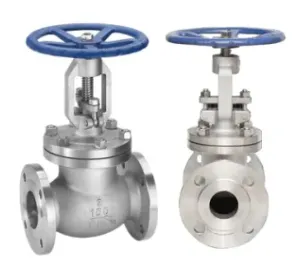
There are different types of gate valves, such as the Rising Stem Flanged Gate Valve Z41H, Knife Gate Valve, and Manufacturers Ductile Iron Resilient Flanged Gate Valve. Each type has its unique design and application, which can affect the troubleshooting process.
2. Common Problems and Troubleshooting Steps
2.1 Valve Won't Open or Close
-
Possible Causes
- Mechanical Blockage: Debris, such as dirt, scale, or foreign objects, can get stuck between the gate and the valve seat, preventing the gate from moving freely.
- Stem Damage: The valve stem may be bent, broken, or corroded, which can disrupt the transmission of the turning force from the actuator to the gate.
- Actuator Failure: If the valve is operated by an actuator (e.g., electric, pneumatic), a malfunction in the actuator can prevent the valve from opening or closing.
-
Troubleshooting Steps
- Inspect for Blockage: First, visually inspect the valve for any visible debris. If possible, remove the valve cover and check the interior. If debris is found, carefully clean it using appropriate tools, such as a brush or a scraper.
- Check the Stem: Examine the valve stem for signs of damage. If it is bent or broken, the stem may need to be replaced. Corroded stems can sometimes be cleaned and lubricated to restore functionality.
- Test the Actuator: If the valve is actuator - operated, check the power supply (for electric actuators) or the air pressure (for pneumatic actuators). Follow the manufacturer's instructions to test the actuator's operation. If the actuator is faulty, it may need to be repaired or replaced.
2.2 Leakage
-
Possible Causes
- Seat Damage: The valve seats can be damaged due to wear and tear, corrosion, or improper installation. A damaged seat will not provide a tight seal, resulting in leakage.
- Gasket Failure: The gaskets between the valve body and the bonnet or flange connections can deteriorate over time, leading to leakage.
- Cracked Valve Body: In some cases, the valve body may develop cracks due to excessive pressure, thermal stress, or physical impact.
-
Troubleshooting Steps
- Inspect the Seats: Remove the valve cover and examine the valve seats for damage. If minor damage is detected, the seats can sometimes be resurfaced. However, if the damage is severe, the seats may need to be replaced.
- Check the Gaskets: Inspect the gaskets for signs of wear, such as cracks, tears, or compression set. Replace any damaged gaskets with new ones of the appropriate size and material.
- Look for Cracks in the Valve Body: Conduct a visual inspection of the valve body for cracks. If a crack is found, the valve may need to be replaced, as repairing a cracked valve body is often not a reliable solution.
2.3 Excessive Torque Required to Operate the Valve
-
Possible Causes
- Lack of Lubrication: Insufficient lubrication in the valve stem, gland packing, or other moving parts can increase friction, making it difficult to operate the valve.
- Binding in the Stem or Gate: The stem or gate may be binding due to misalignment, corrosion, or debris accumulation.
- Incorrect Valve Sizing: If the valve is undersized for the application, it may experience higher pressure differentials, requiring more torque to operate.
-
Troubleshooting Steps
- Lubricate the Valve: Apply an appropriate lubricant to the valve stem, gland packing, and other moving parts. Make sure to use a lubricant that is compatible with the valve materials and the fluid being handled.
- Check for Binding: Inspect the stem and gate for signs of binding. If misalignment is detected, adjust the valve components to ensure proper alignment. Clean any debris that may be causing the binding.
- Verify Valve Sizing: Review the valve specifications and the application requirements. If the valve is undersized, consider replacing it with a properly sized valve.
3. Preventive Maintenance
To minimize the occurrence of gate valve problems, preventive maintenance is crucial. Here are some preventive maintenance measures:
- Regular Inspection: Conduct regular visual inspections of the valve for signs of wear, corrosion, or damage. Check the valve operation periodically to ensure it is functioning properly.
- Lubrication: Follow the manufacturer's recommendations for lubricating the valve components at the appropriate intervals.
- Cleaning: Keep the valve and its surrounding area clean to prevent the accumulation of debris.
- Proper Installation: Ensure that the valve is installed correctly according to the manufacturer's instructions. Improper installation can lead to premature failure of the valve.
4. When to Seek Professional Help
While many gate valve problems can be resolved through basic troubleshooting, there are situations where professional help is necessary. If you encounter any of the following issues, it is advisable to contact a qualified technician:
- Complex Actuator Problems: If the actuator malfunction involves complex electrical or pneumatic systems, it is best to have a professional diagnose and repair it.
- Severe Valve Damage: In cases where the valve body is severely cracked or the internal components are extensively damaged, professional repair or replacement may be required.
- Safety Concerns: If the valve is in a critical application or if there are safety concerns associated with the troubleshooting process, it is important to involve professionals.
5. Conclusion
Troubleshooting a gate valve requires a systematic approach and a good understanding of the valve's operation and common problems. By following the steps outlined in this blog, you can effectively diagnose and resolve many gate valve issues. As a gate valve supplier, I am committed to providing high - quality valves and technical support to ensure the smooth operation of your systems.
If you are facing problems with your gate valves or are interested in purchasing high - quality gate valves, I encourage you to contact us for further discussion and procurement. Our team of experts is ready to assist you in finding the most suitable solutions for your needs.
References
- Valve Handbook, Various Editions
- Manufacturer's Technical Documents for Gate Valves