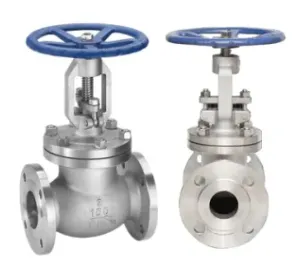
As a supplier of parallel gate valves, I've seen my fair share of these valves in action over the years. Parallel gate valves are widely used in various industries due to their simple design and reliable performance. However, like any mechanical device, they are prone to certain failure modes. In this blog, I'll share some of the common failure modes of parallel gate valves based on my experience.
1. Seat Leakage
One of the most common issues with parallel gate valves is seat leakage. The seats of a parallel gate valve are where the valve closes to stop the flow of fluid. Over time, these seats can get damaged, leading to leakage.
There are a few reasons for seat damage. First, the fluid flowing through the valve might contain abrasive particles. These particles can scratch the seat surface as they pass by, gradually wearing it down. For example, in a mining operation where the fluid might carry sand and small rocks, the seats of the parallel gate valves are at a high risk of this kind of damage.


Another cause could be corrosion. If the fluid is corrosive, it can eat away at the seat material. This is especially true in chemical processing plants where acids and alkalis are commonly used. Once the seat is corroded, it won't form a proper seal, and leakage will occur.
If you're looking for a reliable parallel gate valve to minimize the risk of seat leakage, you might want to check out our Rising Stem Flanged Gate Valve Z41H. It's designed with high - quality seat materials that can resist abrasion and corrosion to a great extent.
2. Stem Failure
The stem of a parallel gate valve is responsible for moving the gate up and down to open and close the valve. Stem failure can be a major problem.
One common cause of stem failure is excessive force. If the valve is operated with too much force, for example, by using an oversized wrench or a power - operated tool with too high torque, the stem can bend or break. This is often a result of improper operation by untrained personnel.
Fatigue is another factor. With repeated opening and closing of the valve, the stem can experience stress cycles. Over time, these stress cycles can cause cracks to form in the stem. Once a crack appears, it can grow, and eventually, the stem will fail.
Our F5 Gate Valve has a well - designed stem that is made of high - strength materials. It's engineered to withstand normal operating forces and reduce the risk of fatigue failure.
3. Gate Sticking
Gate sticking is a frustrating problem that can prevent the valve from opening or closing properly. There are several reasons for gate sticking.
Deposits can build up on the gate and the valve body. In some industrial processes, the fluid might carry solids that can settle on the gate. For instance, in a wastewater treatment plant, sludge can accumulate on the gate, making it difficult to move.
Lubrication issues can also lead to gate sticking. If the valve is not lubricated regularly, the friction between the gate and the valve body will increase. This can cause the gate to get stuck in place.
To avoid gate sticking, our Non stem Flanged Gate Valve Z45H is designed with smooth surfaces and proper lubrication channels. This helps to keep the gate moving freely and reduces the chance of sticking.
4. Body Cracking
The valve body is the outer shell that holds all the internal components. Body cracking can be a serious issue as it can lead to fluid leakage and even system failure.
Thermal stress is one of the main causes of body cracking. If the valve is exposed to rapid temperature changes, for example, in a steam system where the valve might go from cold to hot very quickly, the material of the valve body can expand and contract unevenly. This can create internal stresses that eventually lead to cracking.
External impacts can also cause body cracking. If the valve is accidentally hit during installation or maintenance, it can develop cracks.
When choosing a parallel gate valve, it's important to select one with a strong and durable body. Our valves are made from high - quality materials that can withstand thermal stress and external impacts better than many other valves on the market.
5. Packing Leakage
The packing in a parallel gate valve is used to prevent fluid from leaking along the stem. Packing leakage is a common problem.
Over time, the packing material can wear out. The constant movement of the stem against the packing can cause it to break down. Also, if the packing is not properly installed or tightened, it won't form a good seal, and leakage will occur.
In addition, environmental factors can affect the packing. For example, high temperatures can cause the packing material to dry out and lose its sealing properties.
We offer parallel gate valves with high - quality packing materials that are designed to last longer and provide better sealing. Our technical team can also provide guidance on proper packing installation and maintenance to minimize the risk of leakage.
How to Avoid These Failures
To avoid these common failure modes, proper installation, operation, and maintenance are crucial.
During installation, make sure the valve is installed correctly according to the manufacturer's instructions. This includes proper alignment, correct tightening of bolts, and appropriate support for the valve.
When it comes to operation, train your personnel properly. They should know how to operate the valve with the right amount of force and follow the correct procedures.
Regular maintenance is also essential. This includes inspecting the valve for signs of wear, corrosion, or damage, lubricating moving parts, and replacing worn - out components in a timely manner.
If you're in the market for high - quality parallel gate valves that are designed to minimize these failure modes, we're here to help. We have a wide range of parallel gate valves to meet different application requirements. Whether you need a valve for a small - scale project or a large industrial system, we can provide the right solution for you.
If you're interested in our products or have any questions about parallel gate valves, don't hesitate to contact us for a purchase negotiation. We're looking forward to working with you to ensure the smooth operation of your systems.
References
- Valve Handbook, 4th Edition by E. Richard Brown
- Industrial Valves: Selection and Sizing by J. Paul Tullis