As a supplier of Rising Stem Gate Valves, I've witnessed firsthand the pivotal role these valves play in various industrial applications. Rising Stem Gate Valves are designed to control the flow of liquids and gases in pipelines by raising or lowering a gate within the valve body. However, like any mechanical device, they are prone to certain failures that can disrupt operations and lead to costly repairs. In this blog post, I'll discuss some of the common failures of Rising Stem Gate Valves and provide insights on how to prevent them.

1. Sealing Failure
One of the most prevalent issues with Rising Stem Gate Valves is sealing failure. This occurs when the valve fails to create a tight seal, allowing fluid to leak past the gate. There are several reasons why sealing failure may occur:
- Wear and Tear: Over time, the sealing surfaces of the gate and seat can become worn or damaged due to friction, erosion, or corrosion. This can result in a loss of sealing integrity and lead to leaks. For example, in applications where the fluid contains abrasive particles, the sealing surfaces may be eroded more quickly, reducing the effectiveness of the seal.
- Improper Installation: Incorrect installation of the valve can also cause sealing problems. If the valve is not properly aligned or tightened, the gate may not seat correctly, leading to leaks. Additionally, using the wrong type of gasket or not installing it correctly can compromise the seal.
- Temperature and Pressure Fluctuations: Extreme temperature and pressure changes can cause the valve components to expand or contract, affecting the sealing performance. For instance, if the valve is exposed to high temperatures, the materials may expand, causing the gate to bind or the seal to break.
To prevent sealing failure, it's essential to choose high-quality valves with durable sealing materials. Regular maintenance, including inspection and replacement of worn parts, is also crucial. Proper installation by trained professionals and following the manufacturer's guidelines can help ensure a proper seal.
2. Stem Binding
Stem binding is another common problem in Rising Stem Gate Valves. The stem is responsible for raising and lowering the gate, and if it becomes stuck or binds, the valve may not operate correctly. There are several factors that can contribute to stem binding:
- Dirt and Debris: Accumulation of dirt, dust, or other debris in the stem threads or guideways can prevent the stem from moving smoothly. In industrial environments, where the air may be contaminated with particles, this can be a significant issue. For example, in a mining operation, dust can enter the valve and cause the stem to bind.
- Corrosion: Corrosion of the stem or the stem nut can also lead to binding. When the metal corrodes, it can form rough surfaces that impede the movement of the stem. This is particularly common in applications where the valve is exposed to moisture or corrosive chemicals.
- Mechanical Damage: Physical damage to the stem, such as bending or denting, can cause it to bind. This can occur during installation, handling, or normal operation. For example, if the valve is accidentally hit or dropped, the stem may be damaged.
To prevent stem binding, regular cleaning and lubrication of the stem and stem nut are essential. Using corrosion-resistant materials for the stem and stem nut can also help reduce the risk of corrosion. Additionally, proper handling and installation of the valve can prevent mechanical damage.
3. Gate Jamming
Gate jamming is a serious issue that can render the valve inoperable. When the gate becomes jammed, it cannot be fully opened or closed, which can disrupt the flow of fluid in the pipeline. There are several reasons why gate jamming may occur:
- Foreign Objects: The presence of foreign objects in the valve body can prevent the gate from moving freely. For example, if a piece of debris or a tool is left inside the pipeline during installation or maintenance, it may get caught between the gate and the seat, causing the gate to jam.
- Gate Misalignment: If the gate is not properly aligned within the valve body, it may become jammed. This can happen due to improper installation or damage to the valve components. For instance, if the valve is subjected to external forces, such as vibration or impact, the gate may become misaligned.
- Build-up of Deposits: In some applications, deposits such as scale, sediment, or sludge can accumulate on the gate or in the valve body. Over time, these deposits can build up to the point where they prevent the gate from moving. For example, in a water treatment plant, scale may form on the gate, causing it to jam.
To prevent gate jamming, it's important to ensure that the pipeline is clean before installing the valve. Regular inspection and cleaning of the valve to remove any foreign objects or deposits can also help prevent this issue. Proper alignment during installation and regular maintenance to check for any signs of misalignment are essential.
4. Actuator Failure
In automated Rising Stem Gate Valves, the actuator is responsible for operating the valve. Actuator failure can prevent the valve from opening or closing, leading to significant operational problems. There are several factors that can cause actuator failure:
- Electrical Issues: In electric actuators, electrical problems such as short circuits, loose connections, or motor failures can prevent the actuator from functioning correctly. For example, if the electrical wiring is damaged or exposed to moisture, it can cause a short circuit, disabling the actuator.
- Mechanical Wear: The mechanical components of the actuator, such as gears, bearings, and linkages, can wear out over time. This can lead to reduced performance or complete failure of the actuator. In applications where the actuator is frequently operated, the wear and tear may be more pronounced.
- Lack of Maintenance: Neglecting regular maintenance of the actuator can also contribute to failure. Failure to lubricate the moving parts, check the electrical connections, or replace worn components can lead to premature failure.
To prevent actuator failure, regular maintenance of the actuator is essential. This includes checking the electrical system, lubricating the mechanical components, and replacing any worn parts. Using high-quality actuators from reputable manufacturers and following the maintenance schedule can help ensure reliable operation.
5. Cavitation
Cavitation is a phenomenon that can occur in Rising Stem Gate Valves, especially in applications where there is a significant pressure drop across the valve. Cavitation happens when the pressure of the fluid drops below its vapor pressure, causing vapor bubbles to form. When these bubbles collapse, they can create high-pressure shock waves that can damage the valve components.
- High Pressure Drop: In applications where the valve is used to control a high-pressure fluid and there is a large pressure difference between the inlet and outlet, cavitation is more likely to occur. For example, in a water supply system where the valve is used to regulate the flow from a high-pressure source to a low-pressure area, cavitation may be a problem.
- Improper Valve Sizing: Using a valve that is too small for the application can also lead to cavitation. When the valve is undersized, the fluid velocity through the valve is higher, increasing the likelihood of cavitation.
To prevent cavitation, it's important to select the right size of valve for the application. Valves with anti-cavitation trims or designs can also be used to reduce the risk of cavitation. Additionally, monitoring the pressure drop across the valve and adjusting the operating conditions if necessary can help prevent cavitation.
Our Product Solutions
As a supplier of Rising Stem Gate Valves, we offer a wide range of high-quality valves to meet the diverse needs of our customers. Our Ductile Cast Iron DN50 - 200 Groove Type Rising Stem Wedge Gate Valve For Fire Fighting is designed specifically for fire protection systems, providing reliable performance and a tight seal. The ductile cast iron construction ensures durability, and the groove type design makes installation easy.
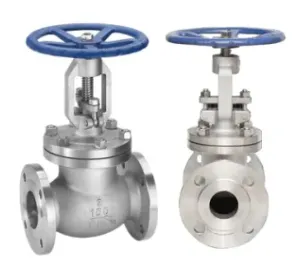
We also offer American Standard Flanged Gate Valves that meet the highest industry standards. These valves are suitable for a variety of applications, including water treatment, oil and gas, and chemical processing. The flanged design provides a secure connection and easy installation.
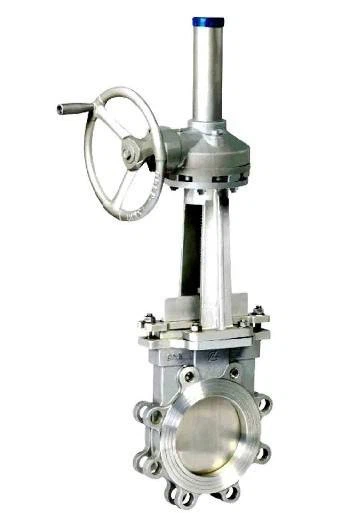
For applications where a more robust valve is required, our Manual Lug Type Knife Gate Valve is an excellent choice. It is designed to handle tough applications, such as slurries and abrasive fluids. The lug type design allows for easy installation between flanges, and the knife gate provides a reliable shut-off.
Contact Us for Purchasing
If you're facing issues with your current Rising Stem Gate Valves or are in the market for new valves, we're here to help. Our team of experts can provide you with professional advice on valve selection, installation, and maintenance. We are committed to providing high-quality products and excellent customer service. Contact us today to discuss your requirements and start a purchasing negotiation.
References
- Valve Handbook, Second Edition, by J. Paul Tullis
- Industrial Valves: A Guide to Selection and Application, by James F. Davis