Hey there! As a gate valve supplier, I've seen my fair share of gate valve failures over the years. In this blog, I'm gonna talk about some of the common failures of gate valves and what you can do to prevent them.
1. Sealing Failure
One of the most common issues with gate valves is sealing failure. This can happen in a few different ways.
Leakage through the Seat
The seat of a gate valve is where the gate makes contact to form a seal. Over time, the seat can get damaged due to erosion, corrosion, or the presence of debris in the fluid. For example, in a pipeline carrying abrasive slurries, the particles in the slurry can wear away the seat material. When the seat is damaged, it can't form a tight seal with the gate, and this leads to leakage.
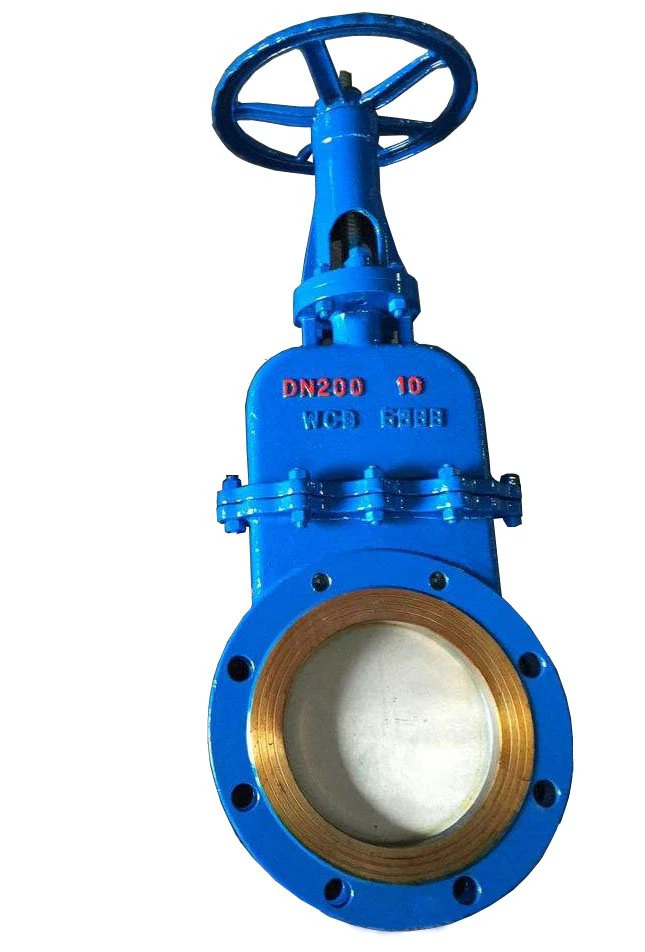
If you're dealing with abrasive fluids, you might want to consider a Knife Gate Valve. These valves are designed to cut through thick, viscous, and abrasive media, and they often have replaceable seats, which can be a great solution if seat damage is a concern.
Stem Seal Leakage
The stem of the gate valve is what connects the actuator (like a handwheel or an electric motor) to the gate. There are seals around the stem to prevent fluid from leaking out along the stem. These seals can fail due to aging, improper installation, or high - pressure conditions.
If the packing material used in the stem seal dries out or gets compressed unevenly, it won't be able to stop the leakage. Regular maintenance, such as repacking the stem seals, can help prevent this kind of failure.
2. Gate Sticking
Gate sticking is another headache for many gate valve users.
Deposits on the Gate
In pipelines where the fluid contains solids or has a tendency to form deposits, these substances can build up on the gate. For instance, in a water treatment plant where the water has a high mineral content, calcium and magnesium deposits can accumulate on the gate. This makes it difficult for the gate to move up and down smoothly, and in severe cases, it can get completely stuck.
A Manual Slurry Valve is designed to handle fluids with solids. These valves usually have a design that minimizes the chance of solids getting trapped and causing the gate to stick. They often have a smooth - walled body and a gate that can cut through any deposits.
Misalignment
During installation, if the valve is not properly aligned with the pipeline, the gate may not move freely. This can happen if the flanges are not bolted evenly or if there is some mechanical stress on the valve body. Even a slight misalignment can cause the gate to bind against the guides or the seat, making it hard to operate.
It's crucial to follow the installation instructions carefully and use proper alignment tools to ensure that the valve is installed correctly.
3. Corrosion
Corrosion is a major enemy of gate valves, especially in harsh environments.
External Corrosion
The outside of the valve can be exposed to the elements, such as moisture, chemicals in the air, or soil if it's buried underground. Over time, this can lead to rust and corrosion of the valve body and other external components. For example, in a coastal area where the air is salty, the salt can accelerate the corrosion process.
To prevent external corrosion, valves can be coated with anti - corrosion paints or have a protective layer. Some valves are also made from corrosion - resistant materials like stainless steel or coated with materials like epoxy.

Internal Corrosion
Inside the valve, the fluid flowing through can cause corrosion. If the fluid is acidic, alkaline, or contains corrosive chemicals, it can eat away at the gate, seat, and other internal parts. For example, in a chemical processing plant where acids are being transported, the valve components need to be made from materials that can withstand the corrosive effects of the acid.
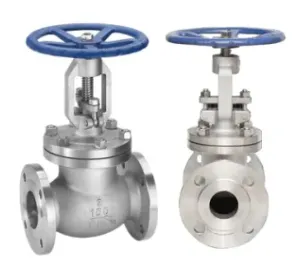
The F4 Gate Valve F4 is often used in corrosive environments. The F4 material (PTFE) has excellent chemical resistance, which makes it suitable for handling a wide range of corrosive fluids.
4. Actuator Failure
The actuator is what makes the gate move up and down. If the actuator fails, the valve can't be operated properly.
Motor Failure (for Electric Actuators)
In electric actuators, the motor can fail due to overheating, electrical short - circuits, or mechanical problems. For example, if the motor is overloaded because the gate is stuck, it can burn out. Regular maintenance, such as checking the motor's electrical connections and lubricating the moving parts, can help prevent motor failure.
Hydraulic or Pneumatic System Issues (for Hydraulic or Pneumatic Actuators)
In hydraulic or pneumatic actuators, problems can occur in the fluid supply system. Leaks in the hydraulic lines, clogged filters, or low pressure in the pneumatic system can all prevent the actuator from working correctly. It's important to regularly inspect the hydraulic or pneumatic systems and replace any worn - out components.
How to Prevent These Failures
Preventing these common gate valve failures requires a combination of proper selection, installation, and maintenance.
- Proper Selection: Choose the right type of valve for your application. Consider factors like the type of fluid, pressure, temperature, and the presence of solids or corrosive substances. As I mentioned earlier, different valves are designed for different conditions, so make sure you pick the one that suits your needs.
- Correct Installation: Follow the manufacturer's installation instructions carefully. Use proper alignment tools, torque the bolts to the correct specifications, and make sure the valve is installed in the right orientation.
- Regular Maintenance: Schedule regular maintenance checks. This includes inspecting the valve for signs of wear, corrosion, or leakage, lubricating the moving parts, and replacing any worn - out components.
If you're facing any issues with your gate valves or if you're in the market for new ones, don't hesitate to reach out. We're here to help you find the best solutions for your needs. Whether it's a Knife Gate Valve, a F4 Gate Valve F4, or a Manual Slurry Valve, we've got a wide range of high - quality gate valves to choose from. Let's have a chat about your requirements and find the perfect valve for your application.
References
- Valve Handbook, Second Edition, by J. Paul Tullis
- Industrial Valves: Design and Application, by Robert E. Smith