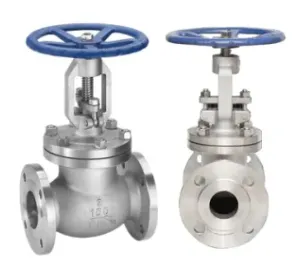
As a supplier of Flat Gate Valves, understanding the common maintenance issues associated with these essential components is crucial. In this blog post, I'll delve into the typical problems that users encounter with Flat Gate Valves, provide insights on how to address them, and offer some preventive maintenance tips.
1. Sealing Leakage
One of the most prevalent issues with Flat Gate Valves is sealing leakage. This can occur at several locations, including the seat, stem packing, and body joints.
Seat leakage is often caused by factors such as wear and tear on the valve seats. Over time, the constant contact between the gate and the seats during opening and closing operations can lead to surface erosion. Particulates in the fluid flowing through the valve can also cause abrasion on the seats, compromising the seal. For instance, in a mining application where the fluid may contain sand and other abrasive materials, seat leakage can become a recurring problem.
Stem packing leakage is another common concern. The stem packing is responsible for preventing fluid from leaking along the valve stem. If the packing material deteriorates due to age, high temperatures, or chemical exposure, it can no longer provide an effective seal. In some industrial processes where the valve is exposed to corrosive chemicals, the packing material may degrade rapidly, leading to leakage.
Body joint leakage can happen if the gaskets between the valve body sections are not properly installed or if they have been damaged. Vibration, thermal expansion and contraction, and improper torque during installation can all contribute to body joint leakage.
To address sealing leakage, regular inspection is key. For seat leakage, if the damage is minor, the seats can be resurfaced. However, in cases of severe damage, the seats may need to be replaced. When it comes to stem packing leakage, replacing the packing material with a suitable one for the specific application can solve the problem. For body joint leakage, checking and tightening the bolts to the correct torque or replacing the damaged gaskets can be effective solutions.
2. Gate Sticking
Gate sticking is another significant maintenance issue. This occurs when the gate fails to move smoothly during opening or closing operations. There are several reasons behind gate sticking.
One primary cause is the build - up of debris or scale inside the valve. In water treatment plants, for example, minerals and sediments in the water can accumulate on the gate and the valve body, restricting the gate's movement. Rust can also be a culprit, especially in valves exposed to a humid environment or corrosive substances.
Another factor is misalignment. If the valve is installed incorrectly or if there is excessive external force acting on the valve, the gate may become misaligned with the seats and guides. This misalignment can cause the gate to bind and prevent it from opening or closing properly.
To address gate sticking, first, isolate the valve and relieve the pressure. Then, try to remove the debris or scale by flushing the valve with a suitable cleaning fluid. In cases of rust, using rust - removers can help. If misalignment is the issue, realigning the valve according to the manufacturer's specifications is necessary.
3. Actuator Failure
Many Flat Gate Valves are equipped with actuators to automate the opening and closing process. Actuator failure can disrupt the normal operation of the valve.
Electrical actuators may fail due to issues with the motor, control circuits, or power supply. For example, a burned - out motor or a short - circuit in the control circuit can prevent the actuator from functioning correctly. In outdoor applications, electrical actuators are also vulnerable to weather conditions, such as moisture ingress, which can damage the internal components.
Pneumatic actuators can experience problems like air leaks, worn seals, or blockages in the air passages. A leak in the air supply line can reduce the actuator's power, making it unable to operate the valve effectively. Worn seals can cause a loss of pressure, also leading to actuator malfunction.
Hydraulic actuators may face issues such as fluid leaks, filter clogging, or problems with the pump. A leak in the hydraulic fluid can reduce the pressure required to operate the actuator, while a clogged filter can impede the flow of hydraulic fluid.
To troubleshoot actuator failure, start by checking the power or supply source. For electrical actuators, test the motor and control circuits for continuity. In pneumatic actuators, inspect the air lines for leaks and the seals for wear. In hydraulic actuators, check for fluid leaks, ensure the filter is clean, and test the pump's functionality.
4. Corrosion
Corrosion is a major concern for Flat Gate Valves, especially in harsh environments. The valve body, gate, seats, and other components can be affected by corrosion, which can weaken the structure of the valve and reduce its performance.
In corrosive chemical plants, valves may be exposed to acids, alkalis, and other corrosive substances. These chemicals can react with the metal surfaces of the valve, causing rust and pitting. In marine applications, the saltwater environment can also accelerate corrosion.
To prevent corrosion, selecting the right valve material is crucial. For highly corrosive environments, valves made of stainless steel, alloy steel, or other corrosion - resistant materials should be used. Coating the valve components with anti - corrosion paints or applying protective platings can also provide an additional layer of protection. Regular inspection and cleaning of the valve to remove any corrosive deposits can also help to extend the valve's lifespan.
5. Wear of Internal Components
The internal components of Flat Gate Valves, such as the gate, seats, and guides, are subject to wear due to the constant friction and mechanical stress during operation.
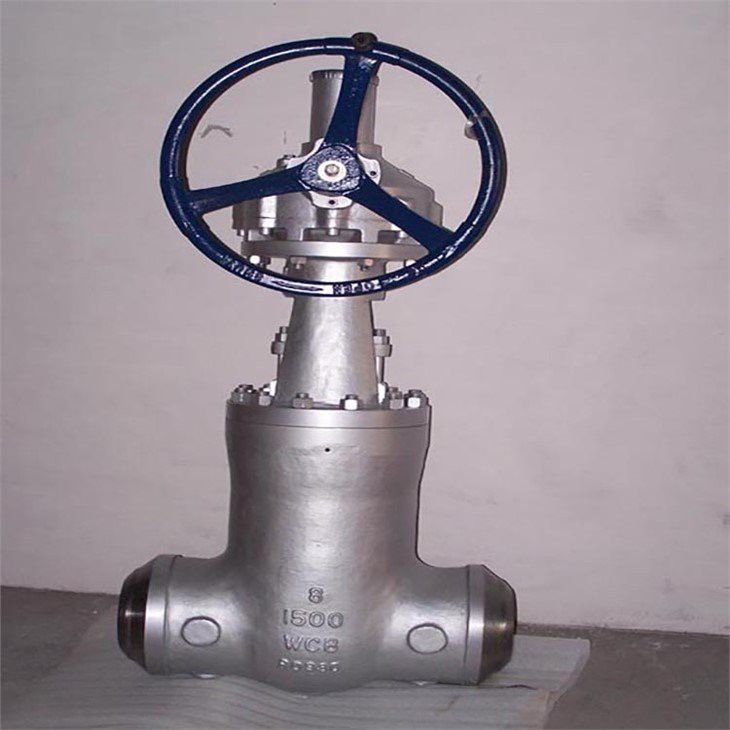
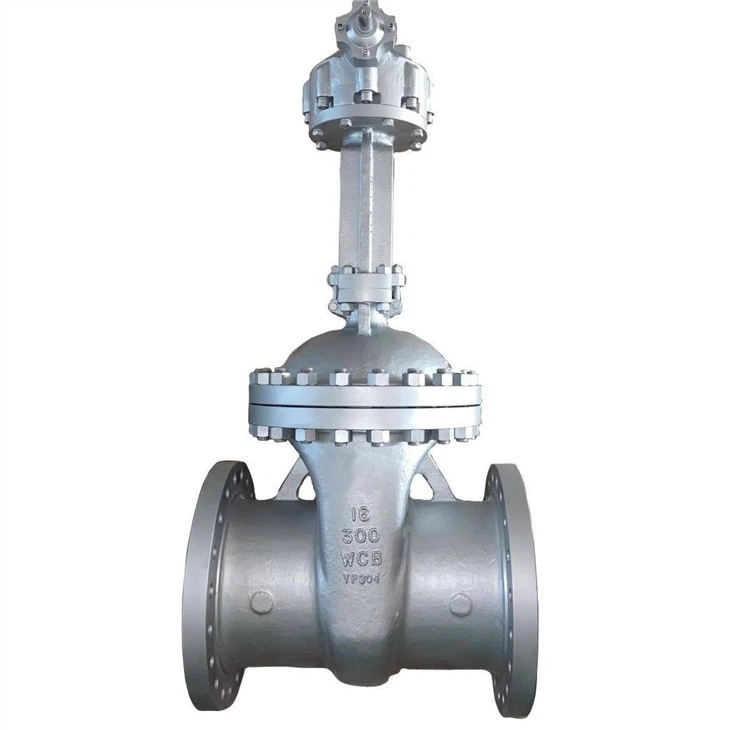
The gate experiences wear as it slides against the seats during opening and closing. In applications where the valve is frequently cycled, the wear rate can be relatively high. The seats also wear out over time due to the repeated contact with the gate. Guides, which help to align the gate, can also be worn, leading to misalignment and other problems.
To mitigate the wear of internal components, choosing high - quality materials with good wear resistance is essential. Additionally, proper lubrication can reduce friction and wear. For example, applying a suitable lubricant to the gate and guides can help them move more smoothly and extend their service life.
Preventive Maintenance Tips
To minimize the occurrence of these common maintenance issues, implementing a preventive maintenance program is highly recommended.
- Regular Inspection: Conduct visual inspections of the valve regularly to check for signs of leakage, corrosion, and damage. Use inspection tools such as ultrasonic testing to detect internal flaws in the valve body.
- Cleaning: Keep the valve clean by flushing it with appropriate cleaning fluids at regular intervals. This helps to prevent the build - up of debris and scale.
- Lubrication: Apply lubricants to the moving parts of the valve, such as the stem, gate, and guides, according to the manufacturer's recommendations.
- Proper Installation: Ensure that the valve is installed correctly, following the manufacturer's installation guidelines. This includes proper alignment, correct torque for bolts, and appropriate support for the valve.
Contact Us for Your Flat Gate Valve Needs
As a professional Flat Gate Valve supplier, we are committed to providing high - quality products and excellent after - sales service. If you are facing any maintenance issues with your Flat Gate Valves or are considering purchasing new ones, we are here to help. We offer a wide range of Flat Gate Valves, including American Standard Flanged Gate Valves and ANSI Gate Valve ANSI. Our team of experts can provide you with technical support and guidance on valve selection and maintenance. Contact us for a consultation and let's discuss how we can meet your specific requirements.
References
- Valve Handbook, 4th Edition, by Leslie S. Rubin
- Handbook of Valves and Actuators, by William W. Lyons
- Industrial Valve Technology, by Steven R. Tupper