As a supplier of Knife Gate Valves, I've had my fair share of experiences with these valves in various industries. While Knife Gate Valves are super useful in many applications, they also come with a few drawbacks that potential buyers should be aware of. In this blog, I'll break down some of the disadvantages of Knife Gate Valves.
1. Limited Pressure Rating
One of the major cons of Knife Gate Valves is their relatively low pressure - rating. These valves are typically designed for low - to medium - pressure applications. In high - pressure systems, the thin gate design of Knife Gate Valves can't withstand the force exerted by the fluid. For instance, in a high - pressure steam system, the pressure can easily cause the gate to deform or even break. This limits their use in industries like oil and gas production, where high - pressure pipelines are the norm. If you're dealing with a high - pressure environment, you might want to look into American Standard Flanged Gate Valves, which are built to handle much higher pressures.

2. Poor Sealing in Some Conditions
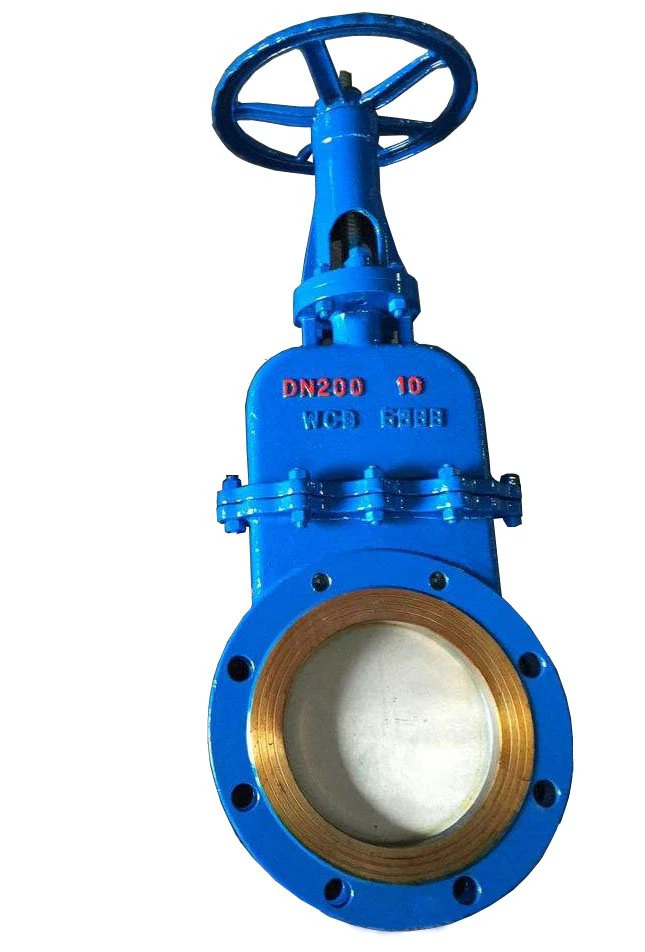
Knife Gate Valves rely on a tight fit between the gate and the seat for sealing. However, this sealing mechanism can be a problem in certain situations. When dealing with abrasive slurries, the particles in the slurry can get stuck between the gate and the seat. Over time, these particles can wear down the sealing surfaces, leading to leakage. Even a small amount of leakage can be a big issue in industries where precision is key, like chemical processing. Also, in applications where the fluid contains fibrous materials, the fibers can wrap around the gate, preventing it from closing properly and compromising the seal. If you're working with slurries, you might consider Manual Slurry Valve, which are designed to better handle such challenging media.
3. Slow Operation
Compared to some other types of valves, Knife Gate Valves are relatively slow to operate. The process of opening or closing a Knife Gate Valve involves moving the gate up or down through the fluid flow. This movement takes time, especially in larger - sized valves. In applications where quick shut - off or opening is required, like emergency shutdown systems, this slow operation can be a real drawback. For example, in a fire - suppression system, a slow - acting valve might not be able to cut off the water supply fast enough to prevent damage. In such cases, a 150LB Check Valve could offer a quicker response.
4. High Maintenance Requirements
Knife Gate Valves need regular maintenance to keep them in good working condition. The gate and seat are prone to wear, especially in abrasive or corrosive environments. This means that the sealing surfaces need to be inspected and replaced periodically. Additionally, the valve stem and other moving parts need lubrication to ensure smooth operation. If maintenance is neglected, the valve's performance can deteriorate rapidly, leading to increased leakage and potential valve failure. The cost and time associated with maintenance can add up, making Knife Gate Valves less cost - effective in the long run, especially for large - scale operations.
5. Limited Flow Control
Knife Gate Valves are mainly designed for on - off applications. They are not very effective at throttling or controlling the flow rate of the fluid. When partially opened, the gate can cause turbulent flow, which can lead to increased pressure drop and energy loss. This is a significant disadvantage in applications where precise flow control is necessary, such as in a water treatment plant where the flow of chemicals needs to be carefully regulated.
6. Susceptibility to Corrosion
The materials used in Knife Gate Valves can be susceptible to corrosion, depending on the nature of the fluid they are handling. For example, in a seawater application, the high salt content can cause corrosion of the valve components over time. Corrosion can weaken the valve structure, reduce its lifespan, and also affect the sealing performance. Special coatings or more corrosion - resistant materials can be used to mitigate this issue, but they come at an additional cost.
7. Installation Challenges
Installing Knife Gate Valves can be a bit tricky. They need to be installed in a specific orientation to ensure proper operation. If the valve is not installed correctly, it can lead to problems such as uneven wear on the gate and seat, and poor sealing. Also, the weight and size of larger Knife Gate Valves can make them difficult to handle during installation. This requires specialized equipment and skilled labor, which can increase the overall installation cost.
Despite these disadvantages, Knife Gate Valves still have their place in many industries. They are cost - effective for low - pressure, on - off applications, especially when dealing with slurries and other challenging media. If you're considering using Knife Gate Valves for your project, it's important to weigh the pros and cons carefully. And if you have any questions or need more information about our Knife Gate Valves or other valve products, feel free to reach out to us. We're here to help you make the best decision for your specific needs. Whether you're looking for a valve for a small - scale project or a large - industrial application, we can provide you with the right solutions. Contact us to start a discussion about your valve requirements and let's work together to find the perfect fit for your system.
References
- Valve Handbook: A Guide to Valve Selection and Application
- Industrial Valve Technology: Principles and Practices