Rubber elbows are versatile components widely used in various industries, from plumbing and HVAC systems to industrial piping networks. As a supplier of rubber elbows, I've had the privilege of working closely with clients to understand their specific needs and provide them with high - quality products. One area that often comes up in discussions is the electrical properties of rubber elbows. In this blog, we'll delve into the key electrical characteristics of rubber elbows and why they matter in different applications.
1. Electrical Insulation
One of the most prominent electrical properties of rubber elbows is their excellent electrical insulation. Rubber is a well - known insulator, meaning it does not allow the easy flow of electric current. This property is crucial in many applications where preventing electrical conductivity is essential for safety and proper system operation.
In electrical power distribution systems, rubber elbows are often used to insulate connections between cables and electrical equipment. For example, in underground power networks, rubber elbows can be used to connect high - voltage cables to transformers or switchgear. By providing a reliable insulation barrier, rubber elbows help prevent electrical leakage, short circuits, and potential electrical hazards.
The insulation performance of rubber elbows is typically measured in terms of dielectric strength. Dielectric strength is the maximum electric field that a material can withstand without breaking down and allowing current to flow. High - quality rubber elbows are designed to have a high dielectric strength, which ensures their long - term reliability in electrical applications.

2. Dielectric Constant
The dielectric constant, also known as relative permittivity, is another important electrical property of rubber elbows. It is a measure of how much an insulating material can store electrical energy in an electric field compared to a vacuum.
A higher dielectric constant means that the rubber elbow can store more electrical energy. In some applications, such as in capacitors or in electrical systems where energy storage is required, a rubber elbow with an appropriate dielectric constant can be beneficial. However, in most power distribution applications, a relatively low dielectric constant is preferred. This is because a low dielectric constant helps to minimize the electrical losses and reduce the risk of electrical breakdown.
The dielectric constant of rubber elbows can be influenced by several factors, including the type of rubber used, the presence of additives, and the manufacturing process. As a supplier, we carefully select the rubber compounds and optimize the manufacturing process to ensure that our rubber elbows have the desired dielectric constant for different applications.
3. Volume Resistivity
Volume resistivity is a measure of a material's ability to resist the flow of electric current through its bulk. It is expressed in ohm - meters (Ω·m). Rubber elbows typically have a very high volume resistivity, which is consistent with their role as electrical insulators.
A high volume resistivity means that the rubber elbow can effectively prevent the flow of electric current through its body. This is important in applications where electrical isolation is required, such as in electrical enclosures or in situations where there is a risk of electrical interference.
The volume resistivity of rubber elbows can be affected by factors such as temperature, humidity, and the presence of contaminants. For example, as the temperature increases, the volume resistivity of rubber may decrease, which can potentially affect its insulating performance. Therefore, when selecting rubber elbows for electrical applications, it is important to consider the operating environment and ensure that the rubber elbows can maintain their electrical properties under the expected conditions.
4. Surface Resistivity
In addition to volume resistivity, surface resistivity is also an important electrical property of rubber elbows. Surface resistivity measures the resistance to the flow of electric current along the surface of the rubber elbow.
A high surface resistivity is desirable in applications where there is a risk of surface leakage currents. For example, in outdoor electrical installations, moisture or contaminants on the surface of the rubber elbow can create a conductive path for electric current. A rubber elbow with a high surface resistivity can help prevent such surface leakage and maintain the integrity of the electrical insulation.
The surface resistivity of rubber elbows can be improved through surface treatments or the use of special additives. As a supplier, we offer rubber elbows with enhanced surface resistivity to meet the requirements of different applications, especially those in harsh environmental conditions.
5. Impact on Different Industries
The electrical properties of rubber elbows have a significant impact on various industries.
Electrical Power Industry
In the electrical power industry, rubber elbows are used extensively in high - voltage and medium - voltage applications. Their excellent electrical insulation properties ensure the safe and reliable operation of power transmission and distribution systems. For example, rubber elbows are used in cable terminations and joints, where they prevent electrical breakdown and protect against environmental factors such as moisture and dust.
Automotive Industry
In the automotive industry, rubber elbows are used in various electrical components, such as wiring harnesses and connectors. Their electrical insulation properties help to prevent electrical shorts and interference, ensuring the proper functioning of the vehicle's electrical systems. Additionally, the flexibility of rubber elbows allows for easy installation in tight spaces within the vehicle.
Industrial Manufacturing
In industrial manufacturing, rubber elbows are used in a wide range of electrical equipment, from control panels to machinery. Their ability to provide electrical insulation and resist electrical interference is crucial for maintaining the stability and reliability of industrial processes. For example, in a manufacturing plant, rubber elbows can be used to insulate electrical connections in motors and generators, preventing electrical failures that could disrupt production.
6. Comparison with Other Materials
When compared to other materials commonly used in electrical applications, such as metal or plastic, rubber elbows offer several advantages in terms of electrical properties.
Compared to metal, rubber is an insulator, while metal is a conductor. This makes rubber elbows ideal for applications where electrical isolation is required, while metal components would need additional insulation measures.
Plastic is also an insulator, but rubber has some unique properties that make it a better choice in certain applications. Rubber is more flexible than most plastics, which allows for easier installation and better adaptation to different shapes and sizes. Additionally, rubber has better resistance to environmental factors such as temperature changes and moisture, which can affect the electrical properties of plastic over time.
7. Our Product Offerings
As a leading supplier of rubber elbows, we offer a wide range of products with excellent electrical properties. Our rubber elbows are made from high - quality rubber compounds that are carefully selected to ensure optimal electrical performance.
We also offer customization options to meet the specific requirements of our clients. Whether you need a rubber elbow with a specific dielectric strength, volume resistivity, or surface resistivity, we can work with you to develop a product that meets your needs.
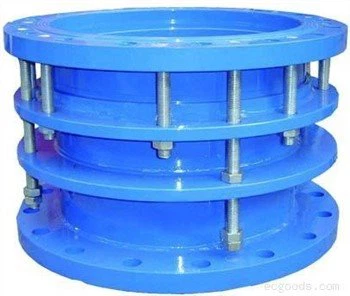
In addition to our standard rubber elbows, we also offer related products such as Flange Pipe Expansion Joint and Double Flange Expansion Joint. These products are designed to work in conjunction with rubber elbows to provide a comprehensive solution for your piping and electrical systems.

8. Conclusion and Call to Action
The electrical properties of rubber elbows play a crucial role in their performance and suitability for different applications. From electrical insulation to dielectric constant, volume resistivity, and surface resistivity, each property contributes to the overall functionality and reliability of rubber elbows in electrical systems.
If you are in need of high - quality rubber elbows or related products for your electrical applications, we invite you to contact us. Our team of experts is ready to assist you in selecting the right products for your specific needs and providing you with the best possible solutions. Whether you are in the electrical power industry, automotive industry, or industrial manufacturing, we have the products and expertise to meet your requirements. Let's start a discussion about your project and explore how our rubber elbows can enhance the performance and safety of your electrical systems.

References
- "Handbook of Electrical Insulating Materials" by J. P. Armand.
- "Rubber Technology: Compounding, Mixing, and Testing of Rubber" by Maurice Morton.
- Industry standards and guidelines related to electrical insulation and rubber products.