As a supplier of ANSI Gate Valves, understanding local regulations is crucial for both compliance and ensuring the safety and efficiency of our products in different regions. ANSI (American National Standards Institute) Gate Valves are widely used in various industries due to their reliability and performance. In this blog, we will explore the local regulations for using ANSI Gate Valves and how they impact our business as a supplier.
1. General Overview of ANSI Gate Valves
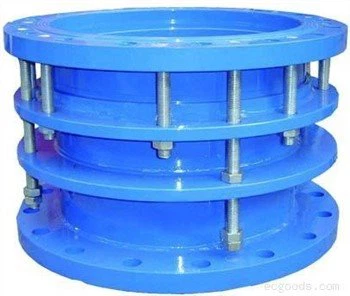
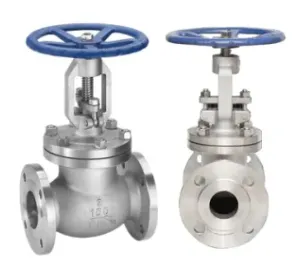
ANSI Gate Valves are designed according to the standards set by the American National Standards Institute. These valves are typically used to control the flow of fluids in pipelines by opening or closing a gate inside the valve body. They are known for their full - bore design, which allows for minimal flow restriction when fully open. There are different types of ANSI Gate Valves, such as Rubber Seat Gate Valve, Steel Square Gate, and Bevel Gear Flanged Gate Valve Z541H, each with its own unique features and applications.
2. Safety Regulations
Safety is of utmost importance when it comes to using ANSI Gate Valves. Local regulations often focus on ensuring that these valves are installed, operated, and maintained in a way that minimizes the risk of accidents.
2.1 Installation Requirements
In many regions, there are specific installation requirements for ANSI Gate Valves. For example, valves must be installed in a location where they are easily accessible for maintenance and inspection. This may involve leaving a certain amount of clearance around the valve to allow technicians to reach it safely. Additionally, valves must be installed in a vertical or horizontal position as specified by the manufacturer to ensure proper operation.
Some areas also require that valves be installed with appropriate supports to prevent stress on the valve body and piping. This is especially important in high - pressure applications where improper installation can lead to valve failure and potential safety hazards.
2.2 Pressure and Temperature Limits
Local regulations typically define the maximum pressure and temperature limits for ANSI Gate Valves. These limits are based on the valve's design and material properties. It is essential for users to ensure that the valve is not subjected to pressures or temperatures beyond its rated capacity. Exceeding these limits can cause the valve to malfunction, leading to leaks, bursts, or other safety issues.
As a supplier, we provide detailed technical specifications for our ANSI Gate Valves, including pressure and temperature ratings. We also offer guidance on proper valve selection based on the specific operating conditions of the customer's application.
2.3 Inspection and Testing
Regular inspection and testing of ANSI Gate Valves are required by many local regulations. Valves must be inspected for signs of wear, corrosion, and damage on a routine basis. This may involve visual inspections, as well as non - destructive testing methods such as ultrasonic testing or magnetic particle inspection.
In addition, valves must be tested for proper operation, including opening and closing functions, leakage rates, and pressure - holding capabilities. Testing should be performed at regular intervals, and records of the inspections and tests must be maintained for a specified period.
3. Environmental Regulations
Environmental regulations also play a significant role in the use of ANSI Gate Valves. These regulations aim to minimize the impact of valve operations on the environment.
3.1 Leakage Prevention
One of the key environmental concerns is valve leakage. Local regulations often set strict limits on the allowable leakage rates for ANSI Gate Valves. Leakage can result in the release of harmful substances into the environment, such as chemicals, gases, or fluids. To comply with these regulations, valves must be designed and manufactured with high - quality seals and gaskets.


We, as a supplier, use advanced sealing technologies in our ANSI Gate Valves to minimize leakage. Our valves are tested rigorously to ensure that they meet or exceed the environmental leakage standards set by local authorities.
3.2 Material Selection
The choice of materials for ANSI Gate Valves is also influenced by environmental regulations. Some materials may be restricted or prohibited due to their potential to release hazardous substances. For example, certain types of metals may contain heavy metals that can contaminate soil and water if released.
We carefully select materials for our valves to ensure compliance with environmental regulations. We use materials that are non - toxic, corrosion - resistant, and environmentally friendly.
4. Industry - Specific Regulations
Different industries have their own specific regulations regarding the use of ANSI Gate Valves.
4.1 Oil and Gas Industry
In the oil and gas industry, ANSI Gate Valves are used in a variety of applications, including upstream, midstream, and downstream operations. The industry has strict regulations regarding valve performance, reliability, and safety.
For example, valves used in offshore oil and gas platforms must be designed to withstand harsh environmental conditions, such as high winds, saltwater corrosion, and seismic activity. They must also meet specific fire - safety standards to prevent the spread of fire in case of an accident.
4.2 Water and Wastewater Treatment Industry
In the water and wastewater treatment industry, ANSI Gate Valves are used to control the flow of water and chemicals. Regulations in this industry focus on ensuring the quality of the treated water and preventing contamination.
Valves must be made of materials that are compatible with the water and chemicals being used. They must also be designed to prevent backflow, which can introduce contaminants into the water supply.
5. Compliance and Certification
To ensure compliance with local regulations, ANSI Gate Valves often need to be certified by recognized testing agencies. These certifications provide assurance that the valves meet the required standards for safety, performance, and environmental protection.
5.1 ANSI Standards
Our ANSI Gate Valves are designed and manufactured in accordance with ANSI standards. These standards cover various aspects of valve design, including dimensions, materials, and performance requirements. By adhering to ANSI standards, we ensure that our valves are compatible with other components in the piping system and meet the expectations of our customers.
5.2 Other Certifications
In addition to ANSI standards, our valves may also be certified to meet other international or local standards, such as ISO (International Organization for Standardization) standards or specific regional regulations. These certifications are an important part of our commitment to providing high - quality and compliant products.
6. Impact on Our Business as a Supplier
Understanding and complying with local regulations is essential for our business as a supplier of ANSI Gate Valves. It allows us to provide our customers with products that meet the legal requirements in their respective regions.
6.1 Product Development
We take local regulations into account during the product development process. This means that we continuously improve our valve designs and manufacturing processes to ensure compliance with the latest safety, environmental, and industry - specific regulations.
6.2 Customer Support
We also provide comprehensive customer support to help our customers understand and comply with local regulations. Our technical experts can offer advice on valve selection, installation, and maintenance based on the specific requirements of the customer's application and location.
7. Conclusion and Call to Action
In conclusion, local regulations for using ANSI Gate Valves are complex and vary from region to region. As a supplier, we are committed to ensuring that our products meet all the relevant regulations to provide our customers with safe, reliable, and environmentally friendly solutions.
If you are in need of ANSI Gate Valves for your project, we invite you to contact us for more information. Our team of experts is ready to assist you in selecting the right valve for your application and ensuring that you are fully compliant with local regulations. Whether you are in the oil and gas industry, water and wastewater treatment, or any other sector, we have the expertise and products to meet your needs.
References
- ANSI Standards for Gate Valves
- Local Environmental and Safety Regulations in Different Regions
- Industry - Specific Guidelines for Valve Use in Oil and Gas, Water and Wastewater Treatment, etc.