Hey there! I'm with a gate valve supply business, and cryogenic applications have always been a hot topic in our industry. In this blog, I'm gonna break down the requirements for gate valves in these super - cold settings.
1. Material Selection
One of the most crucial aspects when it comes to gate valves for cryogenic applications is the choice of materials. At extremely low temperatures, regular materials just won't cut it. Metals can become brittle, which leads to cracks and failure.
Stainless steel is a popular choice. It has great corrosion resistance and retains its mechanical properties even at cryogenic temperatures. For example, 304 and 316 stainless steel are widely used because they have good ductility and toughness in the cold. Nickel - based alloys are also in the running. These alloys, like Inconel, can handle the cold very well and are resistant to thermal shock.
I've seen some valves where the wrong material selection led to disastrous results. In a cryogenic storage facility, a valve made from a low - grade steel started to crack, causing a huge leak. That's why getting the material right is a must. And if you're interested in some high - quality steel gate valves, you can check out our Steel Square Gate.
2. Sealing Performance
In cryogenic applications, seal integrity is of the essence. The extreme cold can cause materials to contract, which might compromise the sealing of the valve. There are two main types of seals in gate valves: stem seals and seat seals.
Stem seals prevent the fluid from leaking out along the valve stem. In cryogenic conditions, these seals need to be able to withstand the low temperatures without losing their elasticity. PTFE (Polytetrafluoroethylene) is often used for stem seals because it has low friction and good cold resistance.
Seat seals, on the other hand, ensure that there's no leakage between the gate and the valve seat when the valve is closed. Soft - seated valves use materials like nylon or rubber for the seat seal. These materials can provide a tight seal, but they need to be carefully selected to withstand the low temperatures. Metal - seated valves, while more durable, also require precise machining to ensure a proper seal. A poor seat seal can lead to leakage, which can be really dangerous in a cryogenic environment. You can explore our BS5163 Gate Valve BS5163 that has been designed with excellent sealing technology for cryogenic applications.
3. Pressure and Temperature Ratings
Gate valves in cryogenic applications need to have appropriate pressure and temperature ratings. The combination of low temperatures and high pressures can put a lot of stress on the valve.


Manufacturers need to specify the minimum and maximum operating temperatures and pressures for their valves. These ratings are based on extensive testing to make sure the valve can operate safely and effectively under these extreme conditions. For example, a valve designed for a certain cryogenic process might have a temperature rating of - 196°C to - 70°C and a pressure rating of 10 to 50 bar. If a valve is used outside of its rated conditions, it can fail, leading to safety hazards and operational issues.
4. Design Features
The design of gate valves for cryogenic applications also matters a great deal.
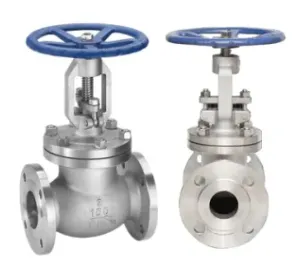
First, the valve needs to have a long stem. This helps to keep the operating mechanism at a higher temperature, preventing it from being affected by the cold fluid inside the valve. A long stem also reduces the risk of ice formation on the operating parts.
Second, the valve body should be designed to minimize the volume of trapped fluid. Trapped fluid can expand when it warms up, which can cause excessive pressure inside the valve. Some valves have special drain holes to release any trapped fluid.
Another important design aspect is the gate design. Parallel - slide gates and wedge - shaped gates are the two common types. Parallel - slide gates are better for applications where a tight shut - off is required, while wedge - shaped gates are more suitable for applications where the valve needs to be opened and closed frequently. Our Bevel Gear Flanged Gate Valve Z541H is designed with these cryogenic - friendly design features in mind.
5. Testing and Certification
Before a gate valve can be used in a cryogenic application, it needs to go through rigorous testing.
Leak testing is a must. This involves pressurizing the valve and checking for any leakage using sensitive instruments. Another important test is the temperature cycling test. In this test, the valve is subjected to multiple cycles of heating and cooling to simulate real - world conditions and check if there are any issues like seal failure or material cracking.
Certification is also crucial. Valves need to meet industry standards such as API 6D or ISO 14313 for cryogenic applications. These standards ensure that the valve meets the necessary quality and safety requirements.
6. Maintenance and Serviceability
Even the best - designed gate valves need regular maintenance, especially in cryogenic applications.
Inspection of the seals, stems, and other components should be done regularly. Any signs of wear or damage should be addressed immediately. Lubrication of the moving parts is also important, but the lubricant needs to be suitable for cryogenic temperatures.
Serviceability is another factor. The valve should be designed in such a way that it's easy to disassemble, repair, and reassemble. This reduces downtime in case of a valve failure.
Let's Connect!
So, if you're in the market for high - quality gate valves for cryogenic applications, don't hesitate to reach out. We've got a wide range of valves that meet all the requirements we've discussed today. Whether it's material selection, sealing performance, or proper design, our valves are up to the task. Contact us for more information and let's start a conversation about your valve needs.
References
- API 6D Standard
- ISO 14313 Standard
- Cryogenic Engineering Handbook