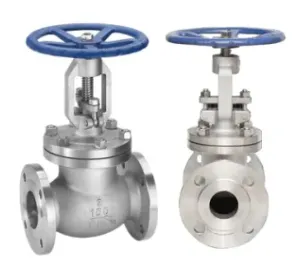
Bellows gate valves play a critical role in various industrial applications, offering reliable shut - off and flow control. One of the key components of these valves is the bonnet, which serves multiple functions such as protecting the valve stem and ensuring a proper seal. In this blog, we'll explore the different types of bonnets used in bellows gate valves, as a trusted bellows gate valve supplier.
1. Bolted Bonnets
Bolted bonnets are one of the most common types used in bellows gate valves. This type of bonnet is attached to the valve body using bolts and nuts. The design provides a robust and reliable connection.
The advantage of a bolted bonnet is its high - pressure resistance. In industrial settings where high - pressure fluids are involved, such as in oil and gas pipelines or chemical processing plants, the bolted connection can withstand the forces exerted by the fluid. It also allows for easy disassembly for maintenance purposes. If there is an issue with the valve stem or the bellows, technicians can simply remove the bolts and access the internal components.
However, bolted bonnets also have some drawbacks. The installation process can be time - consuming as it requires precise alignment of the bonnet with the valve body and proper tightening of the bolts to ensure a leak - free seal. Over - tightening or uneven tightening of the bolts can lead to distortion of the bonnet or the valve body, which may cause leakage.
2. Welded Bonnets
Welded bonnets are another option for bellows gate valves. As the name suggests, the bonnet is welded directly to the valve body. This creates a permanent and extremely strong connection.
Welded bonnets are ideal for applications where absolute leak - tightness is required. Since there are no bolted joints that could potentially leak, they are often used in high - purity or hazardous fluid applications, such as in the pharmaceutical or nuclear industries. The welded construction also provides excellent resistance to external factors such as vibration and mechanical shock.
On the other hand, the main disadvantage of welded bonnets is their lack of serviceability. Once the bonnet is welded, it cannot be easily removed for maintenance or repair. If there is a problem with the internal components of the valve, the entire valve may need to be replaced, which can be costly and time - consuming.
3. Pressure - Seal Bonnets
Pressure - seal bonnets are designed to use the fluid pressure inside the valve to enhance the sealing effect. In this type of bonnet, as the fluid pressure increases, the bonnet is forced against the valve body, creating a tighter seal.
This design is particularly suitable for high - pressure and high - temperature applications. In power generation plants, for example, where steam is used at high pressures and temperatures, pressure - seal bonnets can provide reliable performance. They also offer a more compact design compared to some other types of bonnets, which can be an advantage in space - constrained installations.

However, pressure - seal bonnets require careful design and manufacturing to ensure proper functioning. Any defect in the design or manufacturing process can lead to premature failure of the seal. Additionally, the installation and maintenance of pressure - seal bonnets require specialized knowledge and tools.
4. Union Bonnets
Union bonnets are characterized by a union connection that allows for easy disassembly and reassembly of the bonnet. This type of bonnet is often used in applications where frequent maintenance or inspection is required.
In water treatment plants, for instance, where valves need to be regularly checked for sediment buildup or wear, union bonnets are a practical choice. They can be quickly removed and reinstalled, reducing downtime during maintenance operations.
The main limitation of union bonnets is their relatively lower pressure - handling capacity compared to bolted or welded bonnets. The union connection may not be as strong as a welded or bolted joint, which restricts their use in high - pressure applications.
Comparison with Other Types of Gate Valves
When comparing bellows gate valves with other types of gate valves such as Knife Gate Valve and Flat Gate Valve, the choice of bonnet type also has different implications.
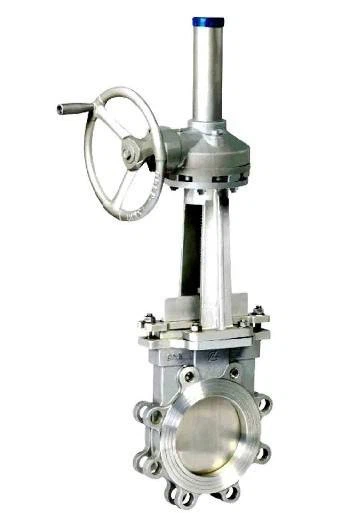
Knife gate valves are often used in applications involving slurries or thick fluids. They typically require a bonnet design that can withstand the abrasive nature of the fluid. Bolted or welded bonnets are commonly used in knife gate valves to ensure a strong and leak - free connection. For example, Manual Lug Type Knife Gate Valve may use a bolted bonnet for easy maintenance while still providing sufficient strength.
Flat gate valves, on the other hand, are used in a wide range of applications from low - pressure to high - pressure systems. The choice of bonnet type depends on the specific requirements of the application. Pressure - seal bonnets may be used in high - pressure flat gate valve applications, while union bonnets can be a good option for low - pressure and easily maintainable systems.
Importance of Choosing the Right Bonnet Type
Selecting the appropriate bonnet type for a bellows gate valve is crucial for the overall performance and reliability of the valve. A wrong choice can lead to various problems such as leakage, premature failure, and increased maintenance costs.
For example, if a high - pressure application uses a union bonnet instead of a bolted or pressure - seal bonnet, there is a high risk of leakage due to the insufficient strength of the union connection. This can not only cause loss of fluid but also pose a safety hazard in some cases.
On the other hand, choosing a welded bonnet for an application that requires frequent maintenance can lead to increased downtime and cost, as the valve may need to be replaced instead of being repaired.
Conclusion
In conclusion, the type of bonnet used in bellows gate valves is a critical factor that affects the valve's performance, reliability, and maintenance requirements. Bolted bonnets offer a balance between strength and serviceability, welded bonnets provide excellent leak - tightness but limited serviceability, pressure - seal bonnets are suitable for high - pressure applications, and union bonnets are ideal for easy maintenance.
As a bellows gate valve supplier, we understand the importance of guiding our customers in choosing the right bonnet type for their specific applications. Whether you are in the oil and gas, chemical, pharmaceutical, or any other industry, we have the expertise and products to meet your needs. If you are interested in purchasing bellows gate valves or need more information about the bonnet types, please feel free to contact us for a detailed discussion and procurement negotiation.
References
- Valve Handbook, 4th Edition, by J. S. M. Campbell
- Industrial Valves: Selection, Installation, and Maintenance, by P. R. A. Lang