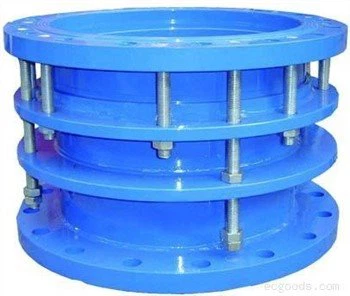
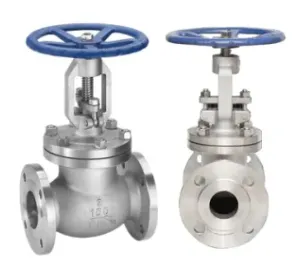
Hey there! As a gate valve supplier, I've been dealing with all sorts of gate valves for years. Gate valves are super important in many industries, like oil and gas, water treatment, and power generation. They're used to control the flow of fluids by opening and closing a gate inside the valve. In this blog, I'm gonna talk about the different types of gate valves that we offer.
Wedge Gate Valves
Wedge gate valves are one of the most common types of gate valves. They have a wedge-shaped gate that fits between two seats in the valve body. When the valve is closed, the wedge is forced tightly against the seats to prevent any leakage. There are two main types of wedge gate valves: solid wedge and flexible wedge.
Solid Wedge Gate Valves
Solid wedge gate valves have a single-piece, solid wedge that provides a tight seal. They're great for applications where the fluid is clean and the pressure is relatively stable. These valves are simple in design and easy to maintain. However, they can be a bit more prone to damage if there's any thermal expansion or contraction in the system.
Flexible Wedge Gate Valves
Flexible wedge gate valves have a wedge that's split into two pieces, connected by a hinge or a spring. This design allows the wedge to adjust to any slight misalignment between the seats, making it more suitable for applications with varying temperatures and pressures. Flexible wedge gate valves are less likely to get stuck or damaged compared to solid wedge gate valves.
Parallel Slide Gate Valves
Parallel slide gate valves have a gate that slides parallel to the flow of the fluid. They're often used in applications where a large flow capacity is required, such as in pipelines. These valves have a flat gate that moves up and down between two parallel seats. When the valve is open, the gate is fully retracted into the valve body, allowing for unrestricted flow.
One of the advantages of parallel slide gate valves is that they have a lower pressure drop compared to wedge gate valves. This means that they can save energy and reduce operating costs in the long run. However, they can be more complex in design and require more maintenance.
Knife Gate Valves
Knife gate valves are designed for applications where the fluid contains solids or slurries. They have a sharp-edged gate that cuts through the material as it closes, preventing any blockages or jams. Knife gate valves are commonly used in industries such as mining, pulp and paper, and wastewater treatment.
These valves are relatively simple in design and easy to operate. They can be either manual or automated, depending on the requirements of the application. However, they may not provide as tight a seal as other types of gate valves, so they're not suitable for applications where zero leakage is required.
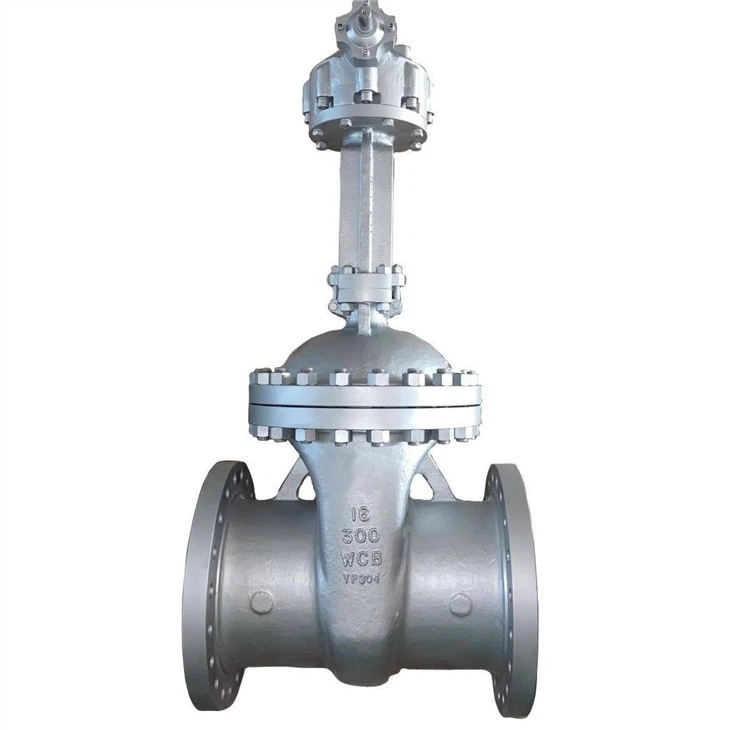

Flanged Gate Valves
Flanged gate valves are a type of gate valve that's connected to the pipeline using flanges. They're easy to install and remove, making them a popular choice for many applications. There are different standards for flanged gate valves, such as the American Standard. If you're interested in American Standard Flanged Gate Valves, you can check out American Standard Flanged Gate Valves.
We also offer specific models of flanged gate valves, like the Rising Stem Flanged Gate Valve Z41H and the Non stem Flanged Gate Valve Z45H. The Rising Stem Flanged Gate Valve Z41H has a stem that rises as the valve is opened, indicating the position of the gate. You can find more information about it here: Rising Stem Flanged Gate Valve Z41H. The Non stem Flanged Gate Valve Z45H, on the other hand, has a non-rising stem, which is more suitable for applications where space is limited. Check it out here: Non stem Flanged Gate Valve Z45H.
Choosing the Right Gate Valve
When choosing a gate valve for your application, there are several factors to consider. First, you need to think about the type of fluid that will be flowing through the valve. If it's a clean fluid, a wedge gate valve or a parallel slide gate valve may be a good choice. If the fluid contains solids or slurries, a knife gate valve would be more appropriate.
You also need to consider the pressure and temperature requirements of the system. Different types of gate valves have different pressure and temperature ratings, so make sure to choose a valve that can handle the conditions in your application.
Another important factor is the size of the valve. The size of the valve will depend on the flow rate and the diameter of the pipeline. Make sure to choose a valve that's the right size for your system to ensure optimal performance.
Conclusion
In conclusion, there are several types of gate valves available, each with its own advantages and disadvantages. As a gate valve supplier, we can help you choose the right valve for your application based on your specific requirements. Whether you need a wedge gate valve, a parallel slide gate valve, a knife gate valve, or a flanged gate valve, we've got you covered.
If you're interested in purchasing gate valves or have any questions about our products, feel free to reach out to us. We'd be happy to have a chat with you and discuss your needs. Let's work together to find the perfect gate valve solution for your project!
References
- "Valve Handbook" by J. S. Tuzson
- "Handbook of Valves" by Robert E. McKetta