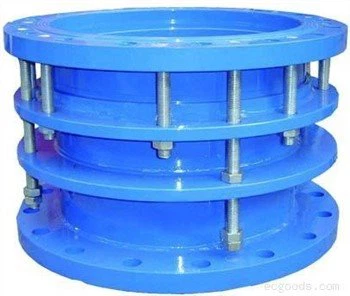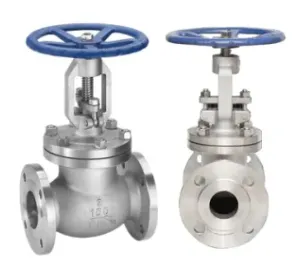
Rust is one of the most common and persistent problems when it comes to steel round gates. As a supplier of Steel Round Gate, I've witnessed firsthand the detrimental effects of rust on these products. Not only does rust compromise the aesthetic appeal of the gates, but it also weakens the structural integrity, leading to potential safety hazards and reduced lifespan. In this blog post, I'll share some effective strategies to prevent steel round gates from rusting, ensuring they remain in top - notch condition for years to come.
Understanding the Rusting Process
Before delving into prevention methods, it's crucial to understand how rust forms. Rust is the result of a chemical reaction called oxidation, which occurs when iron in the steel reacts with oxygen in the presence of water or moisture. This reaction forms iron oxide, commonly known as rust. Factors such as humidity, exposure to rain, saltwater (in coastal areas), and industrial pollutants can accelerate the rusting process.
Surface Preparation
The first step in preventing rust is proper surface preparation. Before applying any protective coatings, the steel round gate must be thoroughly cleaned. This involves removing any existing rust, dirt, grease, or mill scale.
- Mechanical Cleaning: Use methods like sandblasting, wire brushing, or grinding to physically remove rust and contaminants from the surface. Sandblasting is particularly effective as it can reach into small crevices and provide a clean, rough surface for better coating adhesion.
- Chemical Cleaning: You can also use chemical solvents or rust removers to dissolve rust and clean the surface. However, it's important to follow the manufacturer's instructions carefully when using these chemicals, as improper use can damage the steel.
Applying Protective Coatings
Once the surface is clean, applying a protective coating is essential to prevent oxygen and moisture from coming into contact with the steel.
- Paint: One of the most common and cost - effective ways to protect steel round gates is by painting them. Choose a high - quality paint specifically designed for metal surfaces. Epoxy paints are a popular choice as they offer excellent adhesion, durability, and corrosion resistance. Apply at least two coats of paint, allowing sufficient drying time between each coat.
- Galvanization: Galvanizing involves coating the steel with a layer of zinc. Zinc acts as a sacrificial anode, corroding in place of the steel. Hot - dip galvanizing is a widely used method where the steel is submerged in a bath of molten zinc. This creates a thick, durable zinc coating that provides long - term protection against rust.
- Powder Coating: Powder coating is a modern and environmentally friendly alternative to traditional painting. In this process, a dry powder is electrostatically applied to the steel surface and then cured in an oven. The result is a hard, smooth, and corrosion - resistant finish.
Using Corrosion Inhibitors
Corrosion inhibitors are chemicals that can be added to coatings or used as a standalone treatment to slow down the rusting process.
- Vapor - phase Corrosion Inhibitors (VCI): VCIs are substances that release volatile molecules into the air. These molecules form a protective layer on the metal surface, preventing corrosion. VCI products can be in the form of films, papers, or sprays. They are particularly useful for protecting steel round gates during storage or transportation.
- Liquid Corrosion Inhibitors: Liquid inhibitors can be applied directly to the steel surface. They work by forming a thin, protective film that blocks oxygen and moisture. Some liquid inhibitors can also penetrate existing rust, stopping its spread.
Regular Maintenance
Even with the best preventive measures, regular maintenance is still necessary to ensure the long - term protection of steel round gates.
- Inspection: Regularly inspect the gate for signs of rust, chipped paint, or damage to the protective coating. Early detection of problems allows for prompt repair, preventing further corrosion.
- Cleaning: Keep the gate clean by washing it with mild soap and water periodically. This helps remove dirt, dust, and pollutants that can contribute to rusting.
- Repairing Damaged Areas: If you notice any chips or scratches in the protective coating, repair them immediately. Touch up the area with paint or the appropriate coating to prevent rust from starting at these vulnerable points.
Environmental Considerations
The environment in which the steel round gate is installed can significantly affect its susceptibility to rust.
- Location: Avoid installing the gate in areas with high humidity, standing water, or near sources of saltwater or industrial pollution. If installation in such an area is unavoidable, take extra precautions such as using a more corrosion - resistant coating or increasing the frequency of maintenance.
- Ventilation: Ensure proper ventilation around the gate. Good air circulation helps keep the surface dry, reducing the risk of rust formation.
Choosing the Right Design
When designing steel round gates, certain features can help prevent rust.
- Drainage Holes: Incorporate drainage holes in the gate design to allow water to drain away. This is especially important for gates that may be exposed to rain or snow.
- Avoiding Trapped Moisture: Design the gate in a way that minimizes areas where moisture can collect, such as sharp corners or closed - off spaces.
Comparing with Other Gate Types
In the market, there are other types of gates like Parallel Gate Valve and Rising Stem Flanged Gate Valve Z41H. While these valves have their own unique features and applications, the principles of rust prevention are similar. However, the design and usage of these valves may require more specialized coatings and maintenance due to their specific functions and operating conditions.
Conclusion
Preventing rust on steel round gates is a multi - faceted process that involves proper surface preparation, application of protective coatings, use of corrosion inhibitors, regular maintenance, and consideration of environmental factors. By implementing these strategies, you can significantly extend the lifespan of your steel round gates, ensuring they remain functional and aesthetically pleasing for many years.


If you're in the market for high - quality steel round gates or need advice on rust prevention, I invite you to contact us for a detailed discussion. Our team of experts is ready to assist you in making the best choice for your specific needs.
References
- "Corrosion of Metals" by Uhlig, H. H.
- "Handbook of Protective Coatings for Metals" by Schweitzer, P. A.