Hey there! As a supplier of globe valves, I've seen my fair share of issues, and one of the most common problems that customers come to me with is valve leakage. It can be a real headache, causing inefficiencies, potential safety hazards, and even financial losses. So, in this blog, I'm gonna break down the various factors that can cause a globe valve to leak.
1. Seat and Disc Damage
The seat and disc are crucial components of a globe valve. They work together to control the flow of fluid by either opening or closing the valve. Over time, these parts can get damaged due to a variety of reasons.
- Erosion: When the fluid flowing through the valve contains abrasive particles, it can wear down the seat and disc surfaces. Think of it like sandpaper rubbing against a smooth surface. This erosion creates tiny grooves and pits, which prevent the seat and disc from forming a tight seal. For example, in industries where the fluid has a high concentration of suspended solids, such as mining or wastewater treatment, erosion is a major culprit.
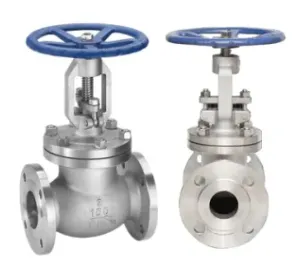
- Corrosion: If the fluid is corrosive, it can eat away at the seat and disc materials. Different metals have different levels of resistance to corrosion. For instance, a valve made of a basic carbon steel might corrode quickly when exposed to acidic fluids. On the other hand, a Stainless Steel Flanged Globe Valve offers better corrosion resistance due to the properties of stainless steel. But even stainless steel can corrode under certain extreme conditions.
- Cavitation: This occurs when the pressure of the fluid drops below its vapor pressure, causing vapor bubbles to form. When these bubbles collapse, they create shockwaves that can damage the seat and disc. Cavitation is more likely to happen in high - pressure applications where there are sudden pressure changes.
2. Improper Installation
How a globe valve is installed plays a huge role in its performance. If the installation isn't done correctly, it can lead to leakage right from the start.
- Incorrect Alignment: The valve needs to be properly aligned with the pipeline. If it's misaligned, it can put uneven stress on the seat and disc, preventing them from sealing properly. This can happen if the pipeline is not straight or if the valve is forced into place during installation.
- Loose Bolts: The bolts that hold the valve together or connect it to the pipeline need to be tightened to the correct torque. If they're too loose, there can be gaps between the valve components, allowing fluid to leak out. On the flip side, over - tightening the bolts can also damage the valve parts.
- Gasket Issues: Gaskets are used to create a seal between different valve components. If the gasket is damaged, the wrong size, or not installed correctly, it can cause leakage. For example, if the gasket is cut or torn during handling, it won't be able to provide an effective seal.
3. Stem and Packing Problems
The stem is the part of the valve that connects the actuator (the mechanism that opens and closes the valve) to the disc. The packing is used to prevent fluid from leaking along the stem.
- Stem Wear: The stem moves up and down as the valve is opened and closed. Over time, this movement can cause wear on the stem surface. If the stem is worn, it can allow fluid to leak past the packing. This is especially true in valves that are operated frequently.
- Packing Deterioration: The packing material can deteriorate due to factors like temperature, pressure, and the nature of the fluid. For example, in high - temperature applications, some packing materials might dry out and lose their sealing properties. Also, if the packing is not properly lubricated, it can wear out faster.
- Incorrect Packing Installation: Just like with gaskets, if the packing is not installed correctly, it won't be able to prevent leakage. It needs to be packed tightly and evenly around the stem.
4. Pressure and Temperature Fluctuations
Globe valves are designed to operate within certain pressure and temperature ranges. When these conditions go beyond the design limits, it can cause leakage.
- Excessive Pressure: High pressure can put a lot of stress on the valve components. If the pressure is too high, it can force the fluid past the seat and disc, even if they are in good condition. It can also cause the valve body to deform, leading to leakage.
- Temperature Changes: Extreme temperature changes can cause the valve materials to expand or contract. If the expansion or contraction is not uniform across all the valve components, it can create gaps and cause leakage. For example, in a valve that experiences rapid temperature cycling, the different metals in the valve might expand and contract at different rates.
5. Actuator Problems
The actuator is responsible for opening and closing the valve. If it's not working properly, it can lead to leakage.
- Incorrect Actuation: If the actuator doesn't fully open or close the valve, the seat and disc won't form a proper seal. This can happen if the actuator is not calibrated correctly or if there is a problem with its control system.
- Mechanical Failure: Actuators have moving parts that can wear out or break. For example, a motor in an electric actuator might fail, or a piston in a pneumatic actuator might get stuck. When this happens, the valve might not be able to close tightly, resulting in leakage.
How to Prevent Globe Valve Leakage
Now that we know what causes globe valve leakage, let's talk about how to prevent it.

- Regular Maintenance: This includes inspecting the valve components for wear, corrosion, and damage. Replace any worn - out parts, such as seats, discs, gaskets, and packing, as soon as possible.
- Proper Installation: Make sure the valve is installed correctly, with proper alignment, tightened bolts, and correctly installed gaskets and packing.
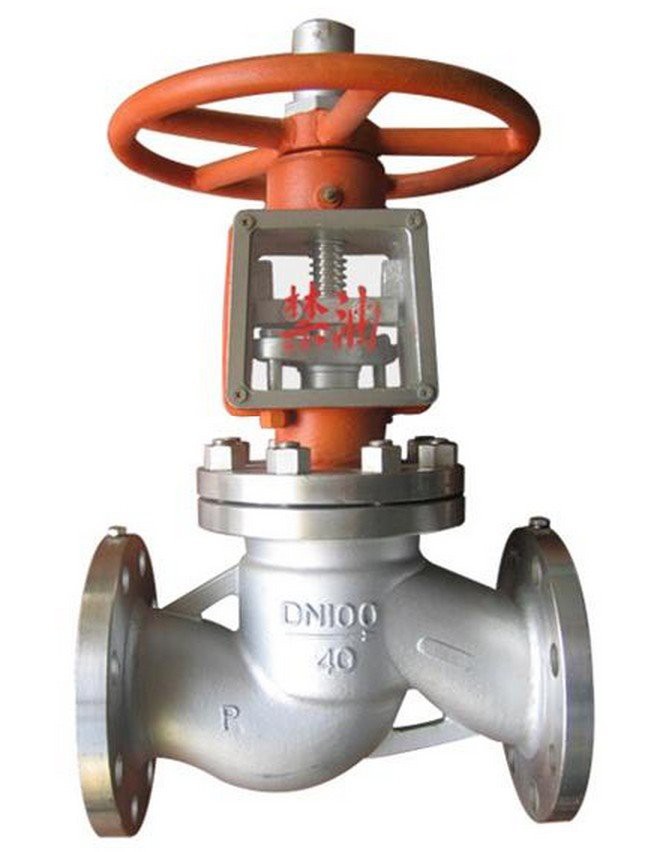
- Select the Right Valve: Choose a valve that is suitable for the specific application, considering factors like the type of fluid, pressure, temperature, and flow rate. For example, if you're dealing with a corrosive fluid, a Bellows Globe Valve might be a good option as it offers better protection against leakage.
- Monitor Operating Conditions: Keep an eye on the pressure and temperature of the fluid flowing through the valve. If the conditions are approaching the valve's design limits, take appropriate measures to adjust them.
If you're facing issues with globe valve leakage or are in the market for a new valve, we're here to help. We offer a wide range of high - quality globe valves, including Type B Screw Globe Valve, Stainless Steel Flanged Globe Valve, and Bellows Globe Valve. Our team of experts can assist you in selecting the right valve for your application and provide you with all the support you need. Don't hesitate to reach out to us for any procurement or technical discussions.
References
- "Valve Handbook" by J. A. Zielinski
- "Industrial Valves: Selection, Specification, and Installation" by D. W. Plummer