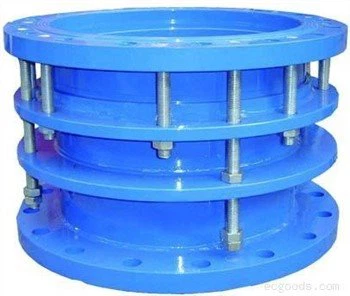
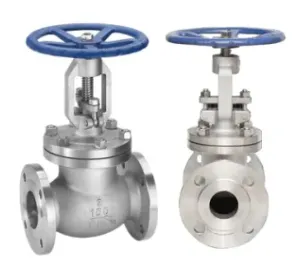
Hey there! As a supplier of Bellows Gate Valves, I've seen my fair share of issues, and one of the most common problems we get asked about is valve leakage. In this blog, I'm gonna break down the possible causes of Bellows Gate Valve leakage, so you can better understand what might be going wrong and how to fix it.
1. Bellows Damage
The bellows in a Bellows Gate Valve is a crucial component. It's designed to provide a seal between the stem and the valve body, preventing fluid from leaking out along the stem. But over time, the bellows can get damaged.
One reason for bellows damage is mechanical stress. If the valve is installed in an area where it's subject to a lot of vibration or if it's frequently opened and closed with too much force, the bellows can start to crack. Another factor is corrosion. If the fluid flowing through the valve is corrosive, it can eat away at the bellows material, weakening it and eventually causing a leak.
2. Seat Wear and Tear
The seats of a Bellows Gate Valve are where the gate makes contact to create a seal. Just like any other moving part, the seats can wear out over time.
Frequent operation of the valve can cause the seats to erode. Every time the gate moves across the seats, it can scrape away a little bit of the seat material. Also, if the fluid contains abrasive particles, these particles can act like sandpaper, wearing down the seats even faster. When the seats are worn, they can't provide a proper seal, and that's when leakage occurs.
3. Improper Installation
Believe it or not, a lot of valve leakage problems can be traced back to improper installation. If the valve isn't installed correctly, it might not be able to function as it should.
For example, if the valve isn't aligned properly with the pipeline, it can put uneven stress on the bellows and the seats. This uneven stress can lead to premature wear and damage, and eventually, leakage. Also, if the gaskets used during installation are of poor quality or aren't installed correctly, they can't provide a good seal, allowing fluid to leak out.
4. Pressure and Temperature Fluctuations
Bellows Gate Valves are designed to work within a certain range of pressure and temperature. If the pressure or temperature goes beyond this range, it can cause problems.
High pressure can put a lot of stress on the bellows and the seats. If the pressure is too high, it can cause the bellows to rupture or the seats to deform. On the other hand, extreme temperature changes can also affect the valve. For instance, if the temperature drops suddenly, the materials in the valve can contract, which might break the seal and cause leakage.
5. Contamination
Contamination in the fluid flowing through the valve can also lead to leakage. If there are foreign particles in the fluid, they can get stuck between the gate and the seats, preventing a proper seal.

These particles can be anything from dirt and debris to chemical deposits. Once they're in the valve, they can cause scratches on the seats and the gate, which can compromise the seal. And if the contamination is severe enough, it can even damage the bellows.
How to Prevent Leakage
Now that we've talked about the possible causes of Bellows Gate Valve leakage, let's discuss how to prevent it.
First of all, make sure you choose the right valve for your application. Consider the pressure, temperature, and the type of fluid that will be flowing through the valve. Also, invest in high - quality valves and installation materials.
Regular maintenance is also key. Inspect the valve regularly for signs of wear and tear, and replace any damaged parts as soon as possible. Keep the valve clean to prevent contamination.
If you're installing a new valve, follow the installation instructions carefully. Make sure the valve is properly aligned and the gaskets are installed correctly.
Our Product Range
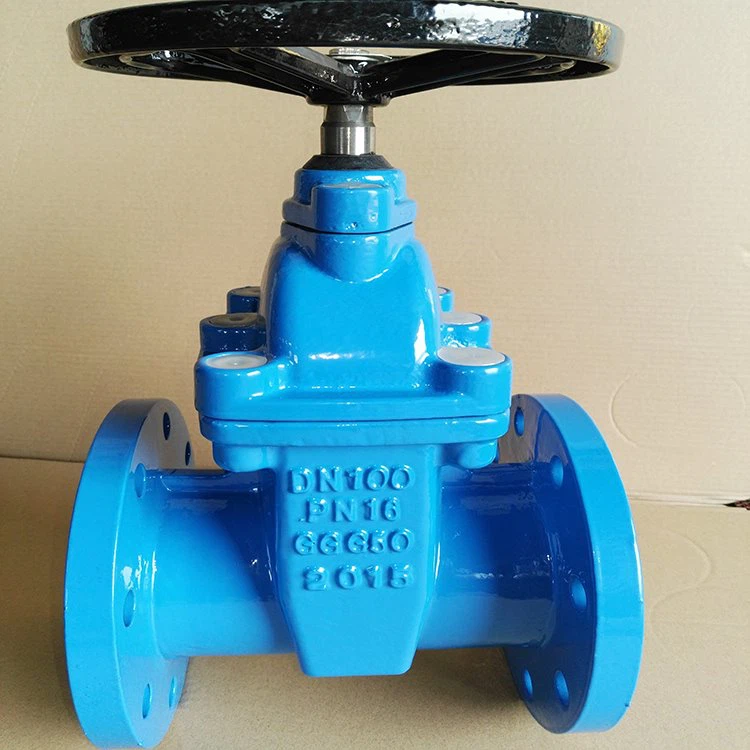
As a Bellows Gate Valve supplier, we offer a wide range of valves to meet different needs. We have the 16bar Dustile Iron Nrs Resilient Seat Wedge Gate Valve, which is great for many general applications. It provides a reliable seal and is built to last.
Our Rubber Seat Gate Valve is another popular choice. The rubber seats offer excellent sealing performance and are resistant to wear and tear.
And for those who need a valve that meets specific standards, we have the BS5163 Gate Valve BS5163. This valve is designed according to the BS5163 standard, ensuring high - quality and reliable performance.
Contact Us for Purchase
If you're in the market for a Bellows Gate Valve or have any questions about valve leakage or our products, don't hesitate to reach out. We're here to help you find the right valve for your needs and ensure that it works properly. Whether you're a small business or a large industrial operation, we can provide you with the valves and support you need.
References
- "Valve Handbook: Principles and Applications" by Tom Gamble
- "Industrial Valves: Selection, Specification, and Installation" by Cameron Engineers