As a well - established supplier of ANSI Gate Valves, I've had the privilege of witnessing the diverse applications and significance of these valves in various industries. In this blog, I aim to delve into the cost aspects of ANSI Gate Valves, providing a comprehensive overview for those considering purchasing these essential components.
Understanding ANSI Gate Valves
ANSI (American National Standards Institute) Gate Valves are designed and manufactured according to the standards set by the ANSI. These valves are widely used in numerous industries such as oil and gas, water treatment, power generation, and chemical processing. Their primary function is to control the flow of fluids by either fully opening or fully closing the passageway. The design of gate valves allows for minimal pressure drop when fully open, making them suitable for applications where a straight - through flow with low resistance is required.
Factors Affecting the Cost of ANSI Gate Valves
1. Material of Construction
The material used in the construction of ANSI Gate Valves is one of the most significant factors influencing their cost. Common materials include cast iron, carbon steel, stainless steel, and alloy steel.
- Cast Iron: Cast iron gate valves are the most economical option. They are suitable for applications where the fluid is relatively non - corrosive and the pressure is not extremely high. For example, in some water distribution systems in residential areas, cast iron gate valves are often used due to their low cost.
- Carbon Steel: Carbon steel gate valves offer better strength and durability compared to cast iron. They can withstand higher pressures and are commonly used in oil and gas pipelines. The cost of carbon steel gate valves is higher than that of cast iron but is still relatively affordable for many industrial applications.
- Stainless Steel: Stainless steel gate valves are corrosion - resistant, making them ideal for applications where the fluid is corrosive, such as in chemical processing plants or marine environments. The cost of stainless steel gate valves is significantly higher than that of cast iron and carbon steel due to the higher cost of stainless steel material and the additional processing required to ensure corrosion resistance.
- Alloy Steel: Alloy steel gate valves are used in high - temperature and high - pressure applications, such as in power generation plants. The alloying elements in the steel provide enhanced strength and resistance to wear and tear. These valves are the most expensive among the common materials due to the complex manufacturing process and the high - cost of alloying elements.
2. Valve Size
The size of the ANSI Gate Valve also has a direct impact on its cost. Larger valves require more material for construction, and the manufacturing process is more complex. For example, a 2 - inch gate valve will cost less than a 12 - inch gate valve. The increase in cost is not just proportional to the increase in size but also due to the additional engineering and manufacturing requirements for larger valves.
3. Design and Features
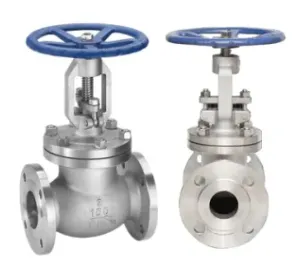
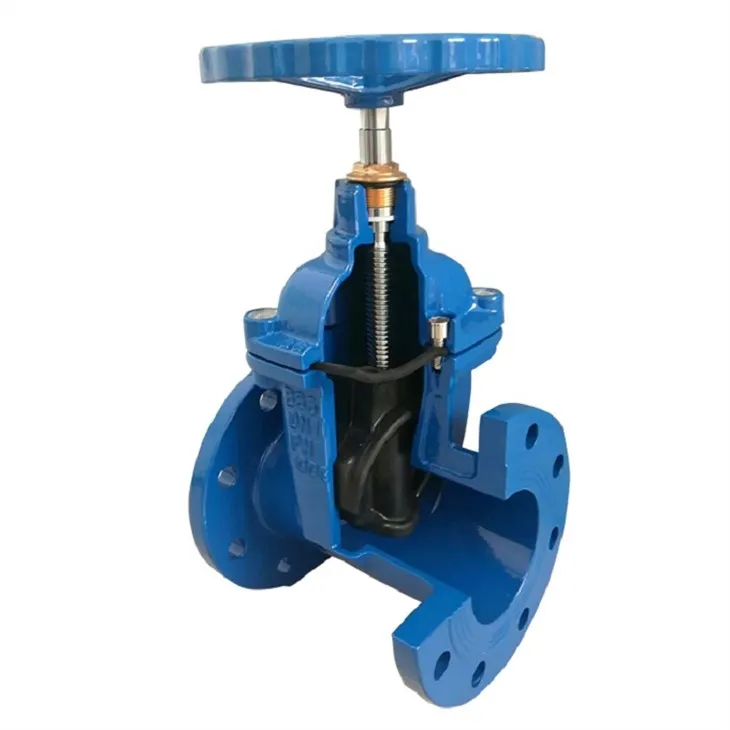
- Non - rising Stem vs. Rising Stem: Rising stem gate valves have a stem that moves up and down as the valve is opened or closed, providing a visual indication of the valve's position. Non - rising stem gate valves, on the other hand, have a stem that rotates but does not move axially. Non - rising Stem Gate Valve designs are often used in applications where space is limited. Generally, rising stem gate valves are more expensive due to their more complex design and the additional components required.
- Flanged vs. Threaded Ends: Flanged gate valves are easier to install and provide a more secure connection compared to threaded gate valves. They are commonly used in high - pressure and large - diameter applications. However, the flanges add to the cost of the valve. Threaded gate valves are more suitable for low - pressure and small - diameter applications and are relatively cheaper.
- Additional Features: Some gate valves come with additional features such as extended bonnets for use in buried applications, fire - safe design for applications where fire protection is required, and automated operation using electric, pneumatic, or hydraulic actuators. These additional features will increase the cost of the valve.
4. Market Conditions
The cost of ANSI Gate Valves is also affected by market conditions. Fluctuations in the price of raw materials, such as steel, can have a significant impact on the cost of the valves. Additionally, supply and demand dynamics in the market can cause price variations. If there is a high demand for gate valves in a particular region or industry, the prices may increase.

Cost Ranges of ANSI Gate Valves
It's difficult to provide an exact cost for ANSI Gate Valves as it varies widely depending on the factors mentioned above. However, I can give a general cost range for different types of gate valves:
- Small - sized (1 - 2 inches) Cast Iron Gate Valves: These can cost anywhere from $50 to $200.
- Medium - sized (4 - 6 inches) Carbon Steel Gate Valves: The cost can range from $200 to $1000.
- Large - sized (8 - 12 inches) Stainless Steel Gate Valves: These may cost between $1000 and $5000.
- High - performance Alloy Steel Gate Valves with Special Features: The cost can exceed $5000, especially for large - diameter valves with automated actuators.
Cost - Benefit Analysis
When considering the cost of ANSI Gate Valves, it's important to conduct a cost - benefit analysis. A cheaper valve may seem like a good option initially, but it may not be suitable for the long - term requirements of the application. For example, a cast iron gate valve may fail prematurely in a corrosive environment, leading to additional costs for replacement and downtime. On the other hand, investing in a high - quality stainless steel or alloy steel gate valve may have a higher upfront cost but can provide reliable service over a longer period, reducing the overall cost of ownership.
Our Offerings
As a supplier of ANSI Gate Valves, we offer a wide range of products to meet the diverse needs of our customers. Our product portfolio includes Non stem Flanged Gate Valve Z45H, which is known for its reliable performance and durability. We also have Manual Slurry Valve options suitable for applications involving abrasive slurries.
We understand that cost is an important factor for our customers, and we strive to provide cost - effective solutions without compromising on quality. Our team of experts can assist you in selecting the right valve for your specific application, taking into account factors such as material, size, design, and budget.
Contact Us for Purchase and Negotiation
If you are in the market for ANSI Gate Valves, we encourage you to contact us for a detailed quote. Our sales team is ready to discuss your requirements and provide you with the best possible pricing and product options. Whether you need a single valve for a small - scale project or a large quantity of valves for an industrial installation, we are here to serve you.
References
- "Valve Handbook" by Peter A. Schweitzer.
- ANSI/ASME Standards for Gate Valves.
- Industry reports on valve manufacturing and pricing trends.