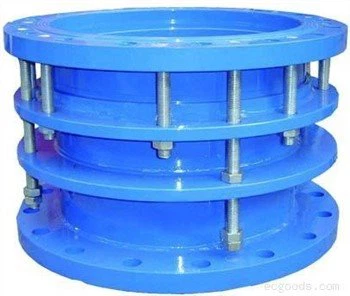
In the realm of fluid control systems, globe valves play a crucial role. As a dedicated globe valve supplier, I've witnessed firsthand the importance of understanding the differences between manual and automated globe valves. This knowledge is essential for buyers to make informed decisions based on their specific needs.
Structural and Operational Principles
Manual Globe Valves
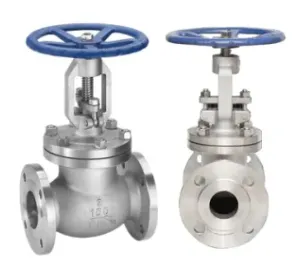
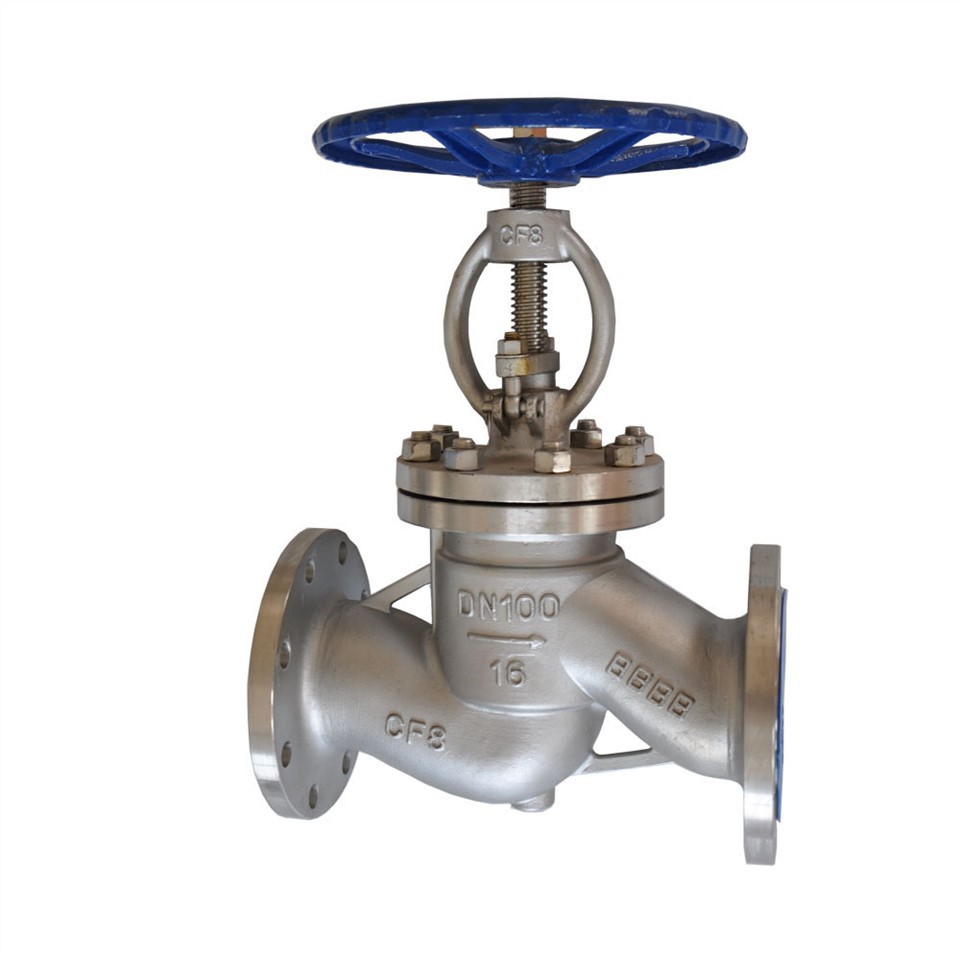
Manual globe valves feature a relatively straightforward structure. They typically consist of a valve body, valve bonnet, valve stem, valve disc, and a handwheel for operation. When the handwheel is turned clockwise, the valve stem moves downward, pushing the valve disc against the valve seat, thus closing the valve and stopping the flow of fluid. Conversely, turning the handwheel counter - clockwise raises the valve stem and the valve disc, allowing fluid to pass through.
The simplicity of their design makes manual globe valves easy to understand and operate. They are often used in applications where the flow rate doesn't need to be adjusted frequently or where the system is relatively small - scale. For example, in some small - scale industrial plants or residential plumbing systems, manual globe valves can effectively control the on - off and flow adjustment of water, gas, or other fluids. Many old - fashioned factories still rely on these valves because of their reliability and ease of maintenance.
Automated Globe Valves
Automated globe valves, on the other hand, have a more complex structure. In addition to the basic components found in manual globe valves, they are equipped with an actuator. The actuator can be powered by electricity, pneumatic power, or hydraulic power. Electric actuators are popular for their accuracy and ease of integration with control systems. Pneumatic actuators are favored for their fast response and suitability for explosive or hazardous environments. Hydraulic actuators provide high - torque output, making them ideal for large - diameter or high - pressure applications.
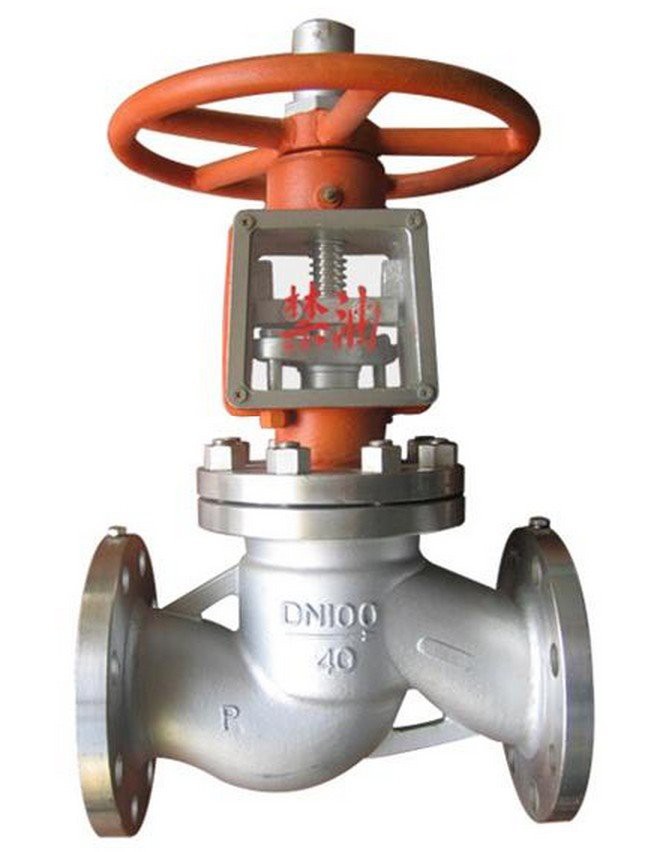
The operation of automated globe valves is controlled by signals from an external control system. This system can be a simple on - off switch, a programmable logic controller (PLC), or a more advanced supervisory control and data acquisition (SCADA) system. When a control signal is received, the actuator drives the valve stem to move the valve disc, adjusting the valve opening and thus controlling the fluid flow. In modern industrial processes, automated globe valves are often used in large - scale chemical plants, power generation facilities, and oil refineries, where precise and real - time control of fluid flow is required.
Performance Comparison
Flow Control Accuracy
Manual globe valves offer relatively limited flow control accuracy. The operator adjusts the valve opening by hand, and the degree of opening depends on the operator's experience and judgment. This can lead to inconsistent flow rates, especially when fine - tuning is required. For instance, in a heating system that requires a precise flow of hot water to maintain a constant temperature, a manual globe valve may struggle to provide the necessary accuracy.
Automated globe valves, however, can achieve high - precision flow control. The control system can accurately adjust the valve opening according to pre - set parameters or real - time feedback from sensors. In a chemical reaction process where the exact amount of reactant flow is critical for the reaction result, an automated globe valve can precisely control the flow rate, ensuring the stability and quality of the reaction.
Response Speed
Manual globe valves have a relatively slow response speed. The operator needs to physically turn the handwheel, and the time required to open or close the valve depends on the size of the valve and the operator's physical strength. In an emergency situation where quick shutdown is necessary, manual globe valves may not be able to respond in time.
Automated globe valves can respond rapidly to control signals. Electric actuators can open or close the valve within seconds, while pneumatic actuators can even achieve millisecond - level response times in some cases. In a pipeline where sudden pressure changes need to be quickly adjusted, an automated globe valve can quickly adapt to the new conditions, preventing potential damage to the system.
Reliability and Maintenance
Manual globe valves are generally considered reliable due to their simple structure. They have fewer components that can fail, and maintenance mainly involves replacing worn - out valve discs or valve stems. The maintenance process is relatively straightforward and can often be carried out on - site by general maintenance personnel.
Automated globe valves, while offering high performance, have more complex components. The actuator, control system, and associated electrical or pneumatic connections all need regular inspection and maintenance. A malfunction in the actuator or control system can cause the valve to fail to operate properly. However, with proper maintenance and monitoring, automated globe valves can also provide long - term reliable service. In some critical applications, backup control systems and redundant actuators are often installed to ensure system reliability.
Application Scenarios
Manual Globe Valves
Manual globe valves are widely used in situations where cost - effectiveness and simplicity are key. For example, in some rural water supply systems, manual globe valves are installed at the main water inlet and branch pipes. These valves are easy to operate by local maintenance personnel, and their relatively low cost makes them suitable for such small - budget projects. Another application is in small - scale HVAC systems in residential buildings. Homeowners or maintenance workers can easily adjust the flow of hot or cold water by turning the handwheel on the manual globe valve, controlling the indoor temperature.
Automated Globe Valves
Automated globe valves are indispensable in large - scale and high - precision industrial applications. In the petrochemical industry, where thousands of tons of oil and gas are processed every day, automated globe valves are used to precisely control the flow of raw materials, intermediate products, and final products in the pipelines. They can be integrated with the plant's overall control system, ensuring that the production process runs smoothly and safely. In power generation plants, especially in nuclear power plants, automated globe valves are used to control the flow of coolant, steam, and other fluids, where precise and reliable control is of utmost importance for the safety and efficiency of the power generation process.
Some of Our Recommended Globe Valves
As a globe valve supplier, I would like to briefly introduce some of our high - quality products.
- American Standard Manual Globe Valve: This valve adheres to strict American standards, ensuring high - quality performance. It is made of durable materials, suitable for a variety of fluid control applications. Its simple operation makes it a popular choice for many industrial and commercial users.
- Type B Screw Globe Valve: The Type B Screw Globe Valve features a unique screw - type design, providing more precise flow control. It is often used in applications where fine - adjustment of fluid flow is required, such as in some precision chemical processes.
- Stainless Steel Flanged Globe Valve: Made of high - quality stainless steel, this valve has excellent corrosion resistance. The flanged connection design makes it easy to install and disassemble, suitable for use in harsh environments such as marine or chemical plants.
Conclusion
In conclusion, the differences between manual and automated globe valves are significant in terms of structure, performance, and application scenarios. Manual globe valves are simple, cost - effective, and suitable for small - scale and less - critical applications. Automated globe valves, on the other hand, offer high - precision control, rapid response, and are essential for large - scale, high - tech industrial processes.
If you are in the process of selecting globe valves for your project, it is crucial to carefully consider your specific requirements, such as flow control accuracy, response speed, budget, and maintenance capabilities. As a professional globe valve supplier, we have a wide range of products to meet your diverse needs. Whether you need a simple manual globe valve or a sophisticated automated one, we can provide you with the best solutions. If you have any questions or are interested in our products, please feel free to contact us for a detailed discussion and procurement negotiation.
References
- Smith, J. (2018). Handbook of Valve Technology. New York: Industrial Press.
- Johnson, R. (2019). Fluid Control Systems in Modern Industries. London: Elsevier.
- Brown, A. (2020). Advances in Globe Valve Design and Application. Tokyo: Wiley - Japan.