When it comes to industrial valves, bellows gate valves are a crucial component in many piping systems. They are designed to control the flow of various fluids, including liquids and gases, in a wide range of applications. One of the key decisions when selecting a bellows gate valve is whether to choose a soft-seated or a hard-seated option. In this blog post, I'll delve into the differences between these two types of bellows gate valves, drawing on my experience as a bellows gate valve supplier.
Understanding the Basics of Bellows Gate Valves
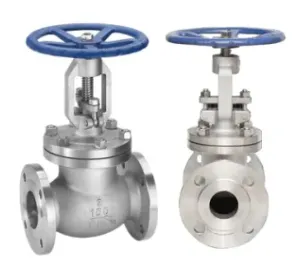
Before we explore the differences between soft-seated and hard-seated bellows gate valves, let's first understand what bellows gate valves are. A bellows gate valve is a type of valve that uses a gate to control the flow of fluid through a pipe. The gate is typically a flat or wedge-shaped disc that moves up and down to open or close the valve. The bellows component is a flexible, accordion-like structure that provides a hermetic seal between the valve stem and the body, preventing leakage of the fluid being handled.
Bellows gate valves are commonly used in applications where a tight shut-off is required, such as in chemical processing, oil and gas, power generation, and other industries. They are known for their reliability, durability, and ability to handle high-pressure and high-temperature conditions.
Soft-Seated Bellows Gate Valves
Soft-seated bellows gate valves feature a seat made of a soft material, such as rubber, PTFE (polytetrafluoroethylene), or other elastomers. These materials are chosen for their ability to provide a tight seal against the gate, even in low-pressure applications. The soft seat conforms to the shape of the gate, ensuring a leak-tight closure and preventing the passage of fluid when the valve is closed.
Advantages of Soft-Seated Bellows Gate Valves
- Excellent Sealing Performance: Soft seats can achieve a very tight seal, even with minor irregularities on the gate surface. This makes them ideal for applications where zero leakage is required, such as in the handling of toxic or hazardous fluids.
- Low Operating Torque: The soft material of the seat reduces the friction between the gate and the seat, resulting in lower operating torque. This means that less force is required to open and close the valve, which can be beneficial in applications where manual operation is involved.
- Corrosion Resistance: Many soft seat materials, such as PTFE, are highly resistant to corrosion. This makes soft-seated bellows gate valves suitable for use in corrosive environments, where they can withstand the effects of chemicals and other aggressive substances.
Disadvantages of Soft-Seated Bellows Gate Valves
- Limited Temperature and Pressure Ratings: Soft seat materials have lower temperature and pressure ratings compared to hard seat materials. This restricts their use in high-temperature and high-pressure applications.
- Wear and Tear: The soft seat is more prone to wear and tear, especially in applications where the valve is frequently opened and closed. Over time, the seat may become damaged, leading to leakage and reduced performance.
- Chemical Compatibility: Not all soft seat materials are compatible with all types of fluids. Care must be taken to select a seat material that is compatible with the fluid being handled to avoid chemical reactions and degradation of the seat.
If you are interested in soft-seated bellows gate valves, you can check out our Cast Iron F4 Resilient Seated Gate Valve, which offers excellent sealing performance and corrosion resistance.
Hard-Seated Bellows Gate Valves
Hard-seated bellows gate valves, on the other hand, feature a seat made of a hard material, such as metal, ceramic, or other hard alloys. These materials are chosen for their ability to withstand high temperatures, high pressures, and abrasive media. The hard seat provides a durable and long-lasting seal, even in harsh operating conditions.
Advantages of Hard-Seated Bellows Gate Valves
- High Temperature and Pressure Ratings: Hard seat materials can withstand much higher temperatures and pressures compared to soft seat materials. This makes hard-seated bellows gate valves suitable for use in high-temperature and high-pressure applications, such as in power plants and refineries.
- Abrasion Resistance: Hard seats are highly resistant to abrasion, making them ideal for use in applications where the fluid contains solid particles or abrasive substances. The hard seat can withstand the erosive effects of the fluid, ensuring a long service life.
- Longevity: Hard-seated bellows gate valves are generally more durable and have a longer service life compared to soft-seated valves. They can withstand frequent cycling and harsh operating conditions without significant wear and tear.
Disadvantages of Hard-Seated Bellows Gate Valves
- Poor Sealing Performance at Low Pressures: Hard seats may not provide as tight a seal as soft seats at low pressures. This can result in some leakage, especially in applications where a very low-pressure differential exists across the valve.
- Higher Operating Torque: The hard material of the seat increases the friction between the gate and the seat, resulting in higher operating torque. This means that more force is required to open and close the valve, which can be a drawback in applications where manual operation is involved.
- Cost: Hard-seated bellows gate valves are generally more expensive than soft-seated valves due to the use of high-quality materials and the more complex manufacturing processes involved.
For hard-seated bellows gate valves, our Non Rising Stem Groove Resilient Gate Valve and American Standard Flanged Gate Valves are excellent options, offering high performance and reliability in demanding applications.
Application Considerations
When choosing between a soft-seated and a hard-seated bellows gate valve, it is important to consider the specific requirements of the application. Here are some factors to consider:
- Fluid Characteristics: The type of fluid being handled, including its temperature, pressure, viscosity, and chemical composition, will determine the suitability of the valve seat material. For example, if the fluid is corrosive, a soft seat material with good corrosion resistance may be required. If the fluid contains abrasive particles, a hard seat material may be more appropriate.
- Operating Conditions: The operating temperature and pressure of the system will also influence the choice of valve seat material. High-temperature and high-pressure applications will typically require a hard-seated valve, while low-temperature and low-pressure applications may be suitable for a soft-seated valve.
- Frequency of Operation: If the valve is frequently opened and closed, a hard-seated valve may be more durable and have a longer service life. However, if the valve is only operated occasionally, a soft-seated valve may be sufficient.
- Leakage Requirements: If zero leakage is required, a soft-seated valve may be the better choice, as it can provide a tighter seal. However, if some leakage is acceptable, a hard-seated valve may be more suitable, especially in high-temperature and high-pressure applications.
Conclusion
In summary, the choice between a soft-seated and a hard-seated bellows gate valve depends on a variety of factors, including the fluid characteristics, operating conditions, frequency of operation, and leakage requirements. Soft-seated bellows gate valves offer excellent sealing performance, low operating torque, and corrosion resistance, but are limited in terms of temperature and pressure ratings and may be more prone to wear and tear. Hard-seated bellows gate valves, on the other hand, can withstand high temperatures, high pressures, and abrasive media, but may have poor sealing performance at low pressures and require higher operating torque.
As a bellows gate valve supplier, I am committed to providing our customers with the best valve solutions for their specific applications. Whether you need a soft-seated or a hard-seated bellows gate valve, we have a wide range of products to choose from, including the Cast Iron F4 Resilient Seated Gate Valve, Non Rising Stem Groove Resilient Gate Valve, and American Standard Flanged Gate Valves.
If you have any questions or need assistance in selecting the right bellows gate valve for your application, please don't hesitate to contact us. Our team of experts is ready to help you make an informed decision and ensure that you get the best valve solution for your needs.


References
- Valve Handbook, CRC Press
- Fluid Mechanics and Thermodynamics of Turbomachinery, Elsevier