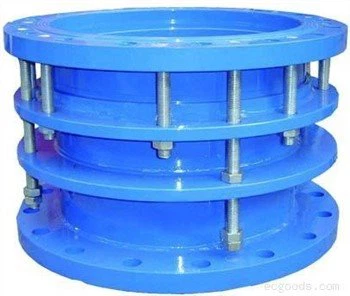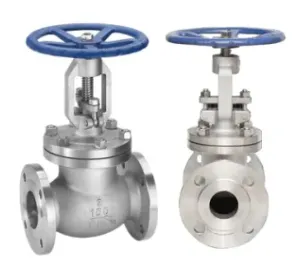
Gate valves are essential components in various industrial applications, controlling the flow of liquids and gases. Among the different standards for gate valves, ANSI and DIN are two widely recognized ones. As an ANSI Gate Valve supplier, I have in - depth knowledge of these two types of gate valves and their differences. In this blog, I will explore the distinctions between ANSI Gate Valves and DIN Gate Valves.

1. Origin and Standardization
ANSI, or the American National Standards Institute, is responsible for the standardization of ANSI Gate Valves in the United States. The ANSI standards are designed to ensure compatibility, safety, and quality across different industries in the country. These standards are widely adopted in North America and many other regions that have business and trade connections with the United States.
On the other hand, DIN stands for Deutsches Institut für Normung, which is the German Institute for Standardization. DIN Gate Valves are based on German standards, which are well - known for their precision and high - quality manufacturing requirements. The DIN standards are commonly used in Europe, especially in Germany and other countries with strong industrial ties to Germany.
2. Dimensions and Sizes
One of the most obvious differences between ANSI and DIN Gate Valves lies in their dimensions and sizes. ANSI Gate Valves typically follow the ANSI B16.34 standard for valve face - to - face dimensions. This standard defines the specific lengths between the inlet and outlet faces of the valve, which is crucial for proper installation in a piping system. The sizes of ANSI Gate Valves are often expressed in inches, such as 2 inches, 4 inches, 6 inches, etc.
DIN Gate Valves, however, adhere to DIN standards for dimensions. The face - to - face dimensions of DIN Gate Valves are different from those of ANSI Gate Valves. DIN valve sizes are usually measured in millimeters. For example, a common DIN valve size might be 50 mm, 100 mm, 150 mm. This difference in sizing can cause significant challenges when trying to replace an ANSI valve with a DIN valve or vice versa in an existing piping system without proper adaptation.
3. Pressure Ratings
Pressure rating is another important aspect where ANSI and DIN Gate Valves differ. ANSI Gate Valves are rated according to ANSI B16.34, which uses a class system to denote the pressure - temperature ratings. For example, a Class 150 ANSI Gate Valve is designed to handle a certain maximum pressure at a specific temperature range. The class numbers in ANSI standards are related to the allowable pressure in pounds per square inch (psi) at a reference temperature.
DIN Gate Valves have their own pressure rating system. They are rated in accordance with DIN standards, which use a PN (Pressure Nominal) system. The PN value indicates the maximum allowable pressure in bars at a reference temperature. For instance, a PN16 DIN Gate Valve can withstand a maximum pressure of 16 bars under specified temperature conditions. The conversion between ANSI class and DIN PN ratings is not always straightforward and requires careful consideration when selecting a valve for a particular application.
4. Flange Connections
Flange connections are crucial for the proper installation and sealing of gate valves in a piping system. ANSI Gate Valves use ANSI B16.5 or ANSI B16.47 standards for flanges. ANSI flanges have specific bolt hole patterns, flange thicknesses, and face finishes. The flange connections of ANSI Gate Valves are designed to be compatible with other ANSI - compliant piping components.
DIN Gate Valves, on the other hand, follow DIN standards for flanges. DIN flanges have different bolt hole patterns, flange dimensions, and face finishes compared to ANSI flanges. The differences in flange connections mean that an ANSI Gate Valve cannot be directly connected to a DIN - compliant piping system without the use of special adapters or conversion flanges.
5. Design and Construction
The design and construction of ANSI and DIN Gate Valves also show some differences. ANSI Gate Valves often feature a design that is optimized for the requirements of the North American market. They may have a more robust construction to withstand the harsh operating conditions in industries such as oil and gas, chemical processing, and power generation.
DIN Gate Valves are known for their precision engineering. German manufacturing standards emphasize high - quality materials and precise machining. DIN Gate Valves may have a more compact design in some cases, which can be beneficial in applications where space is limited.
6. Applications
The differences in design, dimensions, and pressure ratings of ANSI and DIN Gate Valves also lead to differences in their applications. ANSI Gate Valves are widely used in industries in North America, such as the oil and gas industry, where large - scale pipeline systems are common. They are also popular in the chemical and petrochemical industries, power plants, and water treatment facilities.
DIN Gate Valves are commonly found in European industries, especially in Germany's manufacturing - intensive sectors. They are used in applications such as food and beverage processing, pharmaceutical manufacturing, and automotive production, where precision and high - quality control are essential.
7. Our ANSI Gate Valve Offerings
As an ANSI Gate Valve supplier, we offer a wide range of high - quality ANSI Gate Valves to meet the diverse needs of our customers. Our product line includes Knife Gate Valve, which is suitable for applications involving thick or viscous fluids. The Knife Gate Valve has a sharp - edged gate that can cut through solids and debris, ensuring smooth operation even in challenging environments.
We also provide F4 Gate Valve F4, which is known for its excellent corrosion resistance. This type of valve is ideal for use in chemical processing plants where the fluid being transported is highly corrosive.
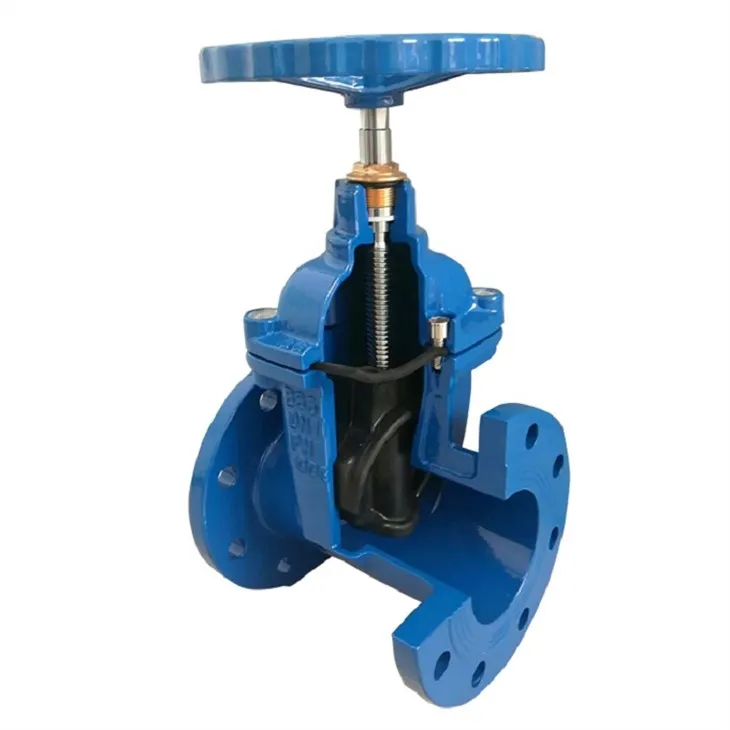
In addition, our Non - rising Stem Gate Valve is a popular choice for applications where space is limited. The non - rising stem design allows the valve to be installed in areas with low overhead clearance.
Conclusion
In conclusion, ANSI and DIN Gate Valves have significant differences in terms of origin, dimensions, pressure ratings, flange connections, design, and applications. When choosing a gate valve for a particular project, it is essential to consider these differences carefully to ensure proper installation and optimal performance.
As a reliable ANSI Gate Valve supplier, we are committed to providing high - quality products and excellent customer service. If you are in the market for ANSI Gate Valves, or if you have any questions about the differences between ANSI and DIN Gate Valves, please feel free to contact us for more information and to start a procurement discussion. We look forward to working with you to meet your valve requirements.
References
- ANSI B16.34 - Valves - Flanged, Threaded, and Welding End
- DIN Standards related to gate valves and flanges
- Industry literature on valve selection and application