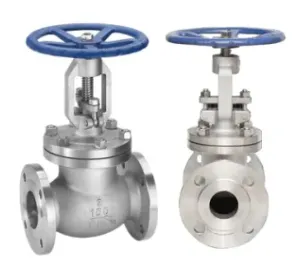
Fluid viscosity plays a crucial role in the performance and operation of a Rising Stem Gate Valve. As a leading supplier of Rising Stem Gate Valves, I have witnessed firsthand the significant impact that fluid viscosity can have on these essential components in various industrial applications. In this blog, we will explore the effects of fluid viscosity on Rising Stem Gate Valves, including how it influences valve operation, performance, and maintenance.
Understanding Fluid Viscosity
Viscosity is a measure of a fluid's resistance to flow. It describes the internal friction within a fluid as its molecules move past one another. High - viscosity fluids, such as honey or heavy oils, flow slowly because their molecules are more strongly attracted to each other, creating greater resistance to movement. In contrast, low - viscosity fluids like water flow easily as their molecules have less interaction and can move more freely.
Impact on Valve Operation
Opening and Closing Force
One of the most immediate effects of fluid viscosity on a Rising Stem Gate Valve is the force required to open and close the valve. In a low - viscosity fluid system, the gate can move relatively easily through the fluid. The fluid offers minimal resistance to the gate's motion, and thus, the actuator (whether manual, electric, or hydraulic) needs to exert only a small amount of force to operate the valve.
However, when dealing with high - viscosity fluids, the situation changes dramatically. The gate has to push through a thick, sticky fluid, which requires significantly more force. For manual valves, this means that operators may find it difficult or even impossible to open or close the valve by hand. In the case of powered actuators, they need to be more powerful to overcome the increased resistance. For example, in a heavy oil pipeline, the Rising Stem Gate Valve may need a larger electric motor or a more robust hydraulic system to ensure proper operation.
Operating Time
Fluid viscosity also affects the operating time of the valve. In a low - viscosity system, the gate can move quickly through the fluid, allowing for rapid opening and closing of the valve. This is beneficial in applications where quick response times are required, such as in emergency shutdown systems.
On the other hand, high - viscosity fluids slow down the movement of the gate. The gate has to displace a large amount of thick fluid, which takes more time. A valve that can open in a few seconds in a water system may take several minutes to open in a high - viscosity oil system. This extended operating time can be a drawback in applications where fast valve operation is essential.
Influence on Valve Performance
Sealing Performance
The sealing performance of a Rising Stem Gate Valve is critical for preventing leakage. In low - viscosity fluid applications, the valve can form a tight seal more easily. The fluid does not have enough viscosity to seep through small gaps between the gate and the seat. The valve's sealing surfaces can come into close contact, and the pressure of the fluid helps to maintain the seal.
High - viscosity fluids, however, can pose challenges to sealing. The thick fluid may get trapped between the gate and the seat, preventing a proper seal from forming. Over time, the build - up of viscous fluid on the sealing surfaces can cause wear and damage, leading to leakage. Additionally, the high - pressure drop across the valve due to the viscous fluid can further stress the sealing components, increasing the risk of failure.


Flow Control
In terms of flow control, fluid viscosity affects the accuracy of the valve. In a low - viscosity system, the valve can precisely control the flow rate. The gate's position can be adjusted to allow for a specific amount of fluid to pass through the valve. The flow is relatively predictable, and the valve can maintain a stable flow rate.
For high - viscosity fluids, flow control becomes more challenging. The non - Newtonian behavior of some high - viscosity fluids means that their viscosity can change depending on the shear rate. As the gate moves and the fluid is sheared, its viscosity may vary, making it difficult to accurately control the flow rate. The valve may need to be adjusted more frequently to maintain the desired flow.
Effects on Valve Maintenance
Wear and Tear
High - viscosity fluids can cause increased wear and tear on the Rising Stem Gate Valve. The thick fluid acts as an abrasive, especially when it contains solid particles. As the gate moves through the fluid, the fluid and particles can scratch and erode the valve's internal surfaces, including the gate, seat, and stem. This wear can lead to reduced valve performance, increased leakage, and ultimately, valve failure.
In contrast, low - viscosity fluids are less likely to cause significant wear. They do not have the same abrasive properties as high - viscosity fluids, and thus, the valve components experience less stress and damage over time.
Cleaning and Maintenance Frequency
The presence of high - viscosity fluids also increases the cleaning and maintenance frequency of the valve. Viscous fluids tend to stick to the valve's internal surfaces, and over time, they can build up and form deposits. These deposits can interfere with the valve's operation and affect its sealing performance. Regular cleaning is required to remove the deposits and ensure proper valve function.
Low - viscosity fluids are easier to clean from the valve. They do not adhere to the surfaces as strongly, and a simple flush may be sufficient to keep the valve clean.
Special Considerations for Different Types of Rising Stem Gate Valves
Rubber Seat Gate Valve
Rubber seat gate valves are commonly used in various applications due to their good sealing performance. However, in high - viscosity fluid applications, the rubber seat can be affected. The high - viscosity fluid may cause the rubber to swell or degrade over time. Additionally, the increased force required to operate the valve in high - viscosity fluids can put more stress on the rubber seat, leading to premature failure.
Bevel Gear Flanged Gate Valve Z541H
The bevel gear mechanism in the Z541H valve helps to transmit the operating force more efficiently. In high - viscosity applications, the bevel gear system needs to be more robust to handle the increased torque requirements. The gears may experience more wear due to the higher forces, and proper lubrication becomes even more crucial to ensure smooth operation.
Manual Slurry Valve
Manual slurry valves are often used in applications where the fluid contains solid particles in addition to being viscous. The high - viscosity slurry can make it extremely difficult to operate the valve manually. The solid particles in the slurry can also cause severe wear on the valve components, especially the gate and seat. Special design features may be required to prevent clogging and ensure reliable operation.
Conclusion
In conclusion, fluid viscosity has a profound impact on the operation, performance, and maintenance of Rising Stem Gate Valves. As a supplier, we understand the challenges that high - viscosity fluids present and offer solutions to address these issues. Our valves are designed to be robust and reliable, even in the most demanding high - viscosity applications.
If you are facing challenges with Rising Stem Gate Valves in high - viscosity fluid systems or are looking for a reliable valve solution for your project, we are here to help. Our team of experts can provide you with customized valve solutions based on your specific requirements. Contact us today to start a discussion about your valve needs and explore how we can assist you in achieving optimal valve performance.
References
- "Valve Handbook: Principles and Applications" by J. R. Arnold
- "Fluid Mechanics" by Frank M. White
- Industry standards and guidelines related to valve design and operation in high - viscosity fluid applications.