Temperature changes can have a significant impact on the performance and lifespan of globe valves. As a leading globe valve supplier, we understand the importance of these effects and are committed to providing high - quality products that can withstand various temperature conditions. In this blog, we will explore the different ways temperature changes affect globe valves.
1. Material Properties and Temperature
Globe valves are made from a variety of materials, including cast iron, carbon steel, and stainless steel. Each material has its own unique set of properties that are affected by temperature.
Cast Iron
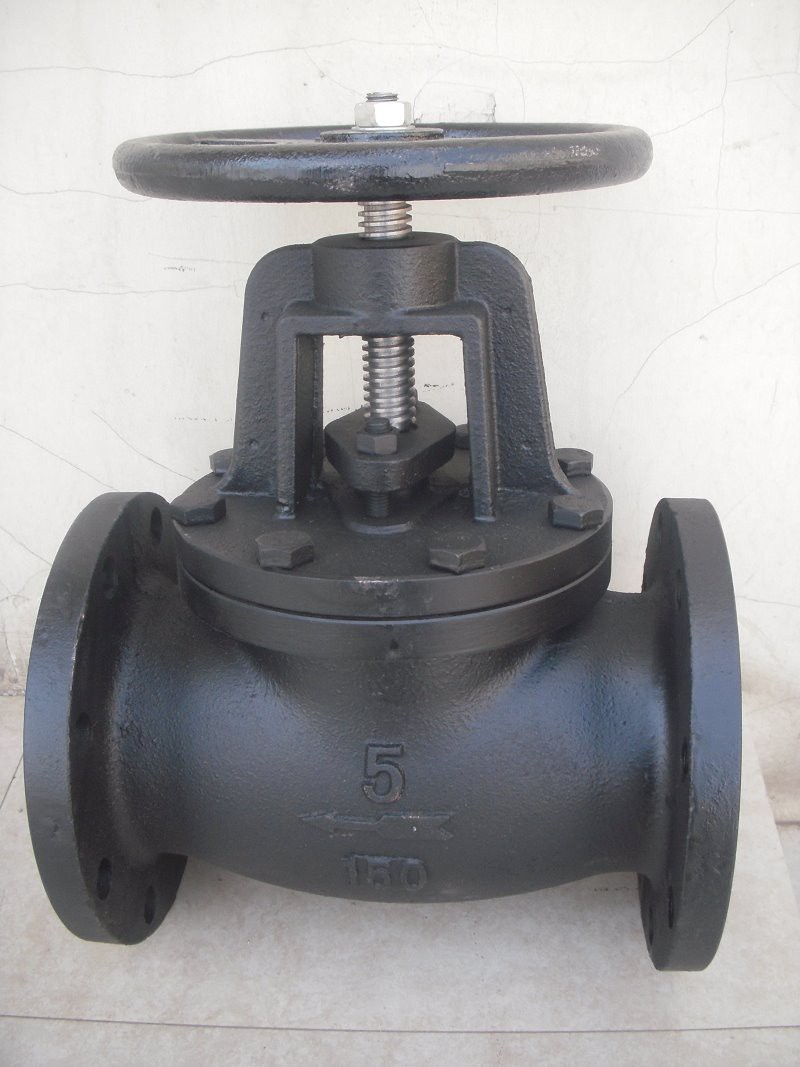
Cast iron is a common material for globe valves, especially in applications where cost - effectiveness is a priority. However, cast iron is brittle and has a relatively low thermal conductivity. At low temperatures, cast iron becomes even more brittle, increasing the risk of cracking. For example, in cold climate regions, if a cast iron Cast Iron Flange Globe Valve is exposed to extremely low temperatures, the material may not be able to withstand the internal stresses caused by temperature - induced contractions, leading to valve failure.
On the other hand, at high temperatures, cast iron may experience a reduction in strength. Prolonged exposure to high temperatures can cause the graphite in cast iron to oxidize, which weakens the material structure. This can result in deformation of the valve body and affect the sealing performance of the valve.
Carbon Steel
Carbon steel is widely used in globe valves due to its good strength and relatively low cost. It has a higher thermal conductivity compared to cast iron, which means it can transfer heat more efficiently. However, carbon steel is also susceptible to corrosion, especially at high temperatures in the presence of oxygen and moisture.
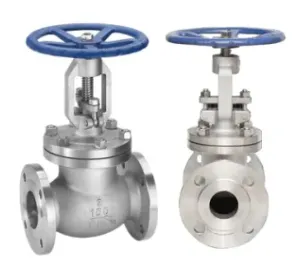
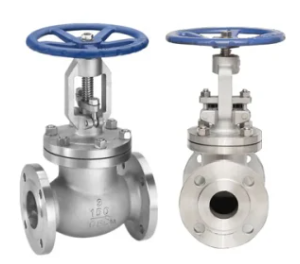
At low temperatures, carbon steel can become more prone to brittle fracture. The ductility of carbon steel decreases as the temperature drops, and if the valve is subjected to sudden pressure changes or mechanical shocks, it may crack. For our Carbon Steel Wcb Stainless Steel CF8 CF8m Flanged End Globe Valve, proper insulation and protection are often required in cold environments to prevent these issues.
At high temperatures, carbon steel may undergo creep. Creep is the slow deformation of a material under a constant load and high temperature. This can cause the valve components to gradually change shape, leading to leakage and reduced valve performance over time.
Stainless Steel
Stainless steel is known for its corrosion resistance and good mechanical properties at a wide range of temperatures. It contains chromium, which forms a protective oxide layer on the surface, preventing corrosion.
In low - temperature applications, stainless steel maintains its ductility better than carbon steel and cast iron. This makes it a suitable choice for cryogenic applications where the valve needs to operate in extremely cold conditions.
At high temperatures, stainless steel can retain its strength and corrosion resistance. However, in some cases, if the temperature is too high and there are certain impurities in the environment, the protective oxide layer may be damaged, leading to corrosion.
2. Sealing Performance and Temperature
The sealing performance of a globe valve is crucial for its proper operation. Temperature changes can have a significant impact on the sealing elements of the valve.
Seat and Disc Sealing
The seat and disc of a globe valve form the primary sealing surface. As the temperature changes, the materials of the seat and disc expand or contract. If the expansion or contraction rates of the seat and disc materials are different, it can lead to a mismatch in the sealing surfaces.
For example, in a high - temperature application, if the disc material expands more than the seat material, it may cause excessive stress on the seat, leading to deformation or damage. This can result in leakage of the valve. Conversely, at low temperatures, the contraction of the materials may cause gaps between the seat and disc, also leading to poor sealing.
Stem Sealing
The stem of a globe valve is another critical sealing point. The stem packing is used to prevent leakage along the stem. Temperature changes can affect the performance of the stem packing.
At high temperatures, the packing material may lose its elasticity and become brittle. This can lead to increased friction between the stem and the packing, making it difficult to operate the valve. In addition, the loss of elasticity can cause the packing to lose its sealing ability, resulting in leakage.
At low temperatures, the packing material may harden, which can also affect its sealing performance. The hardened packing may not be able to conform to the shape of the stem properly, leading to gaps and leakage.
3. Actuation and Temperature
Globe valves can be actuated manually or by various types of actuators, such as electric, pneumatic, or hydraulic actuators. Temperature changes can affect the performance of both manual and powered actuation systems.
Manual Actuation
In manual globe valves, such as the American Standard Manual Globe Valve, temperature changes can affect the ease of operation. At low temperatures, the lubricants used in the valve stem and other moving parts may thicken or solidify. This increases the friction between the parts, making it more difficult to turn the handwheel.
At high temperatures, the lubricants may break down or evaporate. This can also lead to increased friction and wear of the moving parts, reducing the lifespan of the valve and making it harder to operate.
Powered Actuation
For electric, pneumatic, or hydraulic actuators, temperature changes can have a more complex impact.
In electric actuators, high temperatures can cause the motor windings to overheat, reducing the efficiency of the motor and potentially leading to motor failure. Low temperatures can affect the performance of the electrical components, such as sensors and control circuits, by changing their electrical properties.
Pneumatic actuators rely on compressed air to operate. At low temperatures, the moisture in the compressed air may freeze, blocking the air passages and preventing the actuator from working properly. At high temperatures, the air may expand, affecting the pressure control in the actuator.
Hydraulic actuators use hydraulic fluid to transfer power. Temperature changes can affect the viscosity of the hydraulic fluid. At low temperatures, the fluid becomes more viscous, increasing the resistance in the hydraulic system and reducing the actuator's response speed. At high temperatures, the fluid may become too thin, leading to leakage and reduced actuator performance.
4. Expansion and Contraction of Pipeline Systems
Globe valves are usually installed in pipeline systems. Temperature changes in the pipeline can cause the pipeline to expand or contract. This can put additional stress on the globe valve.
If the pipeline expands due to high temperatures, it can push against the valve body, causing deformation or misalignment. This can affect the valve's internal components and sealing performance. Similarly, when the pipeline contracts at low temperatures, it can pull on the valve, potentially causing damage to the valve - pipeline connection.
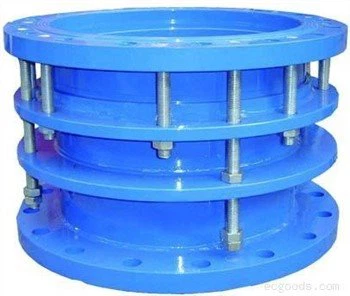
To mitigate these effects, expansion joints are often installed in the pipeline system near the globe valve. These expansion joints can absorb the thermal expansion and contraction of the pipeline, reducing the stress on the valve.
5. Mitigating the Effects of Temperature Changes
As a globe valve supplier, we take several measures to ensure that our valves can withstand temperature changes.
Material Selection
We carefully select the materials for our valves based on the expected temperature range of the application. For high - temperature applications, we may choose stainless steel or special high - temperature alloys. For low - temperature applications, materials with good low - temperature ductility, such as stainless steel, are preferred.
Design Optimization
Our valve designs take into account the thermal expansion and contraction of the materials. We use proper tolerances and clearances in the valve components to accommodate the dimensional changes caused by temperature.
Sealing Improvement
We use high - quality sealing materials that can maintain their performance at different temperatures. For example, we may use special packing materials for the stem that have good elasticity and resistance to high and low temperatures.
Insulation and Heating
In some cases, we recommend insulation or heating systems for the valves. Insulation can help maintain a more stable temperature around the valve, reducing the impact of external temperature changes. Heating systems can be used in cold environments to prevent freezing and ensure proper valve operation.
In conclusion, temperature changes can have a wide - ranging impact on the performance, sealing, actuation, and lifespan of globe valves. As a professional globe valve supplier, we are dedicated to providing products that can handle these challenges. If you are in need of globe valves for your specific temperature - related applications, we invite you to contact us for further discussions and procurement negotiations. We have a team of experts who can provide you with the best solutions based on your requirements.
References
- ASME Boiler and Pressure Vessel Code
- API Standards for Valves
- Manufacturer's Technical Documentation for Globe Valves