What is the fatigue life of a Cast Iron Y Strainer?
As a supplier of Cast Iron Y Strainers, I often get asked about the fatigue life of these essential industrial components. Understanding the fatigue life of a Cast Iron Y Strainer is crucial for ensuring its reliable and efficient operation in various applications. In this blog post, I will delve into the concept of fatigue life, the factors that affect it, and how we can optimize the performance of Cast Iron Y Strainers.
Understanding Fatigue Life
Fatigue life refers to the number of cycles a component can withstand before it fails due to fatigue. Fatigue failure occurs when a material is subjected to repeated loading and unloading, causing microscopic cracks to form and propagate over time. These cracks can eventually lead to the complete failure of the component, which can have serious consequences in industrial settings.
In the case of Cast Iron Y Strainers, fatigue failure can occur due to a variety of factors, including pressure fluctuations, vibration, and thermal cycling. When a strainer is installed in a pipeline, it is constantly exposed to the flow of fluid, which can cause pressure variations and vibrations. These dynamic loads can put stress on the strainer, leading to the initiation and growth of cracks.
Factors Affecting the Fatigue Life of Cast Iron Y Strainers
Several factors can influence the fatigue life of Cast Iron Y Strainers. Understanding these factors is essential for predicting the performance of the strainers and taking appropriate measures to extend their lifespan.
- Material Properties: The quality and properties of the cast iron used in the strainer play a significant role in its fatigue life. Cast iron is a brittle material, which means it is more susceptible to cracking under stress compared to ductile materials. However, the specific composition and microstructure of the cast iron can affect its fatigue resistance. For example, ductile iron, which has a higher graphite content and a more ductile microstructure, generally has better fatigue properties than gray cast iron.
- Design and Geometry: The design and geometry of the Cast Iron Y Strainer can also impact its fatigue life. A well-designed strainer with smooth transitions, proper fillets, and adequate wall thickness can distribute stress more evenly and reduce the likelihood of stress concentrations. On the other hand, a poorly designed strainer with sharp corners or thin walls may be more prone to fatigue failure.
- Operating Conditions: The operating conditions under which the strainer is used can have a significant impact on its fatigue life. Factors such as pressure, temperature, flow rate, and fluid composition can all affect the stress levels and corrosion resistance of the strainer. For example, high-pressure applications can increase the stress on the strainer, while corrosive fluids can accelerate the degradation of the material.
- Installation and Maintenance: Proper installation and maintenance are essential for ensuring the long-term performance of Cast Iron Y Strainers. Incorrect installation, such as improper alignment or over-tightening of bolts, can introduce additional stress on the strainer and reduce its fatigue life. Regular maintenance, including inspection, cleaning, and replacement of worn parts, can help identify and address potential issues before they lead to failure.
Optimizing the Fatigue Life of Cast Iron Y Strainers
As a supplier, we are committed to providing high-quality Cast Iron Y Strainers with long fatigue lives. To achieve this, we take several steps to optimize the design, manufacturing, and performance of our strainers.
- Material Selection: We carefully select the cast iron material based on the specific requirements of the application. For applications where high fatigue resistance is required, we may recommend using ductile iron instead of gray cast iron. Ductile iron has better mechanical properties, including higher tensile strength and ductility, which can improve the fatigue life of the strainer.
- Design Optimization: Our engineering team uses advanced design tools and techniques to optimize the geometry of the Cast Iron Y Strainer. We pay close attention to details such as wall thickness, fillet radius, and flow path design to ensure that the strainer can withstand the expected loads and stresses. By minimizing stress concentrations and improving the flow distribution, we can reduce the risk of fatigue failure.
- Quality Control: We have a rigorous quality control system in place to ensure that every Cast Iron Y Strainer we produce meets the highest standards of quality and performance. Our manufacturing process includes strict inspection and testing procedures at every stage, from raw material inspection to final product testing. We use non-destructive testing methods, such as ultrasonic testing and magnetic particle inspection, to detect any potential defects or cracks in the strainer.
- Application-Specific Solutions: We understand that every application is unique, and the fatigue life requirements of Cast Iron Y Strainers can vary depending on the specific operating conditions. That's why we offer customized solutions to meet the specific needs of our customers. Our technical team works closely with customers to understand their requirements and recommend the most suitable strainer design and material for their application.
Our Product Range
In addition to our standard Cast Iron Y Strainers, we also offer a wide range of other strainer products to meet the diverse needs of our customers. Some of our popular products include:

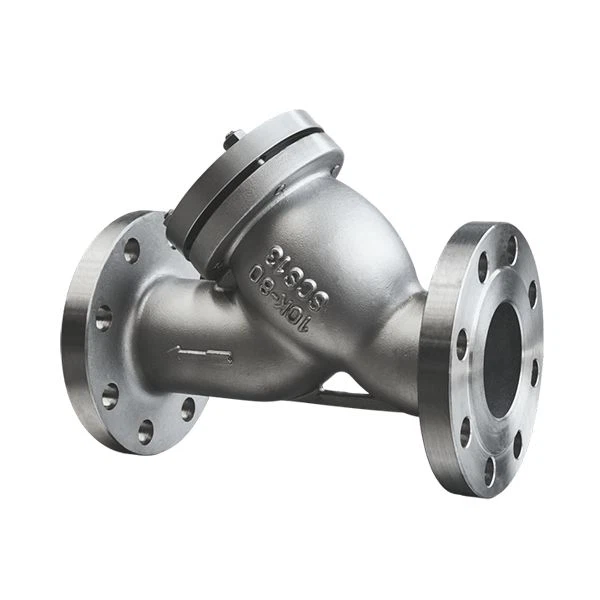
- Ductile Iron Y Type Strainer Double Flange Water DIN/JIS/ASME/ASTM/GB: This strainer is made of ductile iron, which has excellent mechanical properties and corrosion resistance. It is suitable for use in various water applications, including industrial water supply, irrigation, and fire protection systems.
- SS316 Screen Y Strainer SS316: This strainer features a stainless steel 316 screen, which provides high filtration efficiency and corrosion resistance. It is ideal for use in applications where the fluid contains small particles or contaminants, such as chemical processing, food and beverage, and pharmaceutical industries.
- PN10 Y-type Filter: This filter is designed for use in low-pressure applications, with a maximum working pressure of PN10. It is a cost-effective solution for filtering fluids in small to medium-sized pipelines.
Contact Us for Purchasing
If you are interested in purchasing Cast Iron Y Strainers or any of our other strainer products, please feel free to contact us. Our sales team is ready to assist you with your inquiries and provide you with detailed product information and pricing. We are committed to providing our customers with the best quality products and services, and we look forward to working with you.
References
- ASME Boiler and Pressure Vessel Code, Section VIII, Division 1: Rules for Construction of Pressure Vessels
- ASTM A536/A536M - 18 Standard Specification for Ductile Iron Castings
- ISO 9001:2015 Quality Management Systems - Requirements