A flat gate valve is a crucial component in various industrial applications, known for its reliable shut - off capabilities and durability. In this blog, we'll delve into the gate design of a flat gate valve, exploring its features, advantages, and the different types available. As a flat gate valve supplier, we have in - depth knowledge of these valves and their design intricacies.
The Basics of Flat Gate Valve Design
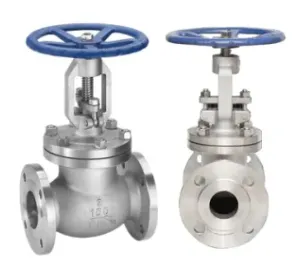
The gate is the core element of a flat gate valve. It is a flat, rectangular or square - shaped plate that moves perpendicular to the flow direction of the fluid. When the valve is open, the gate retracts fully into the valve bonnet, allowing an unobstructed flow path. This design minimizes pressure drop across the valve, making it suitable for applications where a full - bore flow is required.
The gate is typically made from high - quality materials such as stainless steel, carbon steel, or alloy steel, depending on the application requirements. These materials offer excellent strength, corrosion resistance, and wear resistance, ensuring a long service life of the valve.
Key Features of the Gate Design
- Full - Port Design: One of the most significant features of a flat gate valve's gate design is its full - port or full - bore configuration. This means that the internal diameter of the valve when open is the same as the pipe diameter. As a result, there is minimal flow restriction, reducing energy consumption and preventing the build - up of debris in the valve. For industries such as oil and gas, chemical processing, and water treatment, this full - port design is essential for efficient operation.
- Parallel Sealing Surfaces: The gate of a flat gate valve has parallel sealing surfaces. These surfaces come into contact with the valve seats when the valve is closed, creating a tight seal. The parallel design ensures uniform pressure distribution across the sealing surfaces, enhancing the sealing performance and preventing leakage. This is particularly important in applications where zero leakage is critical, such as in high - pressure and high - temperature systems.
- Rising and Non - Rising Stem Options: The gate can be operated using either a rising stem or a non - rising stem mechanism. In a rising stem flat gate valve, the stem rises as the valve is opened, providing a visual indication of the valve position. This is useful in applications where operators need to quickly determine whether the valve is open or closed. On the other hand, a non - rising stem flat gate valve has a stem that rotates but does not rise. This design is more suitable for applications with limited vertical space.
Different Types of Flat Gate Valves Based on Gate Design
- Solid Wedge Gate Valves: In a solid wedge gate valve, the gate is a single, solid piece. This type of gate design is simple and robust, making it suitable for general - purpose applications. Solid wedge gate valves are commonly used in water supply systems, sewage treatment plants, and low - pressure gas pipelines. They can handle a wide range of fluids, including clean water, wastewater, and natural gas.
- Split Wedge Gate Valves: Split wedge gate valves have a gate that is divided into two parts. This design allows the gate to adapt to minor irregularities in the valve seats, providing a better seal. Split wedge gate valves are often used in applications where the fluid contains some solids or where the valve may be subject to thermal expansion and contraction. For example, they are commonly used in steam systems and some chemical processing applications.
Applications of Flat Gate Valves with Their Gate Design Advantages
- Oil and Gas Industry: In the oil and gas industry, flat gate valves are widely used in pipelines, refineries, and offshore platforms. The full - port design of the gate allows for the efficient transportation of crude oil, natural gas, and refined products. The parallel sealing surfaces ensure a tight seal, preventing leakage of these valuable and potentially hazardous fluids. For instance, in a long - distance oil pipeline, flat gate valves with a reliable gate design are essential for isolating sections of the pipeline for maintenance or in case of an emergency.
- Chemical Processing: Chemical processing plants deal with a variety of corrosive and abrasive fluids. The high - quality materials used in the gate design of flat gate valves provide excellent corrosion and wear resistance. The full - bore flow path prevents the accumulation of chemicals in the valve, reducing the risk of blockages and ensuring continuous operation. For example, in a chemical plant producing acids or alkalis, flat gate valves can be used to control the flow of these aggressive chemicals.
- Water Treatment: Water treatment facilities require valves that can handle large volumes of water and provide reliable shut - off. The full - port design of flat gate valves allows for efficient water flow, while the tight sealing of the gate prevents leakage. These valves are used in intake and discharge pipelines, as well as in various treatment processes such as filtration and disinfection.
Our Product Range as a Flat Gate Valve Supplier
As a leading flat gate valve supplier, we offer a wide range of flat gate valves to meet the diverse needs of our customers. Our product portfolio includes:


- Manual Rising Stem Knife Gate Valves: These valves are designed for applications where the fluid contains solids or slurries. The knife - shaped gate can cut through the solids, ensuring smooth operation. The rising stem provides a clear indication of the valve position.
- Ductile Cast Iron DN50 - 200 Groove Type Rising Stem Wedge Gate Valve For Fire Fighting: Specifically designed for fire - fighting systems, these valves are made from ductile cast iron, offering high strength and corrosion resistance. The groove - type connection makes installation quick and easy, and the rising stem allows for easy operation and monitoring.
- American Standard Flanged Gate Valves: These valves comply with American standards and are suitable for a wide range of industrial applications. The flanged connection provides a secure and leak - free installation, and the gate design ensures reliable shut - off.
Why Choose Our Flat Gate Valves?
- Quality Assurance: We adhere to strict quality control measures throughout the manufacturing process. Our valves are tested to meet or exceed industry standards, ensuring high performance and reliability.
- Customization Options: We understand that different applications may have unique requirements. Therefore, we offer customization options for our flat gate valves, including different materials, sizes, and end connections.
- Technical Support: Our team of experienced engineers and technicians is available to provide technical support and assistance. Whether you need help with valve selection, installation, or maintenance, we are here to help.
Conclusion
The gate design of a flat gate valve is a critical factor in its performance and suitability for various applications. With features such as full - port design, parallel sealing surfaces, and different stem options, flat gate valves offer efficient flow control and reliable shut - off. As a flat gate valve supplier, we are committed to providing high - quality valves that meet the needs of our customers.
If you are in the market for flat gate valves, we invite you to contact us for more information and to discuss your specific requirements. Our team will be happy to assist you in finding the right valve for your application. We look forward to the opportunity to serve you and contribute to the success of your projects.
References
- ASME B16.34 - Valves - Flanged, Threaded, and Welded End.
- API 600 - Steel Gate, Globe, and Check Valves.
- ISO 5208 - Industrial valves - Pressure testing of valves.