Fluid systems are integral to a wide range of industrial and commercial applications, from water treatment plants to chemical processing facilities. In these systems, filters play a crucial role in maintaining the quality and integrity of the fluid by removing contaminants. One such commonly used filter is the PN16 Y Type Filter. As a supplier of PN16 Y Type Filter, I have witnessed firsthand the significance of understanding how contaminants in the fluid can impact the lifespan of these filters.
Understanding the PN16 Y Type Filter
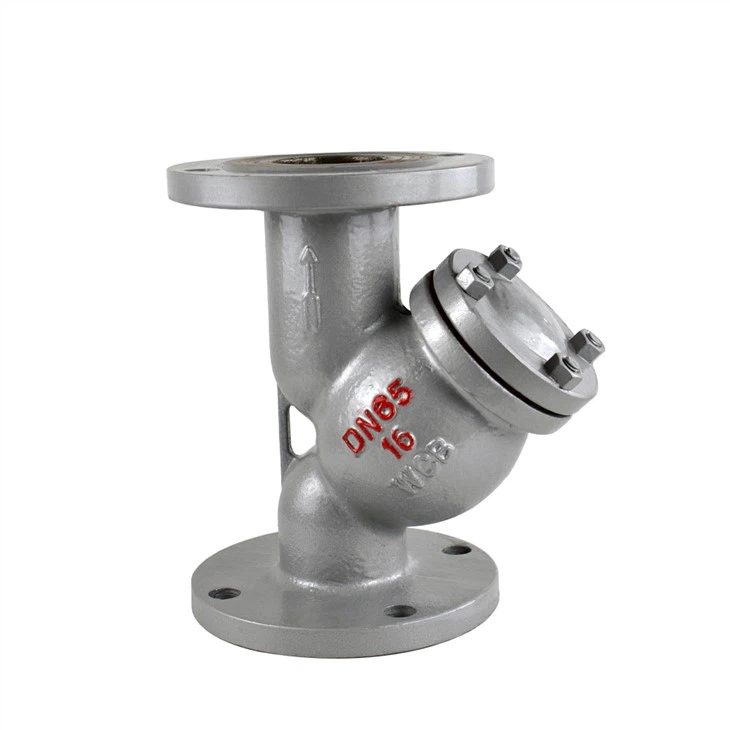
Before delving into the impact of contaminants, it's essential to understand what a PN16 Y Type Filter is. The PN16 designation refers to the pressure rating of the filter, indicating that it is designed to withstand a maximum pressure of 16 bar. The Y-type design is characterized by its shape, which resembles the letter "Y." This design allows for efficient filtration as the fluid enters the filter, flows through the screen, and then exits, with the contaminants being trapped on the screen.
The PN16 Y Type Filter is typically made of high - quality materials such as ductile cast iron. For example, our Ductile Cast Iron Y Type Filter Valve Y Type Flange Water Strainer offers excellent durability and corrosion resistance, making it suitable for a variety of fluid applications, including water, oil, and gas.
Types of Contaminants in Fluids
Contaminants in fluids can be broadly classified into three categories: solid, liquid, and gaseous.
Solid Contaminants
Solid contaminants are perhaps the most common type and can include particles such as sand, rust, scale, and debris. These particles can vary in size, from large chunks that are visible to the naked eye to microscopic particles. In industrial fluid systems, solid contaminants can enter the system through various sources, such as pipeline corrosion, wear and tear of equipment, or environmental factors.
Liquid Contaminants
Liquid contaminants can be immiscible liquids, such as oil in water or water in oil, or they can be dissolved substances. For example, in a chemical processing plant, there may be traces of other chemicals in the fluid that act as contaminants. These liquid contaminants can affect the performance of the filter by clogging the pores of the filter screen or causing chemical reactions that damage the filter material.
Gaseous Contaminants
Gaseous contaminants, such as air bubbles or dissolved gases, can also be present in fluids. In some cases, these gases can cause cavitation, which is the formation and collapse of vapor bubbles in the fluid. Cavitation can lead to erosion of the filter screen and other components of the filter, reducing its lifespan.
Impact of Contaminants on the Lifespan of PN16 Y Type Filter
Clogging
One of the most significant impacts of solid contaminants on the PN16 Y Type Filter is clogging. As the fluid flows through the filter, solid particles are trapped on the screen. Over time, these particles accumulate, reducing the flow area of the screen. As the clogging progresses, the pressure drop across the filter increases, which can lead to several problems.
A high pressure drop can cause the filter to operate inefficiently, as more energy is required to push the fluid through the clogged filter. In extreme cases, the high pressure can cause damage to the filter housing or other components of the fluid system. Additionally, a clogged filter may not be able to effectively remove all the contaminants from the fluid, leading to a decrease in the quality of the filtered fluid.
Erosion
Both solid and gaseous contaminants can cause erosion of the filter screen. Solid particles flowing at high velocities can act like abrasives, wearing away the surface of the screen. Gaseous contaminants, especially in the case of cavitation, can cause rapid erosion of the screen material. Erosion weakens the filter screen, making it more prone to rupture. Once the screen ruptures, contaminants can pass through the filter, rendering it ineffective and potentially causing damage to downstream equipment.
Chemical Corrosion
Liquid contaminants, particularly those with corrosive properties, can cause chemical corrosion of the filter material. For example, if the fluid contains acids or alkalis, these substances can react with the metal of the filter, leading to the formation of rust or other corrosion products. Corrosion not only weakens the structural integrity of the filter but also reduces its filtration efficiency. As the corrosion progresses, the pores of the filter screen may enlarge, allowing smaller contaminants to pass through.

Biological Growth
In some fluid systems, especially those involving water, biological contaminants such as bacteria, algae, and fungi can grow on the filter screen. This biological growth can form a biofilm, which can clog the filter and reduce its effectiveness. Additionally, the metabolic by - products of these organisms can be corrosive, further damaging the filter material.
Mitigating the Impact of Contaminants
Pre - Filtration
One way to extend the lifespan of the PN16 Y Type Filter is to use pre - filtration. Pre - filters are installed upstream of the main filter and are designed to remove larger contaminants before they reach the PN16 Y Type Filter. This reduces the load on the main filter and extends its service life.
Regular Maintenance
Regular maintenance is crucial for ensuring the long - term performance of the filter. This includes periodic inspection of the filter screen for signs of clogging, erosion, or corrosion. If the screen is clogged, it should be cleaned or replaced. Additionally, the filter housing should be inspected for any signs of damage or leaks.
Fluid Conditioning
Fluid conditioning involves treating the fluid to reduce the concentration of contaminants. This can include processes such as chemical treatment to remove dissolved substances, degassing to remove gaseous contaminants, or water treatment to control biological growth.
Conclusion
As a supplier of PN16 Y Type Filter, I understand the importance of providing high - quality filters that can withstand the challenges posed by contaminants in fluids. Contaminants can have a significant impact on the lifespan of the filter, causing clogging, erosion, corrosion, and biological growth. However, by implementing proper mitigation strategies such as pre - filtration, regular maintenance, and fluid conditioning, the lifespan of the filter can be extended, ensuring the efficient and reliable operation of the fluid system.
If you are in need of a reliable PN16 Y Type Filter or other related products such as the PN10 Y - type Filter, I encourage you to reach out to discuss your specific requirements. We are committed to providing you with the best filtration solutions tailored to your needs.
References
- ASME B16.5: Pipe Flanges and Flanged Fittings
- API 618: Reciprocating Compressors for Petroleum, Chemical, and Gas Industry Services
- ISO 16889: Hydraulic fluid power - Filters - Multi - pass method for evaluating filtration performance